

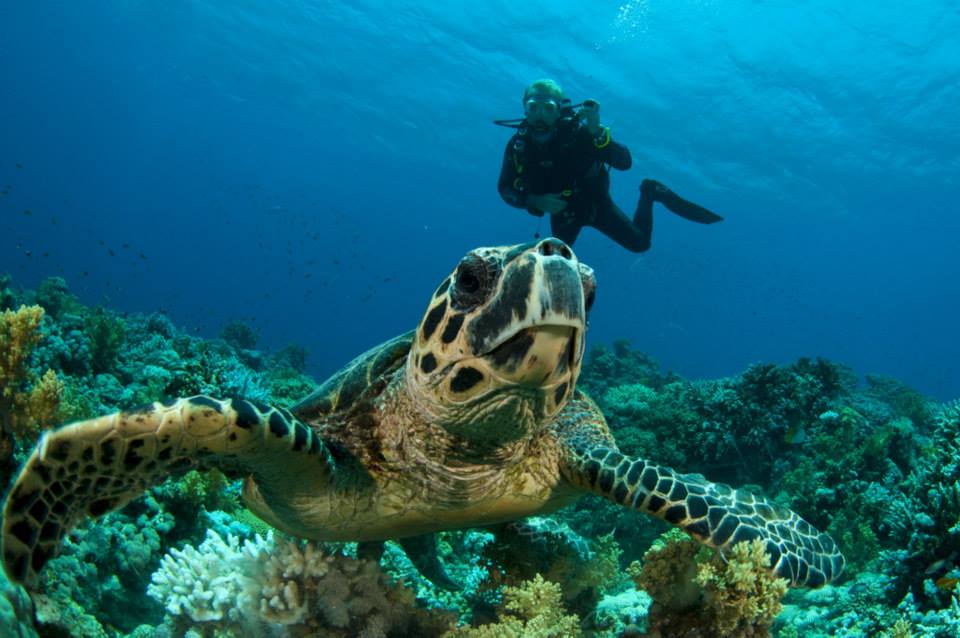
There are certain underwater encounters that never lose their magic. For many divers, sea turtles top the list.
Whether you’re on your tenth dive or your thousandth, there is something special about watching a sea turtle glide effortlessly across the reef. Calm, graceful, and seemingly unbothered by the world around them, sea turtles have a way of making every dive memorable.
It’s no surprise that turtle encounters are often among the highlights divers remember long after a trip ends.
Why Divers Love Sea Turtles
Sea turtles are not the fastest, rarest, or most aggressive marine animals—but they may be the most universally loved.
Incredible Photography Subjects
Their slow movement, expressive eyes, and strong silhouette make them ideal for underwater photography—from wide reef scenes to close-up portraits.
A Reminder of Why We Dive
Not every dive needs sharks or massive pelagics. Sometimes a single turtle cruising past a coral head is the moment that stays with you long after the dive ends.
Calm and Graceful Swimmers
Turtles move through the water with an effortless rhythm that makes them incredibly calming to watch. They glide rather than swim, rising and falling with the reef like they belong there.
Curious but Unbothered
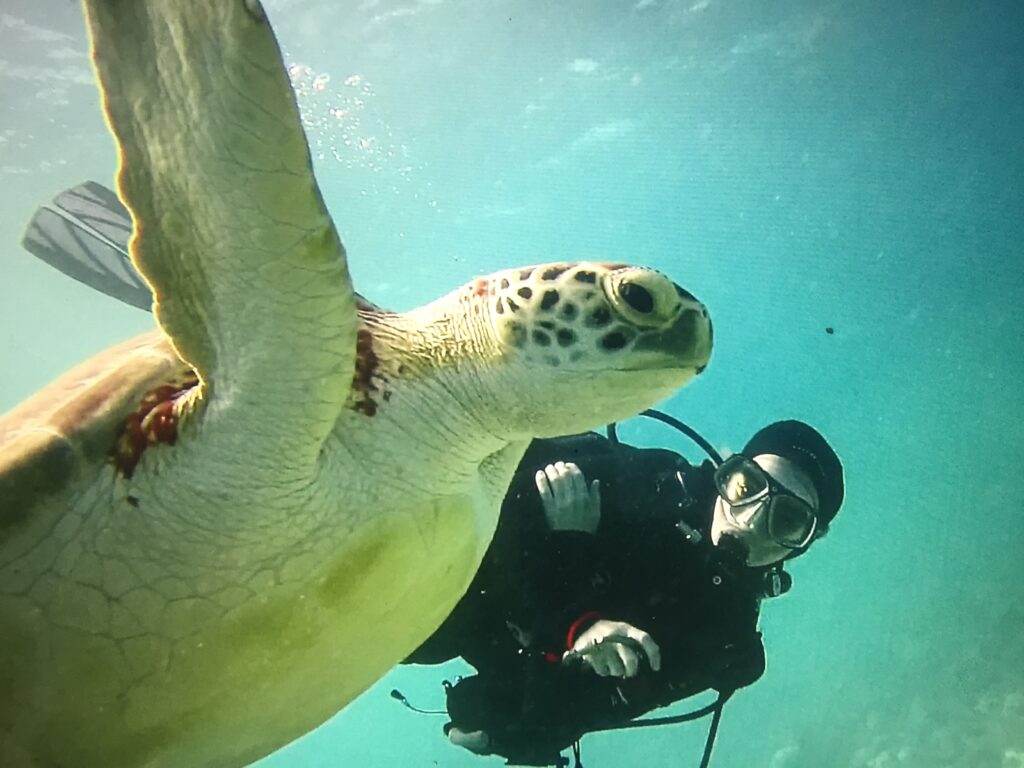
Some turtles ignore divers completely, while others seem curious enough to slowly circle back or hover nearby. Every encounter feels slightly different, which is part of the magic.
Meet Some of the Ocean’s Most Beloved Travelers
There are seven species of sea turtles in the world, but divers are most likely to encounter a few key species.
Green Sea Turtle
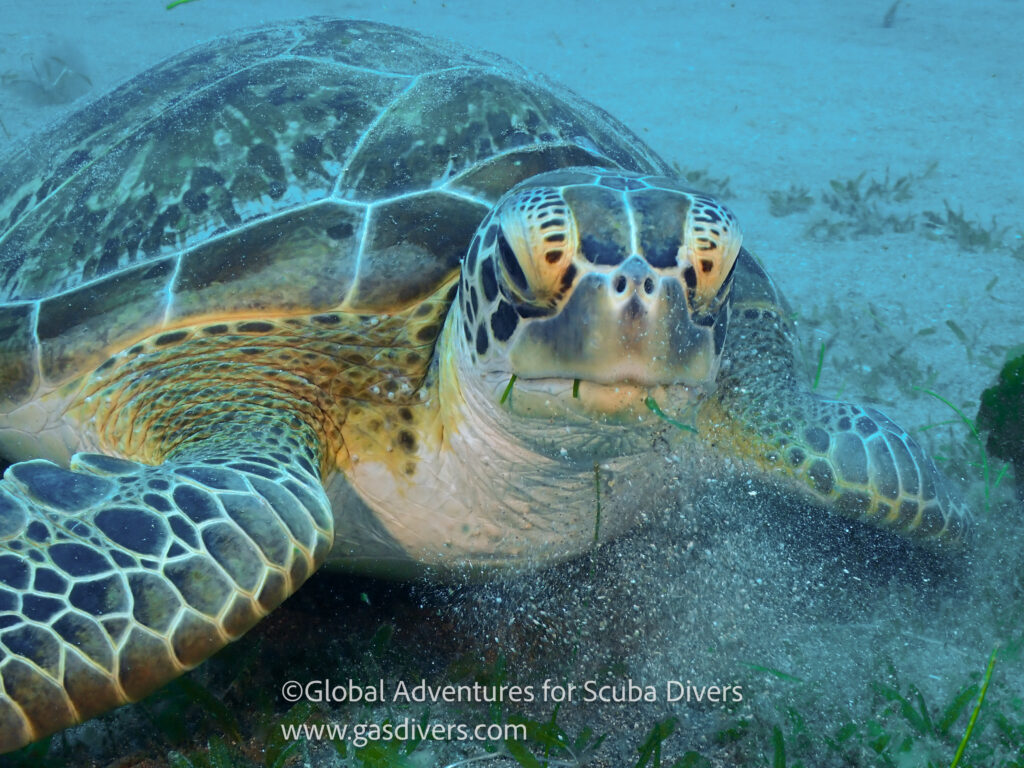
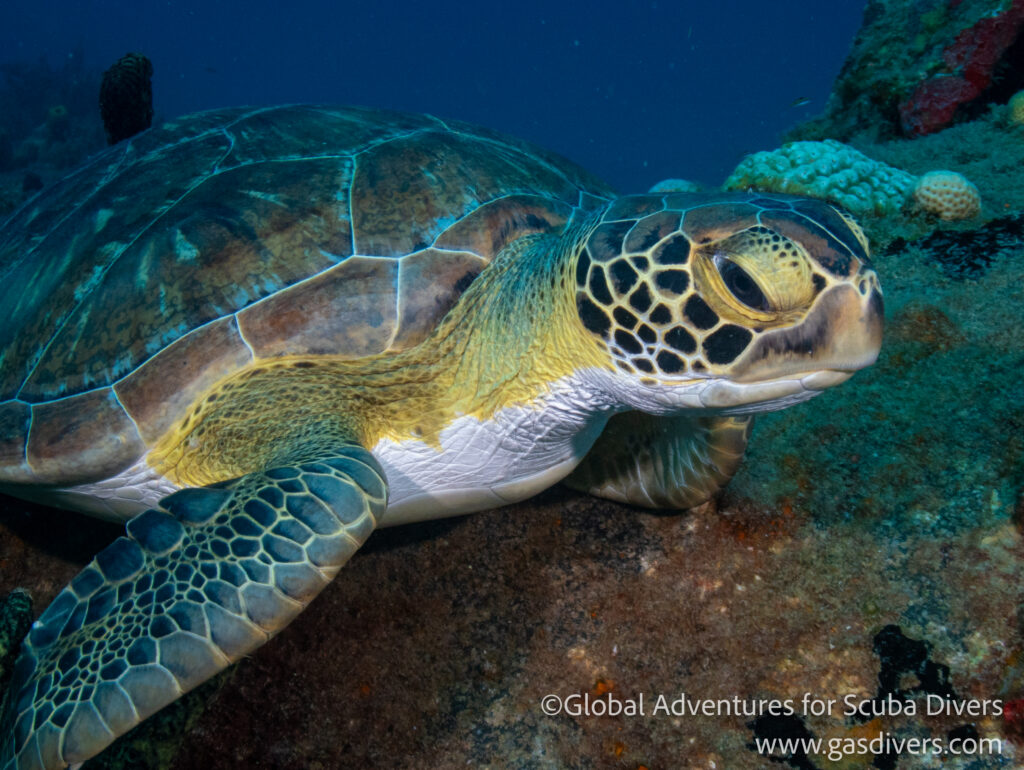
The most commonly seen species by divers. Green turtles are often found grazing on seagrass or resting on reefs. They are calm, predictable, and often very relaxed around divers.
Hawksbill Sea Turtle
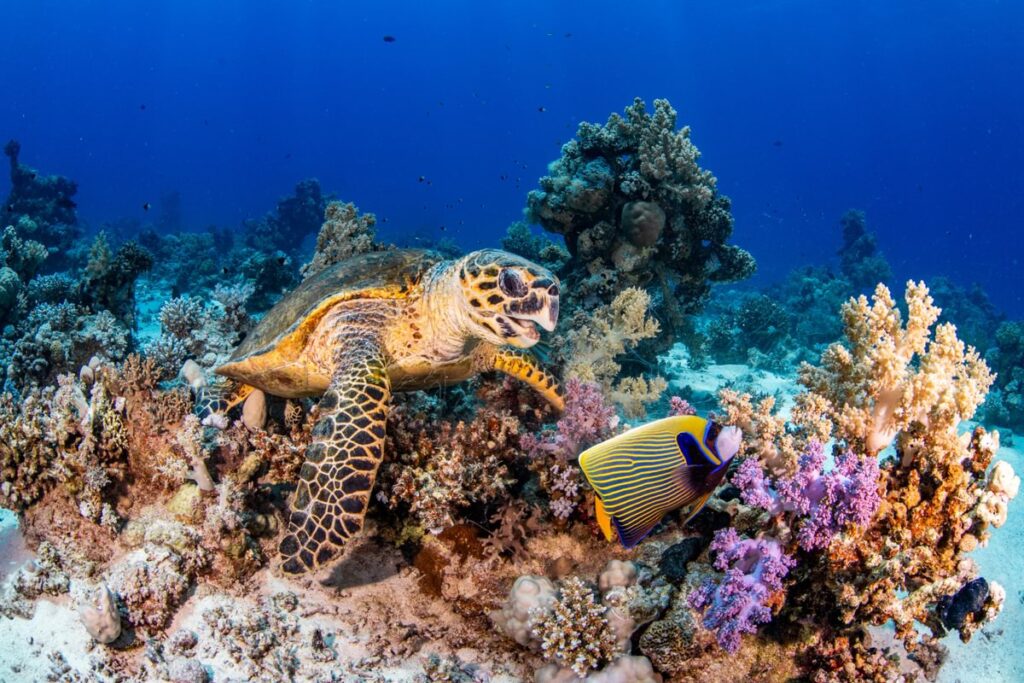
Known for their beautifully patterned shells and narrow beaks, hawksbills are true reef turtles. They play an important role in reef health by feeding on sponges.
Loggerhead Sea Turtle
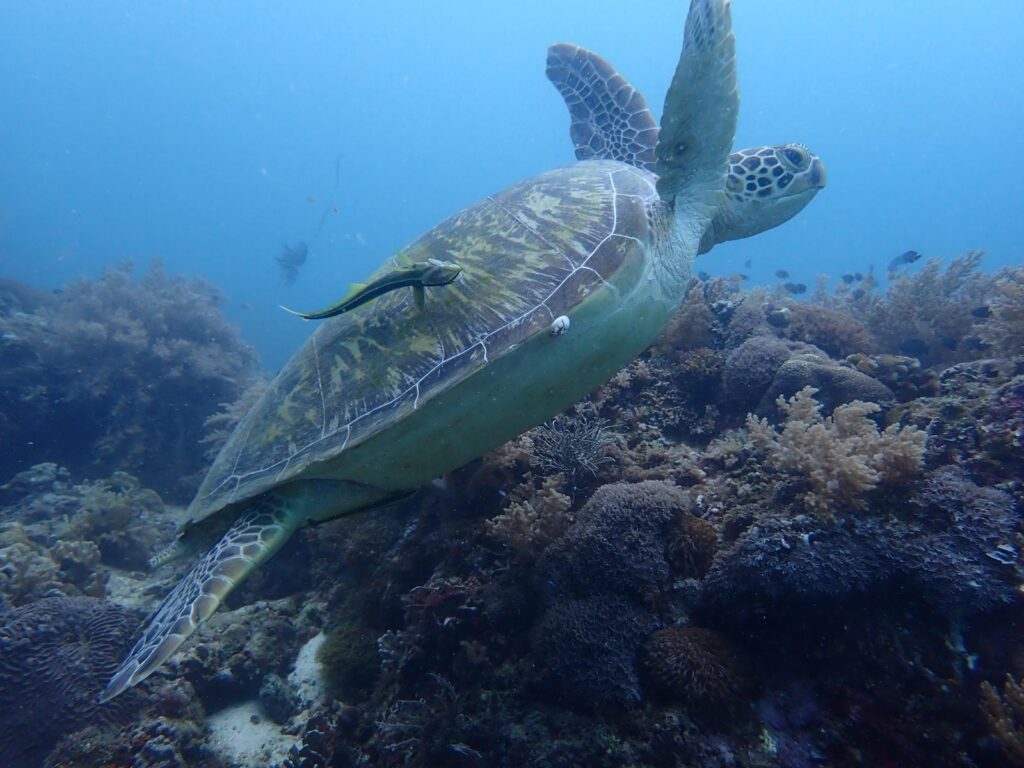
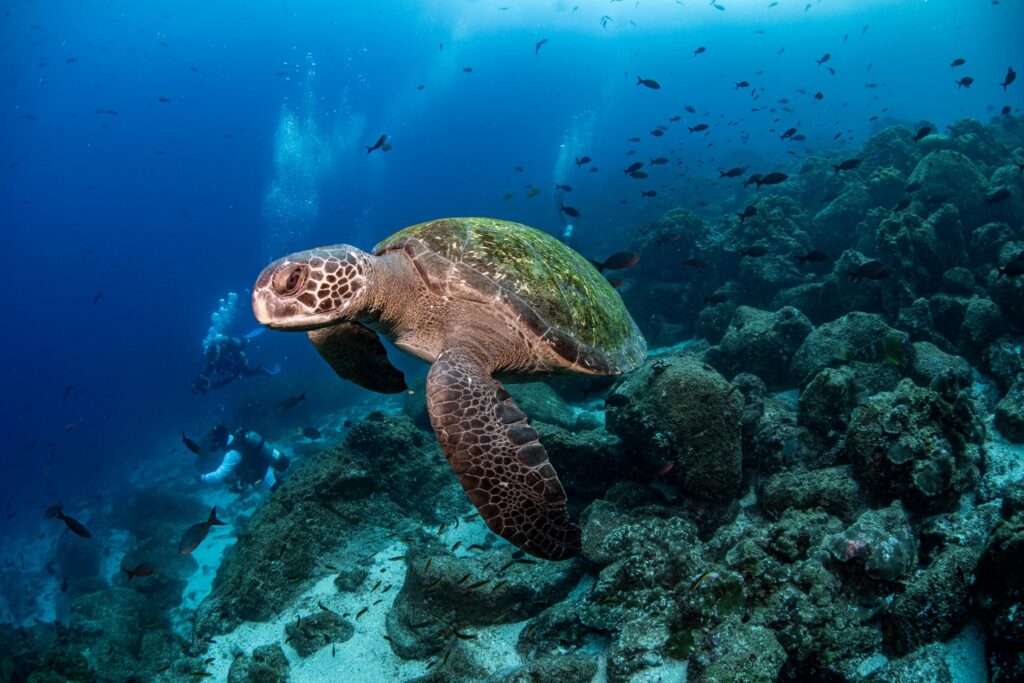
Bigger and more powerful than reef species, loggerheads are less commonly seen on typical dives but are found across tropical and subtropical oceans.
Honorable Mentions
Other remarkable species include:
Leatherback turtles — the largest sea turtles on Earth
Olive ridley turtles — famous for mass nesting events
Kemp’s ridley turtles — the rarest species
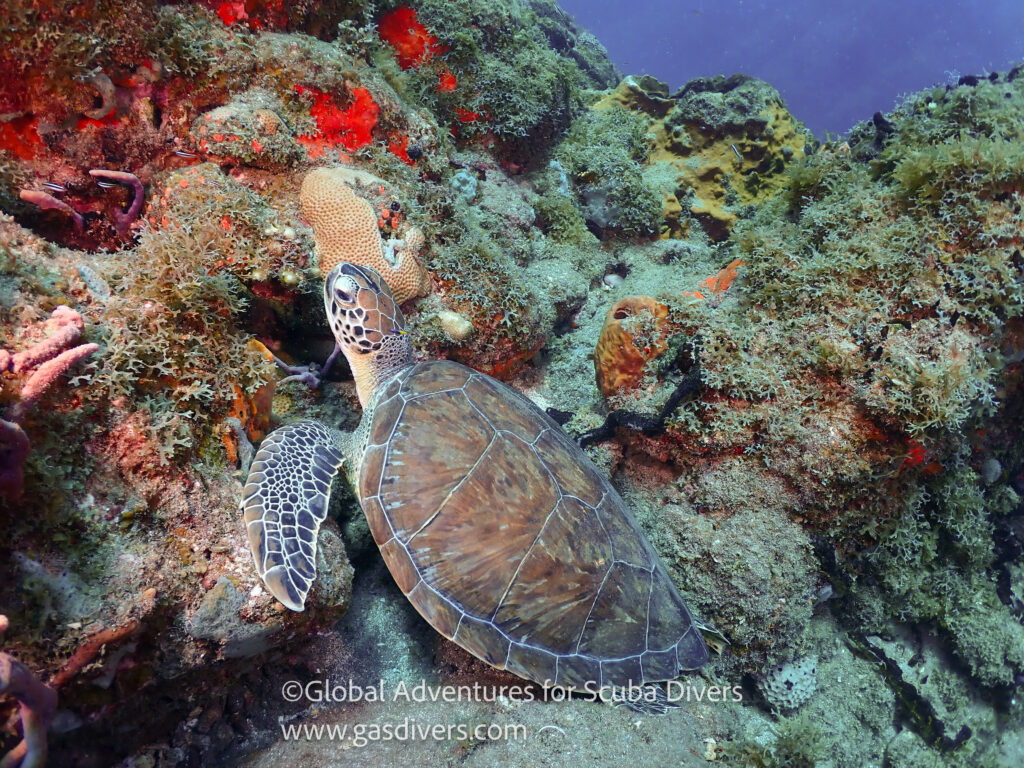
Some of Our Favorite Places to Encounter Sea Turtles
Hawaii
One of the most iconic places in the world to see green sea turtles resting along lava rock coastlines and cruising over reefs.
St. Lucia
Volcanic reef systems, healthy coral, and scenic diving make St. Lucia a great Caribbean destination for turtle sightings.
The Philippines
Part of the Coral Triangle, this region offers frequent turtle encounters, especially around healthy reef ecosystems like Apo Island.
Costa Rica
Known for nesting beaches and incredible biodiversity both above and below the surface.
A Tough Life From the Very Beginning
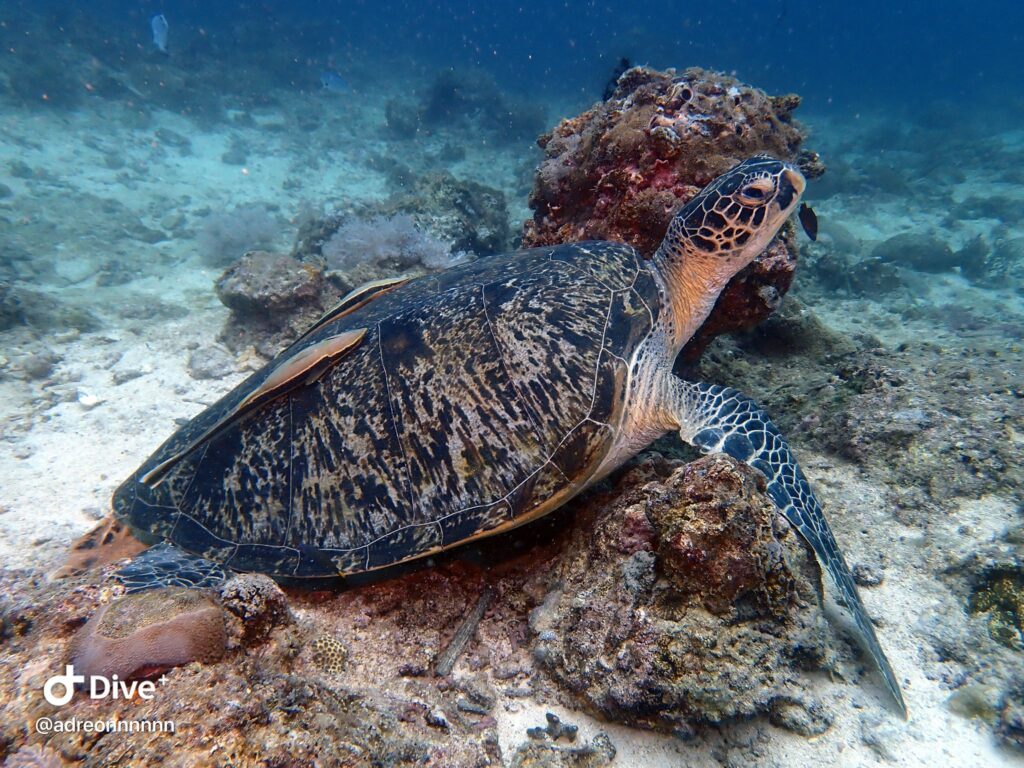
Life is challenging for a sea turtle from the moment the egg is laid.
Female sea turtles return to sandy beaches to nest, burying dozens—or sometimes more than a hundred—eggs beneath the sand. After several weeks, tiny hatchlings emerge and begin one of the most dangerous journeys in the animal kingdom.
From the moment they leave the nest, hatchlings face countless threats. Birds, crabs, fish, and other predators all take their toll, and only a small fraction survive long enough to reach adulthood. Scientists estimate that only 1 in 1,000 hatchlings will survive to adulthood.
Even then, survival is not guaranteed.
Storms, predators, and disease all pose ongoing risks—but today, human impacts have made survival even harder.
Plastic pollution, ghost nets, coastal development, boat strikes, and climate change all threaten sea turtle populations. Even rising sand temperatures can affect hatchling sex ratios, disrupting future generations.
And yet, sea turtles have survived for over 100 million years.
Every turtle we see on a dive represents an incredible journey—and a survivor against extraordinary odds.
Why Sea Turtles Are Important to Ocean Ecosystems
Sea turtles aren’t just one of the ocean’s most beloved animals—they also play an important role in keeping marine ecosystems healthy.
Each species contributes to the ocean in different ways.
Maintaining Healthy Seagrass Beds
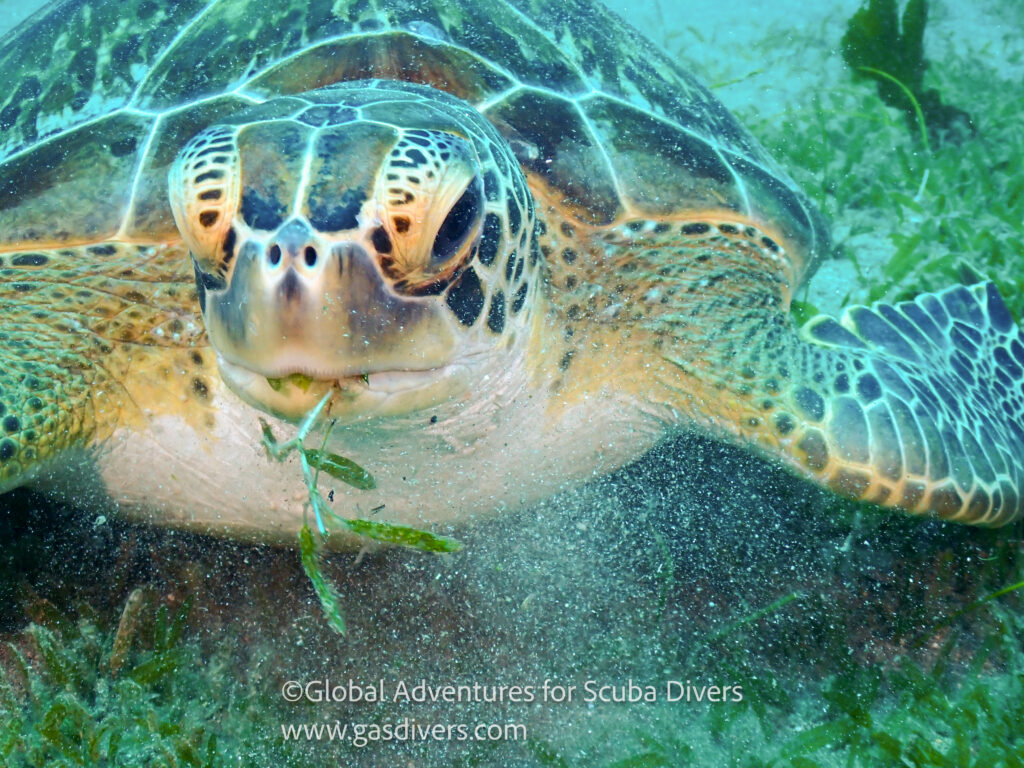
Green sea turtles graze on seagrass, trimming it much like a lawn. This helps prevent overgrowth and encourages new, healthier seagrass to grow. Healthy seagrass beds support fish nurseries and help store carbon in the ocean.
Supporting Coral Reef Balance
Hawksbill turtles feed on sponges that compete with corals for space on the reef. By keeping sponge populations in check, they help coral reefs stay balanced and healthy.
Transporting Nutrients Across the Ocean
Sea turtles travel thousands of miles during their lifetimes. Along the way, they move nutrients between feeding and nesting areas, helping connect different parts of the ocean ecosystem.
Supporting Beach Ecosystems
Even their nesting behavior plays a role. Eggs that don’t hatch—and hatchlings that don’t survive—provide nutrients for beach ecosystems, supporting insects, crabs, and shoreline vegetation.
Are Sea Turtles in Trouble?
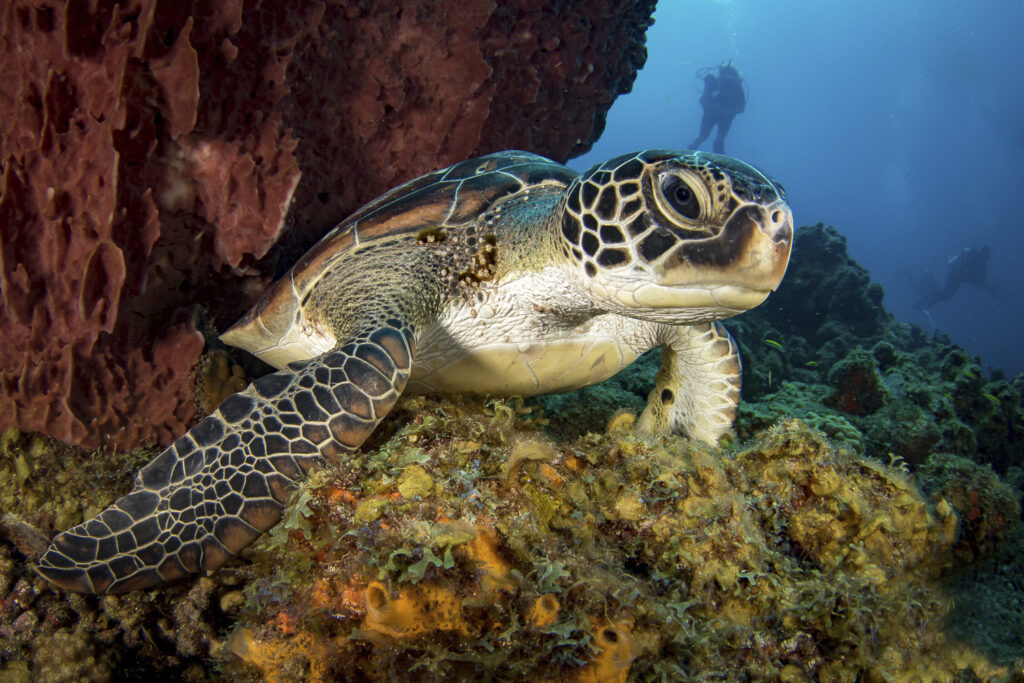
While sea turtles have survived for over 100 million years, many populations today are facing significant challenges.
In the modern ocean, they must navigate not only natural threats, but also increasing human impacts.
These include:
- Plastic pollution and marine debris
- Entanglement in fishing gear (ghost nets and lines)
- Coastal development reducing nesting beaches
- Boat strikes in busy coastal waters
- Climate change affecting nesting success and hatchling survival
Even small changes in sand temperature can influence hatchling development, showing just how sensitive their life cycle has become.
Why Sea Turtle Conservation Matters
Sea turtles have outlived dinosaurs, but they are now facing unprecedented pressure.
As divers and ocean lovers, we can help by:
- Avoiding contact with wildlife
- Reducing single-use plastics
- Supporting responsible dive operators
- Protecting nesting beaches
- Staying aware of ocean conservation efforts
Small choices add up—and help ensure future generations can experience the same magic underwater encounters we do today.
Final Thoughts
No matter how many dives you’ve logged, seeing a sea turtle never seems to lose its magic.
Whether it’s a hawksbill resting beneath a coral ledge in the Caribbean, a green turtle cruising over a reef in Hawaii, or an unexpected encounter in Indonesia, these moments stay with you long after the dive ends.
And if you’re anything like us… you’ll probably never get tired of seeing one.