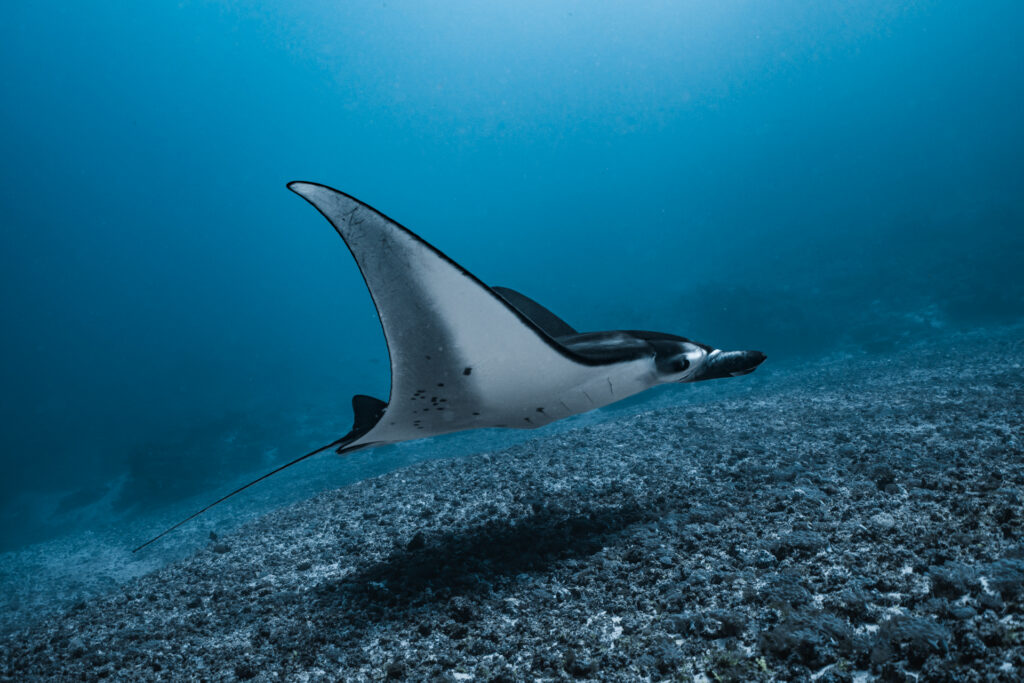

Komodo National Park is one of those places that seems almost too good to be real.
Above the water, there are ancient Komodo dragons, rugged volcanic islands, pink beaches, and dramatic viewpoints. Below the surface, Komodo diving is just as impressive—with healthy coral reefs, manta rays, sharks, eagle rays, turtles, dolphins, huge schools of fish, and an incredible amount of macro life.
We recently spent 10 days diving Komodo National Park aboard a liveaboard as a GAS Divers group, exploring some of the region’s most famous dive sites and discovering plenty of unexpected surprises along the way.
If you’re considering a trip to Komodo yourself, our Ultimate Guide to Diving Komodo National Park covers the practical side of planning a trip—including dive conditions, experience level, gear, seasons and some of the area’s standout dive sites.
A Quick Introduction to Komodo National Park
Located in eastern Indonesia, Komodo National Park sits within the Coral Triangle, one of the most biologically diverse marine regions on Earth.
The park is famous for its namesake residents—the Komodo dragons—but divers come here for a very different kind of wildlife.
The waters around the islands are influenced by powerful currents that bring nutrient-rich water through the region. Those currents help support incredibly productive marine ecosystems, which means there is a lot happening underwater.
And you really notice it.
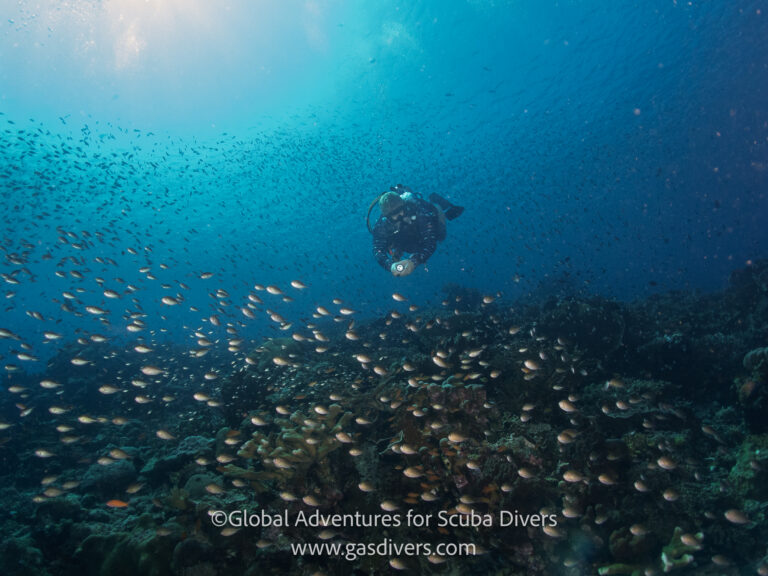
The reefs were one of the biggest highlights of our trip. We saw very healthy coral, huge schools of fish, turtles, sharks, eagle rays, dolphins, mantas, and an incredible amount of macro life.
Diving in Komodo National Park: Our Favorite Dive Sites
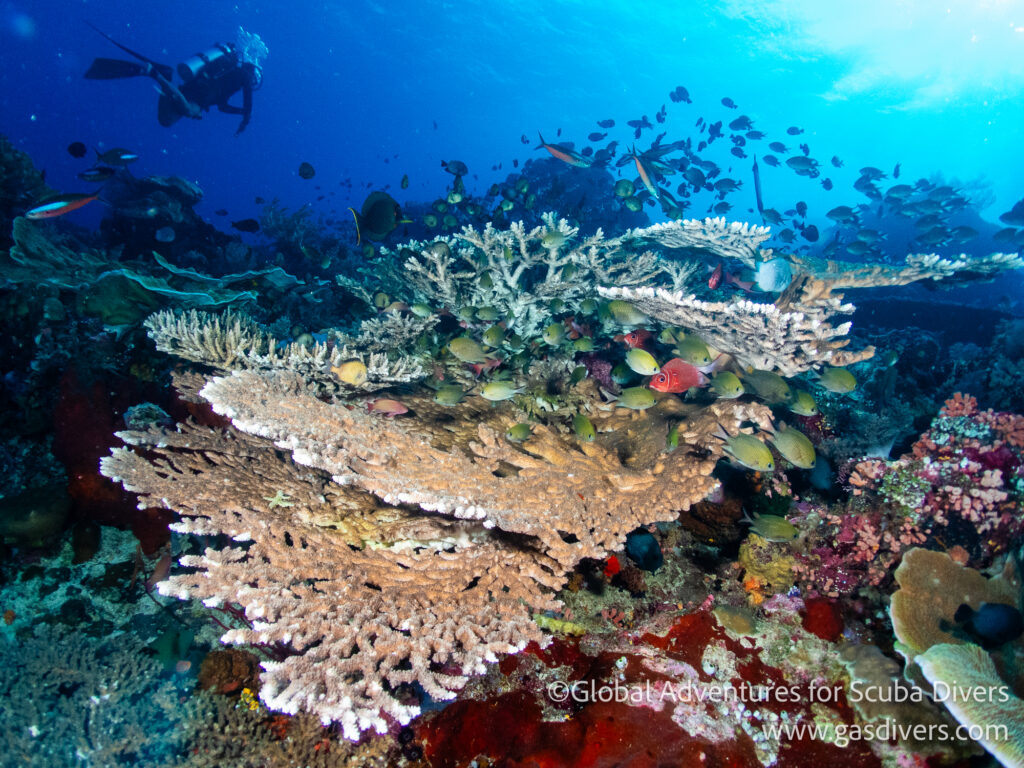
Honestly, it was hard to pick favorites because the diving was consistently good throughout the trip. Each site offered something a little different, and that’s part of what made ten days in Komodo so much fun.
A few sites did stand out:
Manta Alley
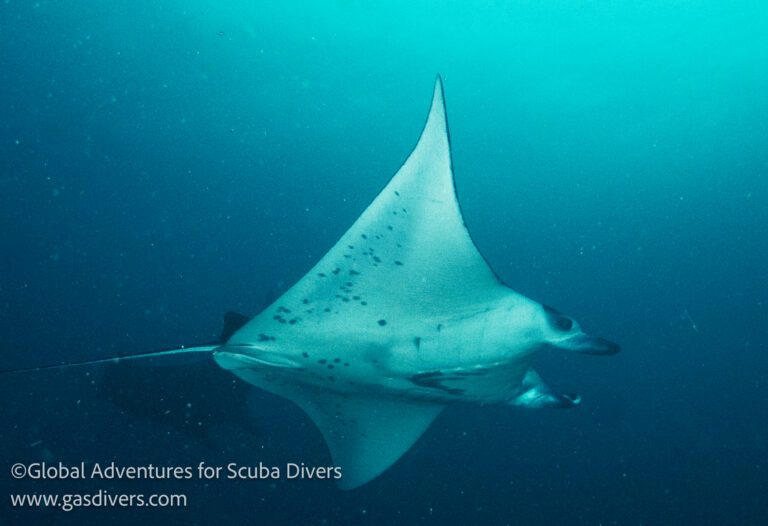
Manta Alley was an obvious highlight of the trip. We spent two days diving the area, and we were incredibly lucky to have so many manta encounters during our time there.
Being able to return for multiple dives gave us the chance to watch the mantas moving through the area, including feeding and what appeared to be courtship behavior. We even captured some of it on video.
Our trip also included a special connection to the Manta Trust, giving us the opportunity to learn more about manta research and conservation in Komodo. After spending so much time watching these animals, it was a great reminder that encounters like these depend on protecting the ecosystems they rely on.
Komodo Dive Site Highlights
Crystal Rock was another favorite. The pinnacle was an explosion of life, surrounded by schools of fusiliers and packed with activity.
Shotgun is famous for its dramatic currents, although our experience was much calmer than some of the wild videos you see online. That’s a good reminder that conditions can vary significantly from one dive to the next.
Karang Makassar was a great example of why you shouldn’t go into a dive expecting to see one particular animal. We didn’t see mantas there, but we did see eagle rays feeding, bamboo sharks, octopus, nudibranchs, turtles, and even a dolphin.
And then there was Mawan and Tatawa Besar, both of which delivered plenty of marine life without needing to be particularly deep or dramatic.
The takeaway? You really can’t go wrong with the diving in Komodo. The combination of healthy reefs, big animals, schooling fish, and macro life meant that even when we didn’t see what we expected, there was almost always something else waiting to surprise us.
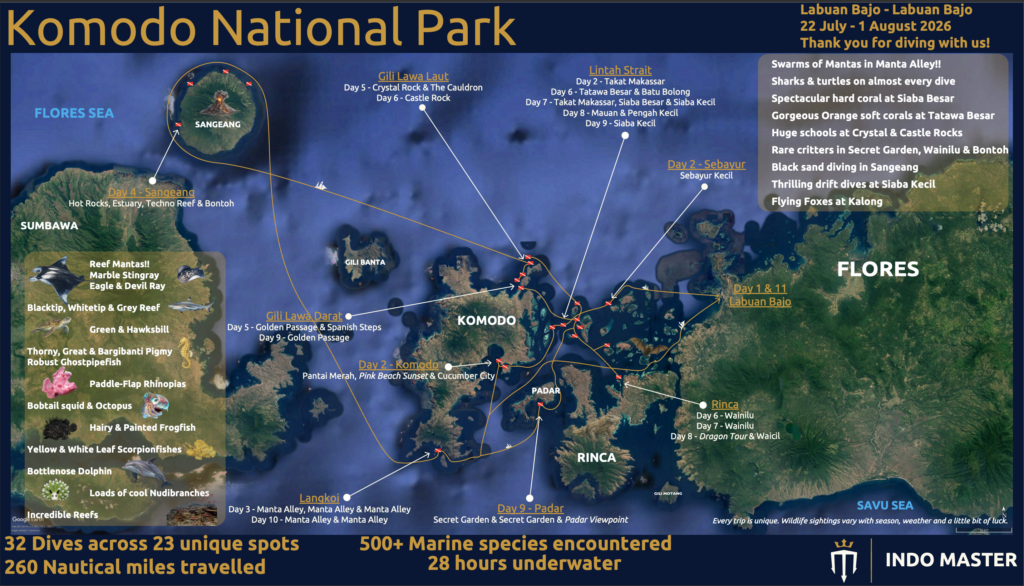
Our 10-Day Komodo Route
Over ten days, we traveled through a variety of areas within Komodo National Park, allowing us to experience a wide range of dive sites and above-water excursions.
From famous manta sites to black-sand macro dives and some of the park’s iconic islands, the route gave us a great taste of just how diverse Komodo can be.
Komodo Marine Life: Healthy Reefs, Mantas & More
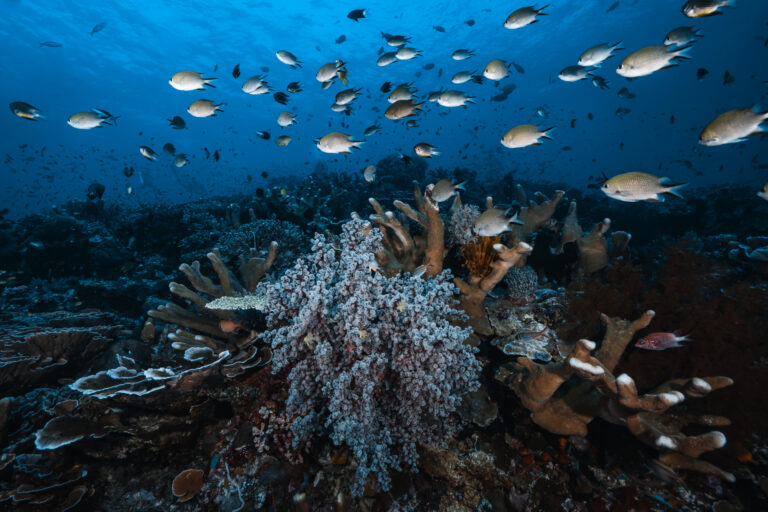
One of the biggest surprises of our trip wasn’t a specific animal—it was the reefs themselves.
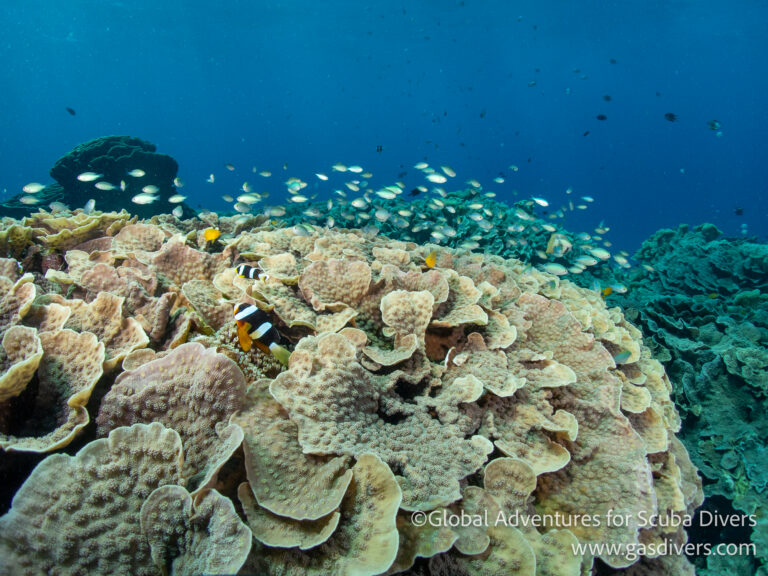
We expected to see manta rays, sharks, and plenty of fish, but what really impressed us was just how healthy the coral was. Dive after dive, we explored vibrant reefs teeming with life.
And the variety was incredible.
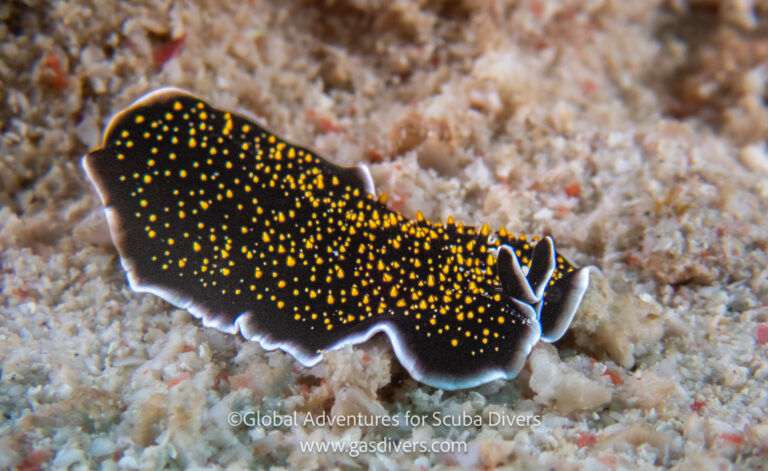
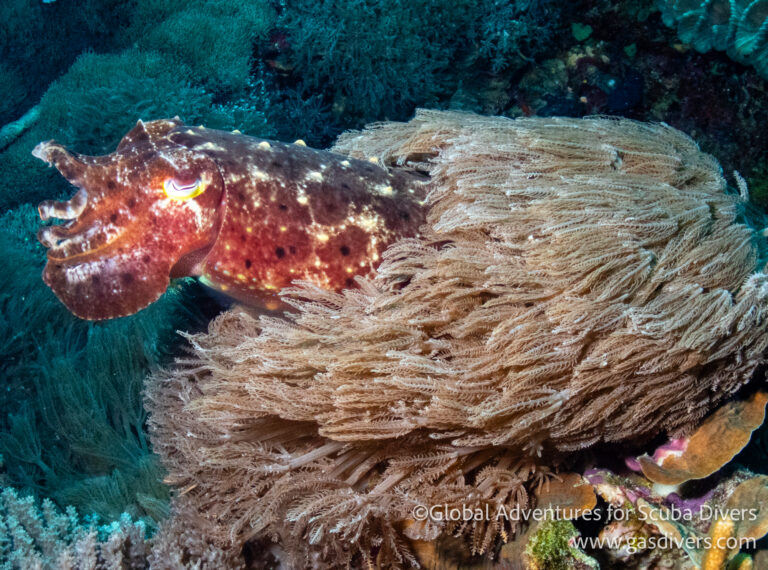
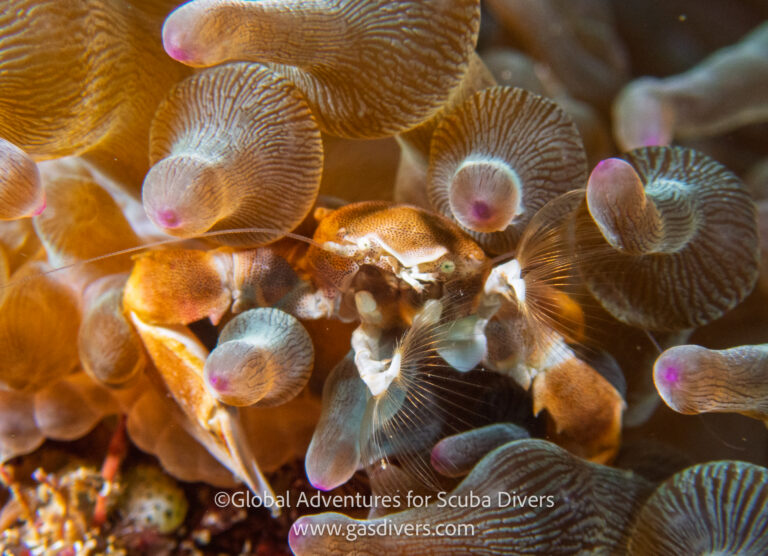
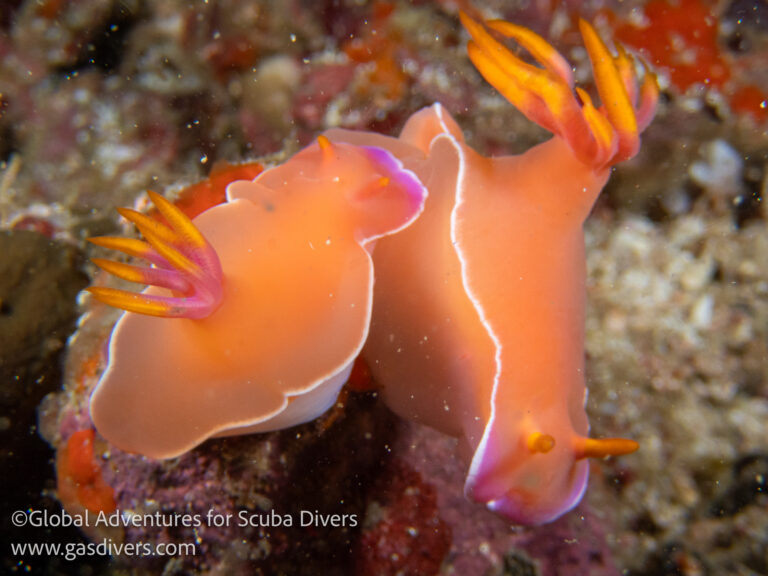
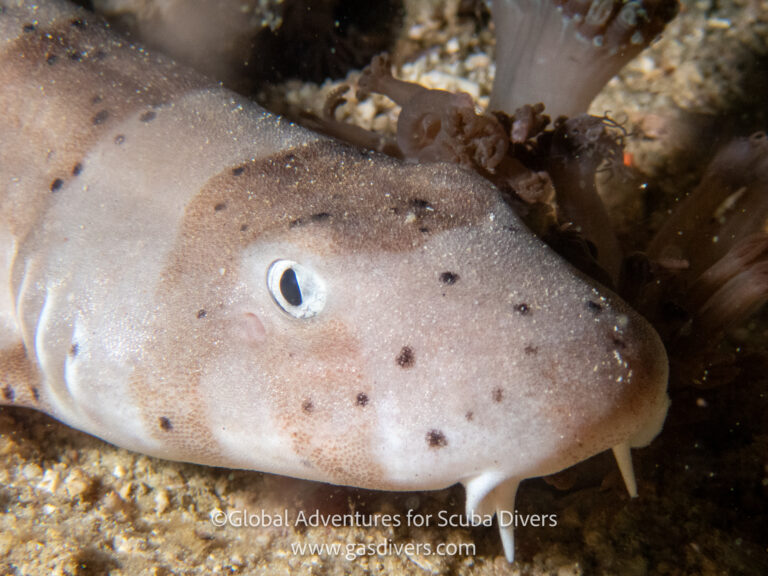
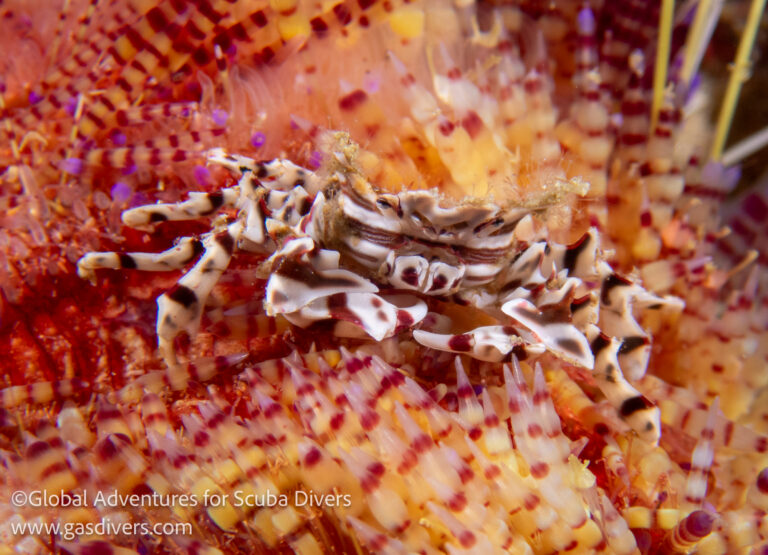
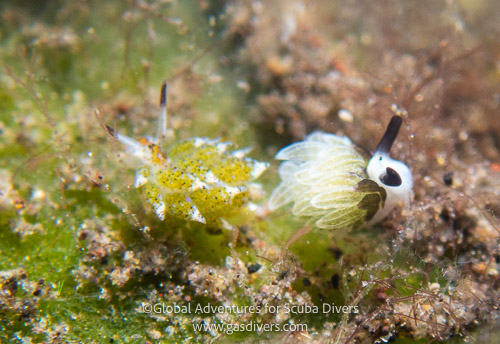
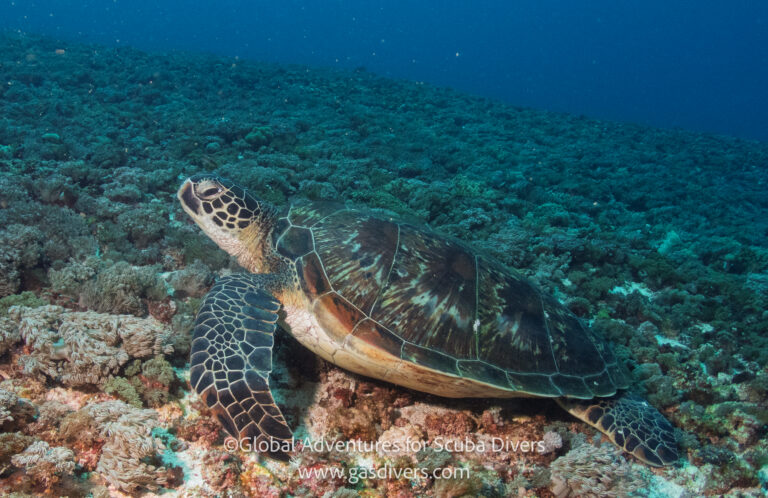
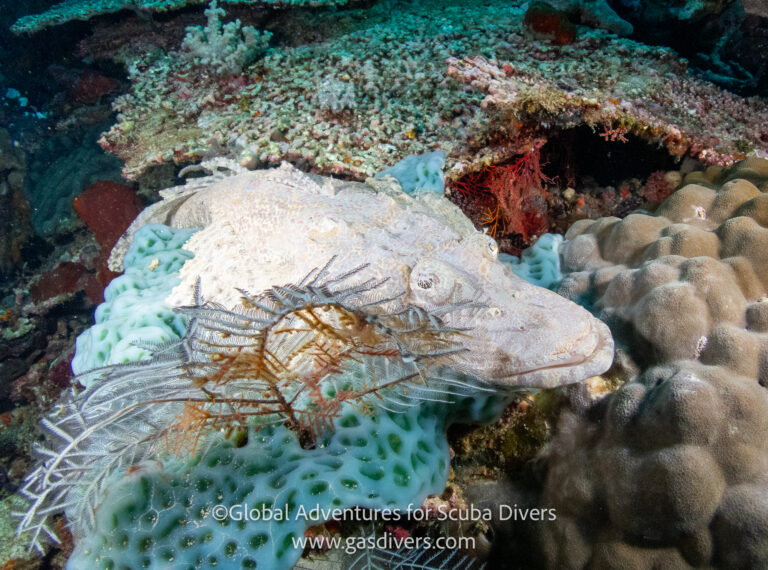
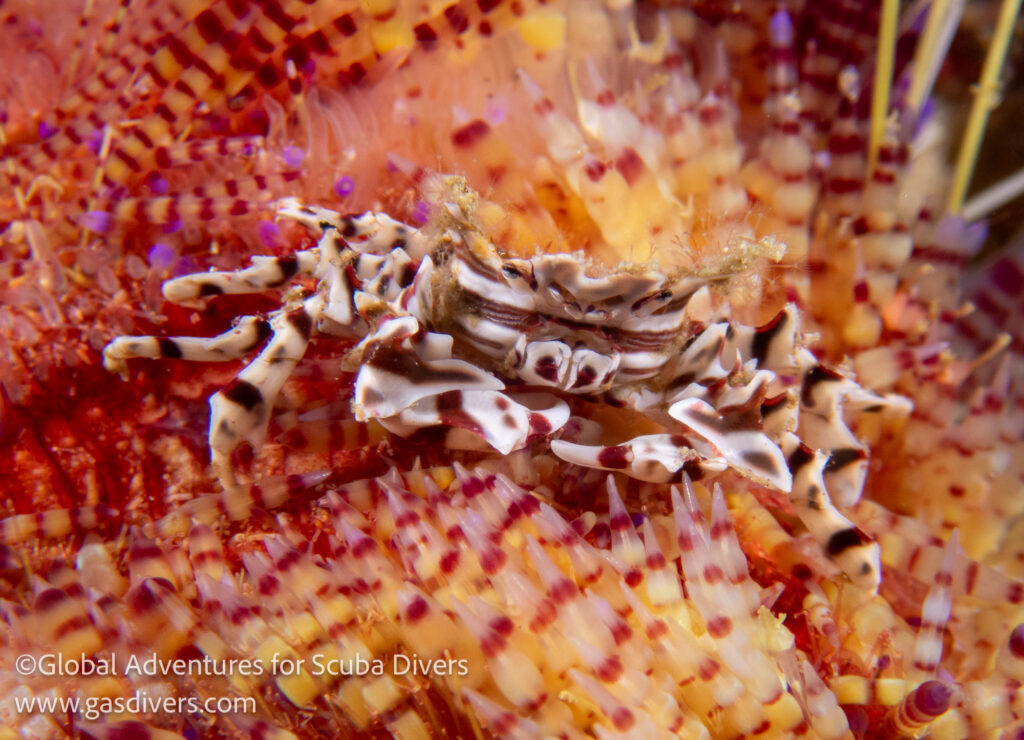
Throughout the trip, we encountered manta rays, sharks, turtles, eagle rays, dolphins, huge schools of reef fish, octopus, nudibranchs, frogfish, bamboo sharks, and countless other macro critters.
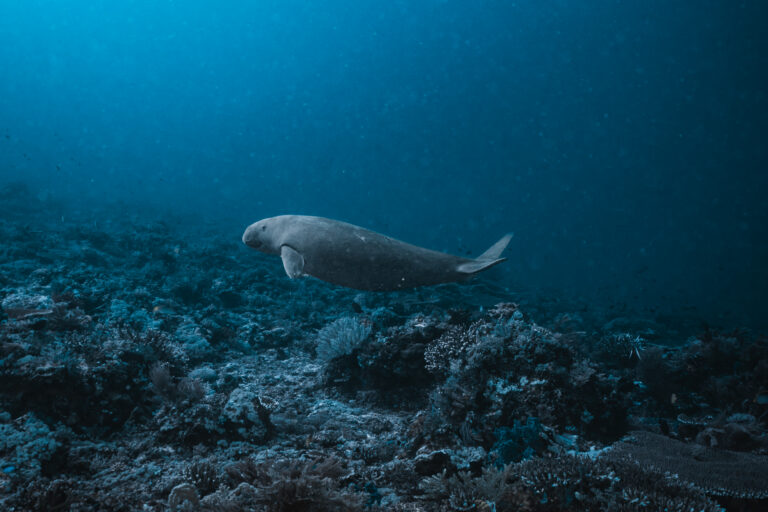
One of the most unexpected highlights? A dugong!
We certainly weren’t expecting to add a dugong to our Komodo species list, making the encounter even more memorable.
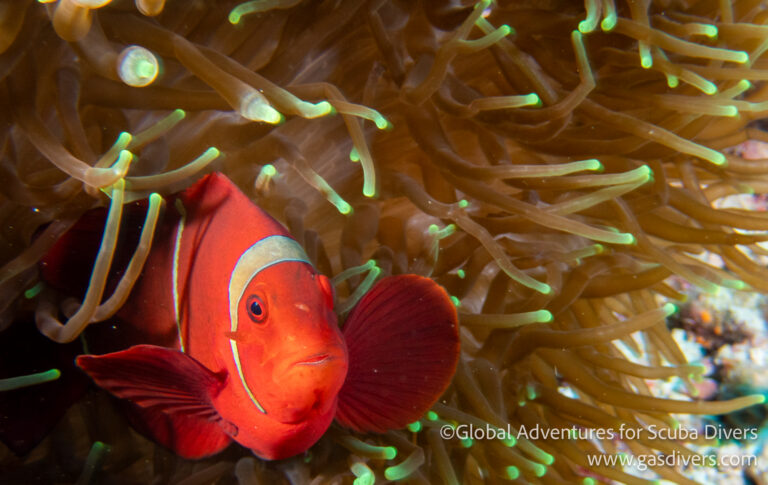
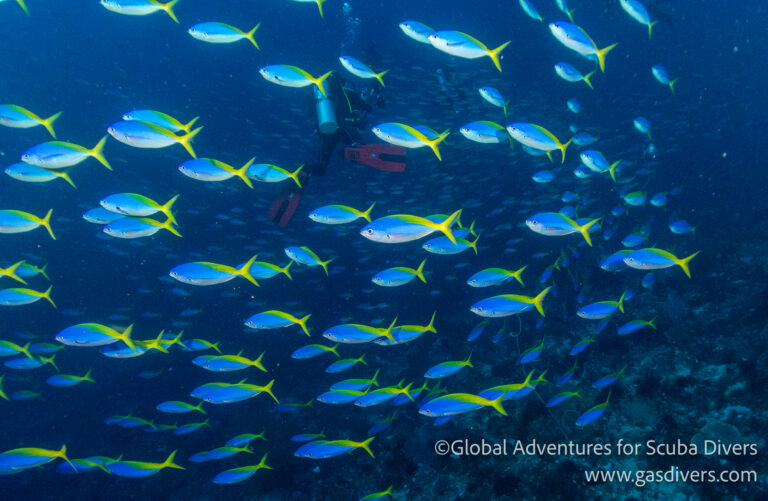
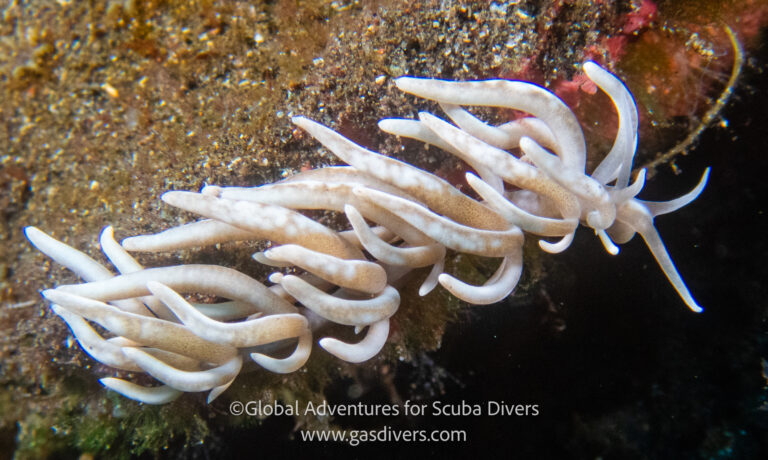
This was one of our favorite things about Komodo: you could spend a dive watching large animals and schooling fish and then spend the next dive with your nose practically in the sand searching for something tiny. Check out our gallery!
Night Diving in Komodo
Komodo after dark was a completely different experience.
Many of our night dives were more muck-oriented, which meant slowing down and looking carefully for the weird and wonderful creatures hiding around the reef and bottom.
And we found some great surprises.
A baby bamboo shark. A hairy frogfish. Several nudibranchs.
And plenty of other creatures that required a little patience to spot.
The night dives were a great reminder that Komodo isn’t only a big-animal destination. If you enjoy macro photography or hunting for unusual marine life, there’s plenty to keep you busy after the sun goes down.
Komodo Diving Considerations: Currents, Temperature & Visibility
Komodo is known for its currents, and conditions can change quickly depending on tides and location. That’s part of what makes the diving so productive—but it’s also why diving with an experienced crew is so important.
Water temperatures and visibility can also vary throughout the park, so don’t expect every dive to feel exactly the same.
Komodo’s currents are part of what makes the diving so rewarding, but they also mean this isn’t a destination we’d recommend for a brand-new diver. For a deeper look at Komodo’s diving conditions, experience requirements and what to pack, check out our Ultimate Guide to Diving Komodo National Park
Exploring Komodo Above the Water
Ten days of diving doesn’t mean spending ten days underwater. Komodo National Park is an incredible destination above the surface, too.
Meeting the Komodo Dragons
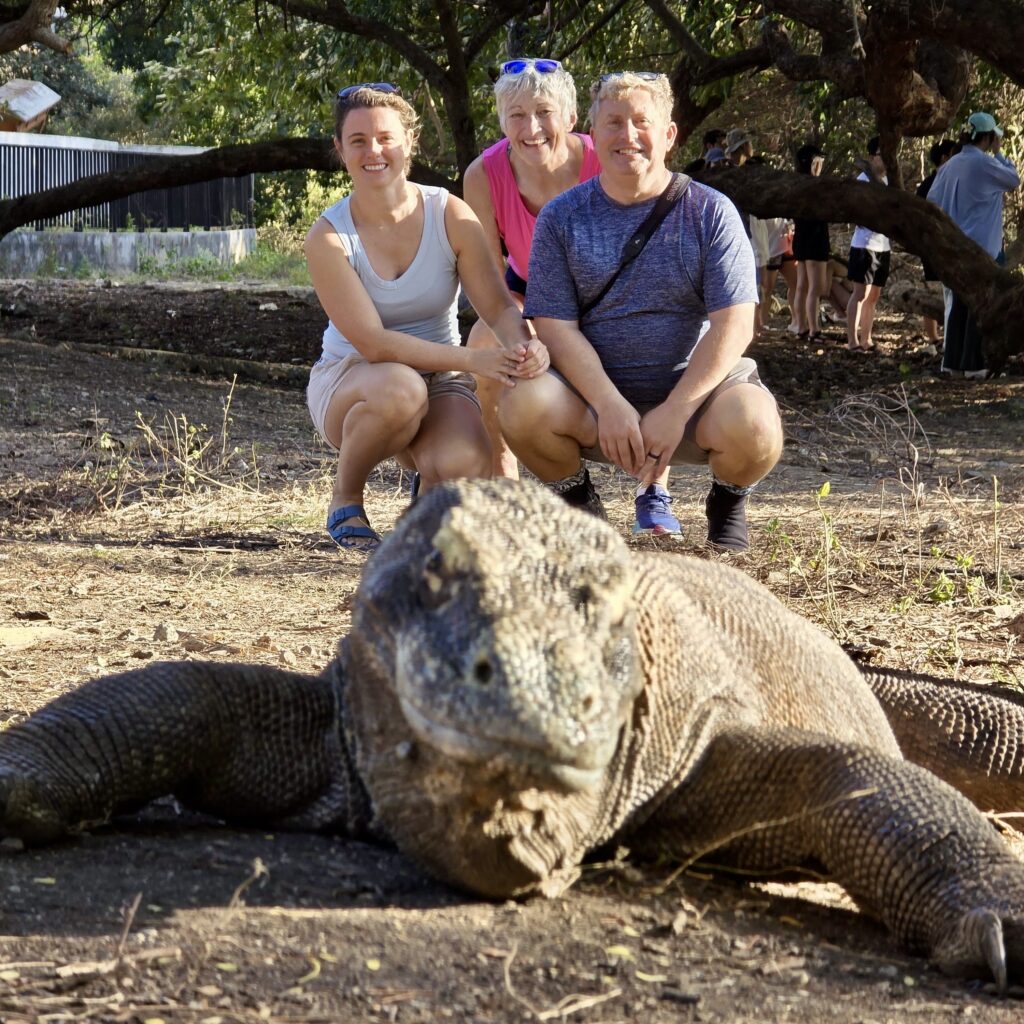
Of course, you can’t visit Komodo without meeting the dragons.
Seeing a Komodo dragon in person is a pretty surreal experience. These aren’t small lizards you might casually encounter while walking down a trail. They’re enormous, powerful predators, and the park takes their presence seriously.
Padar Island Viewpoint
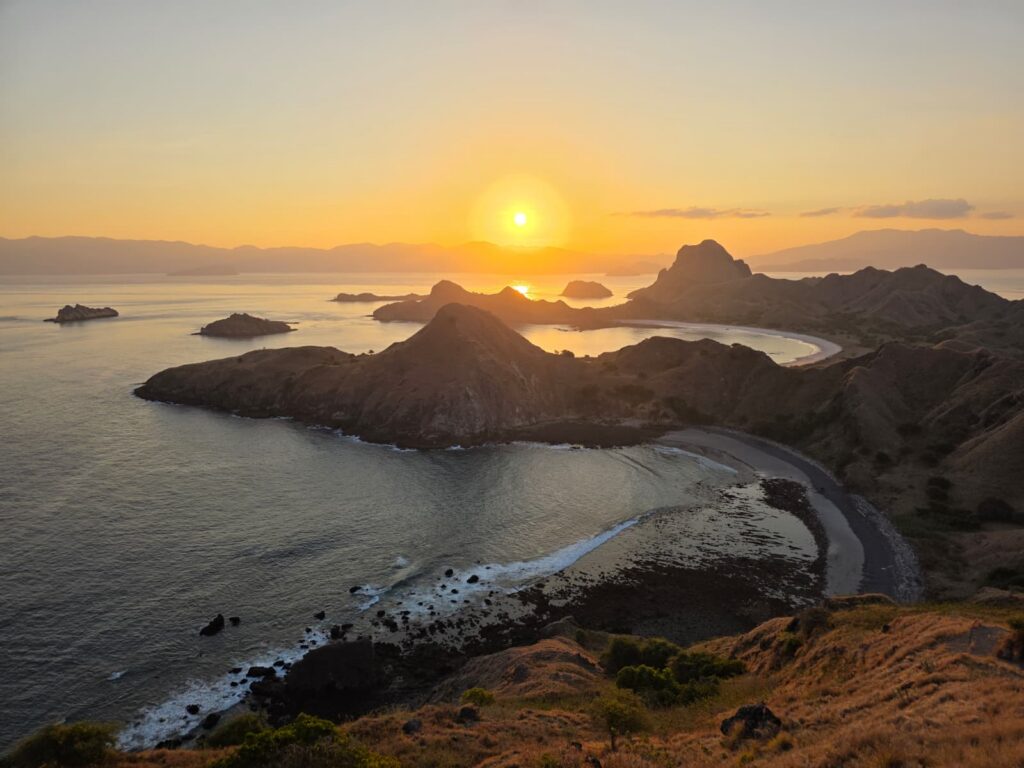
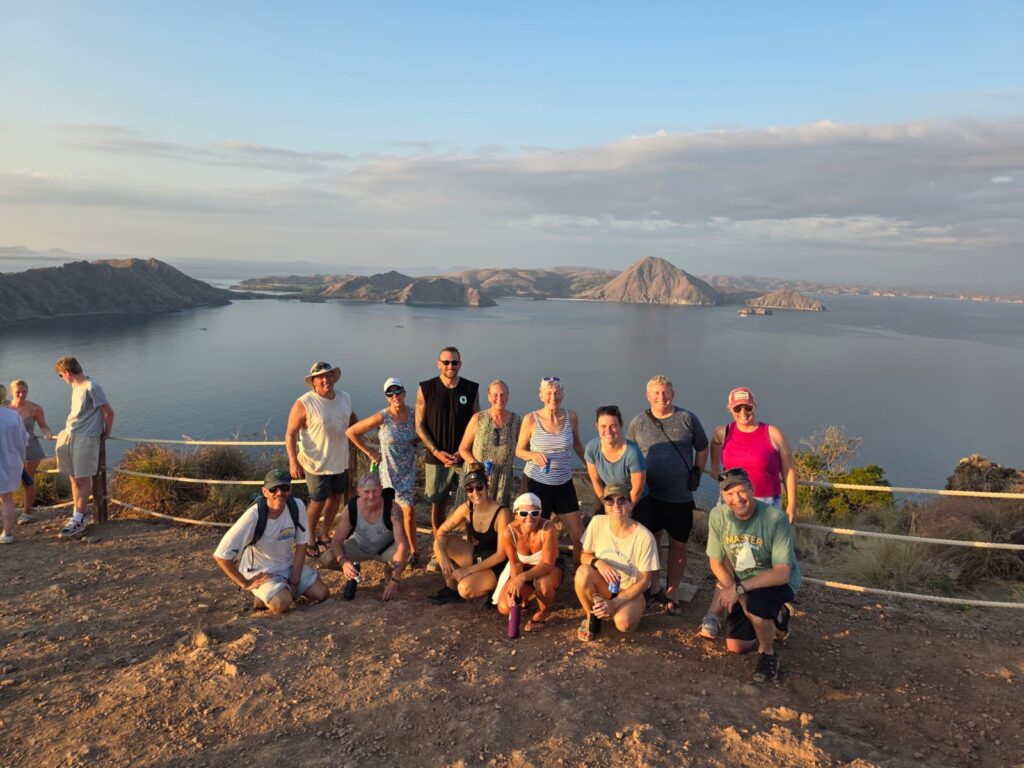
After eight straight days of diving, climbing around 800 steps to the famous Padar viewpoint felt like a particularly ambitious choice.
Was the view worth it? Absolutely.
Were our legs thrilled about it? Not particularly.
Padar’s distinctive landscape and dramatic viewpoints are one of the most recognizable sights in the region, and seeing it in person was a great break from life aboard the boat.
Just maybe don’t underestimate those stairs after a week of diving.
Pink Beach
Pink Beach was another popular stop. And here’s where we’ll give you our honest opinion:
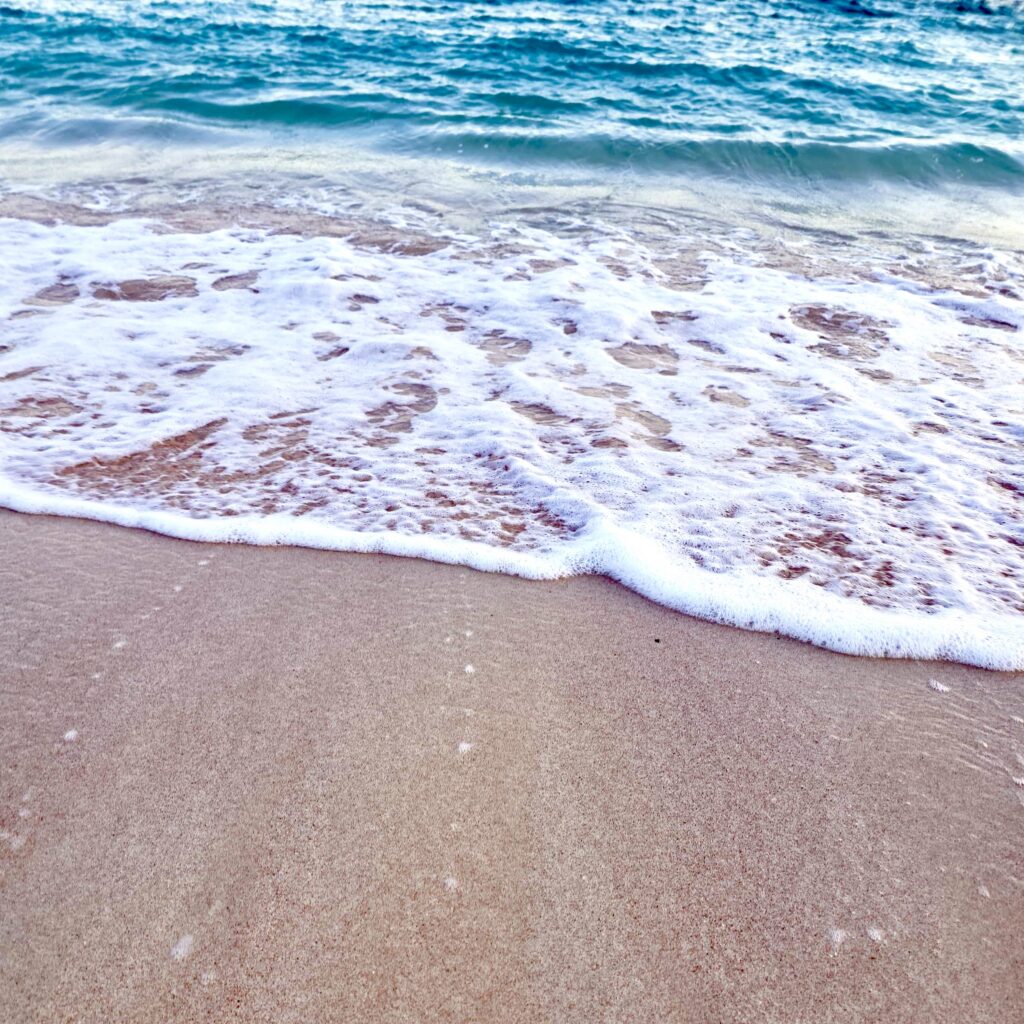
It is pink. But maybe not Instagram pink.
The color comes from pink and reddish material mixing with the pale sand, creating a pinkish appearance. But how pink it looks can vary considerably depending on the light and conditions.
Instagram has a way of turning “pretty pink beach” into “NEON PINK BEACH OF YOUR DREAMS.”
Our experience was more subtle. Still beautiful. Just… realistic.
Our Liveaboard Experience
For us, exploring Komodo by liveaboard is the best way to experience the national park. It allows you to reach a wider variety of dive sites while spending less time traveling between them.
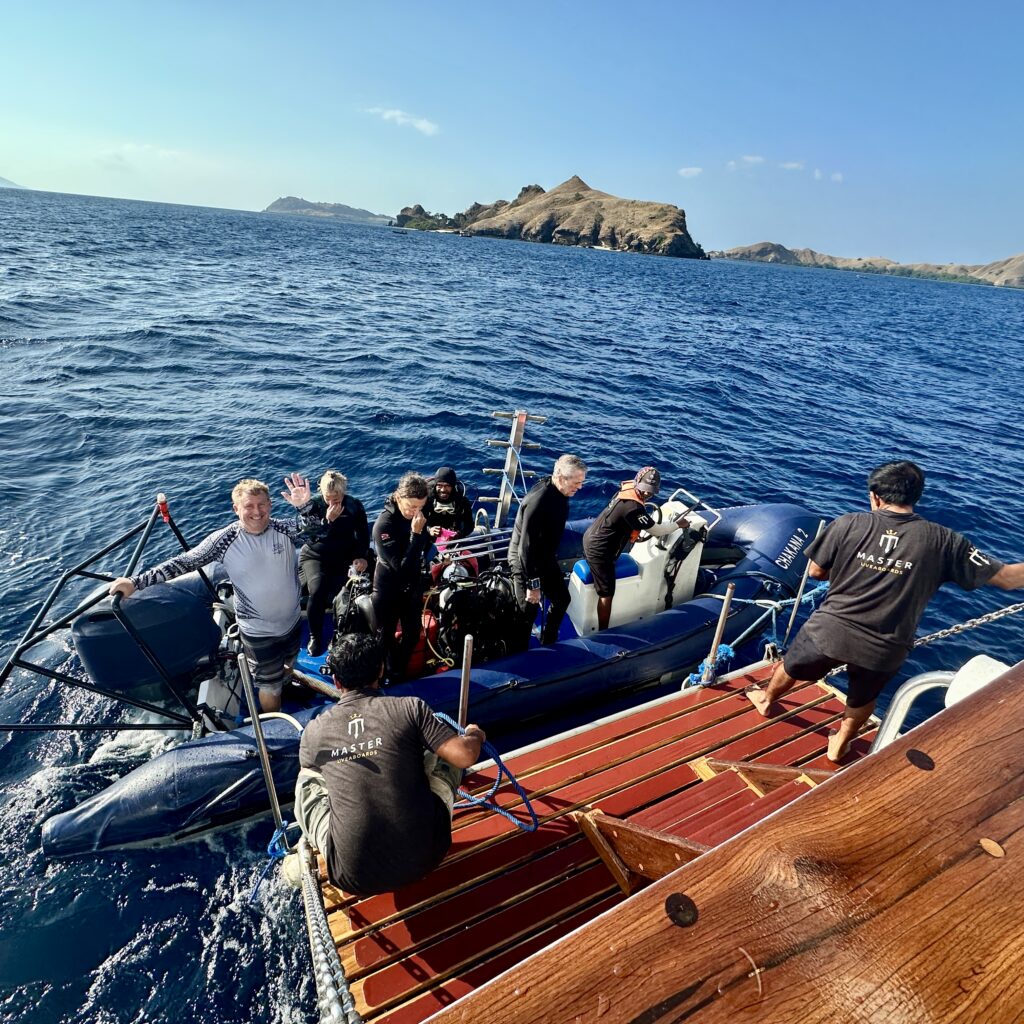
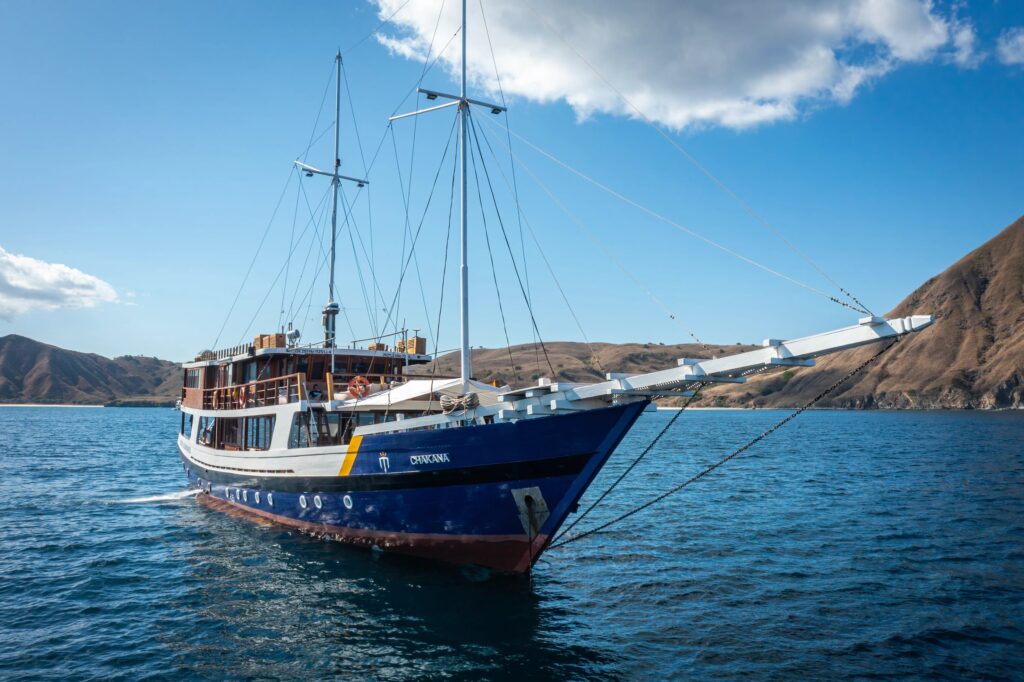
We spent ten days aboard the Indo Master, a traditional Phinisi-style liveaboard with comfortable cabins, spacious outdoor areas, and thoughtful touches like a digital itinerary that kept everyone informed.
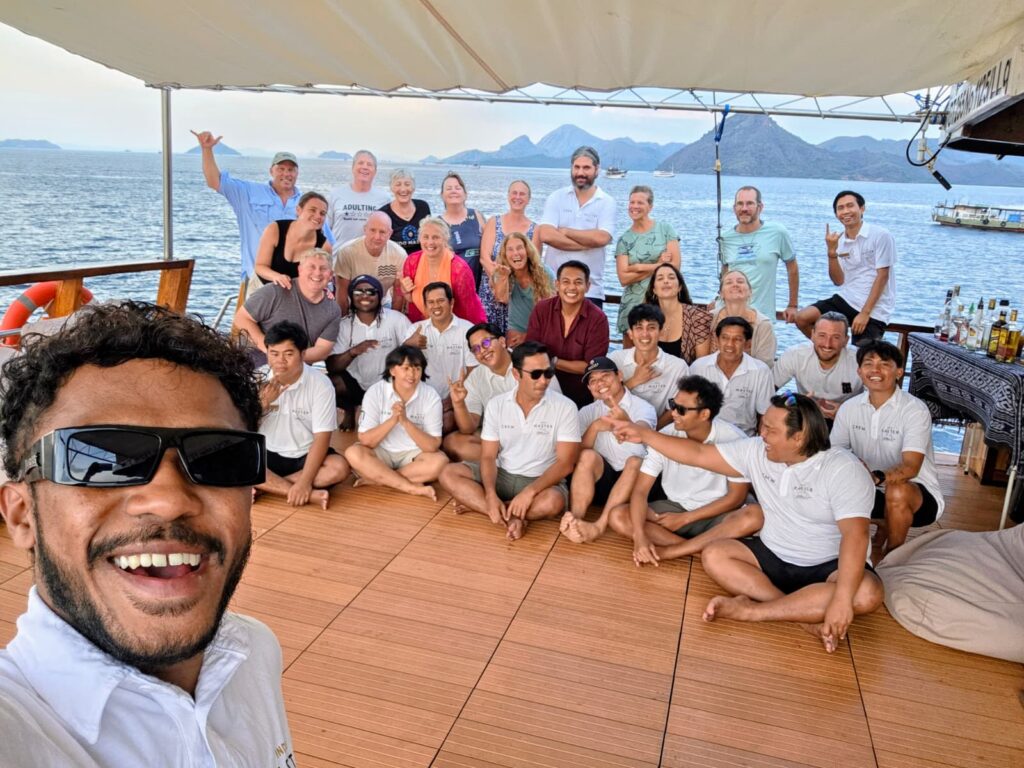
What really made the trip, though, was the crew. With 18 crew members for our group of 16 guests, service was exceptional. They took great care of our gear, kept dive groups small with just four divers per guide, and somehow managed to “herd” a boat full of excited divers with plenty of smiles and laughter along the way.
Their commitment to safety also stood out. During our charter, we watched the crew conduct both a man-overboard drill and a fire drill, and that same attention to detail carried over into every dive briefing and decision throughout the trip.
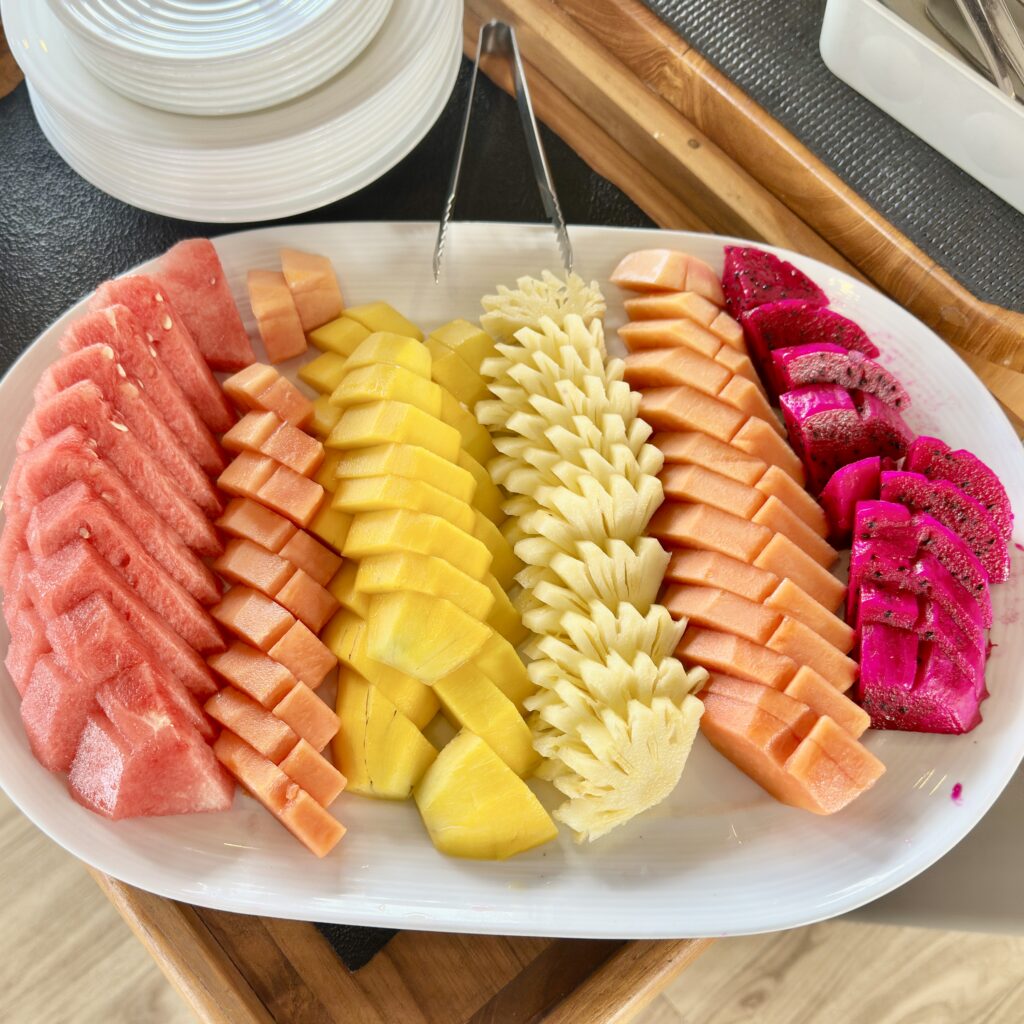
And of course, we can’t forget the food. From delicious Indonesian-inspired meals and fresh tropical fruit to homemade bread and an espresso machine serving oat milk lattes, we were always well fed between dives.
By the end of ten days, it was clear that the boat was only part of what made this trip special—the crew played an equally important role in creating an unforgettable experience.
Is Ten Days the Right Length for Komodo?
For us, yes.
Seven days might sound like plenty on paper, but once you factor in travel, getting settled aboard, multiple dives a day, changing conditions, land excursions, and the sheer variety of sites, a week can go by surprisingly quickly.
Ten days gave us enough time to settle into the rhythm of liveaboard life rather than feeling like we were racing through the itinerary.
By the middle of the trip, the routine felt natural: wake up, dive, eat, dive, relax, dive again—and somewhere in there, drink a lot of coffee.
We never felt like we had to rush through Komodo.
Who Is a Komodo Liveaboard Trip Best For?
We think Komodo is an excellent choice for divers who want variety.
If your dream trip is all about one particular animal, wildlife can be unpredictable. But if you love the idea of waking up each day wondering what you’re going to see, Komodo is hard to beat.
It’s especially well suited for divers who:
- Are comfortable with currents and changing conditions
- Enjoy both big animals and macro life
- Don’t mind variable water temperatures and visibility
- Enjoy multiple dives per day (we were doing up to 4!)
- Want to experience both day and night diving
- Appreciate healthy reefs and abundant marine life
- Are comfortable with a true liveaboard experience
- Care about choosing an operator that prioritizes safety and environmental responsibility
And while there are land-based ways to dive Komodo, we highly recommend experiencing it by liveaboard if diving is your primary reason for visiting.
Ready to Explore More of Indonesia?
Komodo was an incredible reminder of just how much there is to explore beneath the surface in Indonesia—and we’re definitely not done yet.
Next November, GAS Divers is heading to Raja Ampat, Halmahera & Lembeh, three incredible destinations known for extraordinary marine biodiversity and world-class diving.
And there’s a special connection to this trip: we’ll be back aboard the same boat with the same crew who joined us in Komodo. After spending 10 days with them, we’re excited to have them leading us through another Indonesian adventure.
Explore our Raja Ampat, Halmahera & Lembeh trip
Want to Experience Komodo?
While we don’t currently have a GAS Divers group trip to Komodo on the calendar, we can still help you get there. We have a great relationship with Master Liveaboards and the Indo Master and can help arrange individual or custom bookings for divers who specifically want to experience Komodo.
Inquire about a Komodo Liveaboard Trip
Our Final Thoughts
We went to Komodo expecting spectacular diving.
We got that.
But we also got incredibly healthy coral reefs, unexpected macro life, eagle rays, sharks, turtles, dolphins, a dugong, spectacular schools of fish, curious nudibranchs, baby bamboo sharks, hairy frogfish, Komodo dragons, volcanic islands, a friendly pig, and more mango than we probably deserved.
And somewhere along the way, Komodo reminded us why we love diving in the first place:
You never really know what you’re going to find.
That’s what makes this destination so special—and why we’re already looking forward to our next Indonesian adventure.