

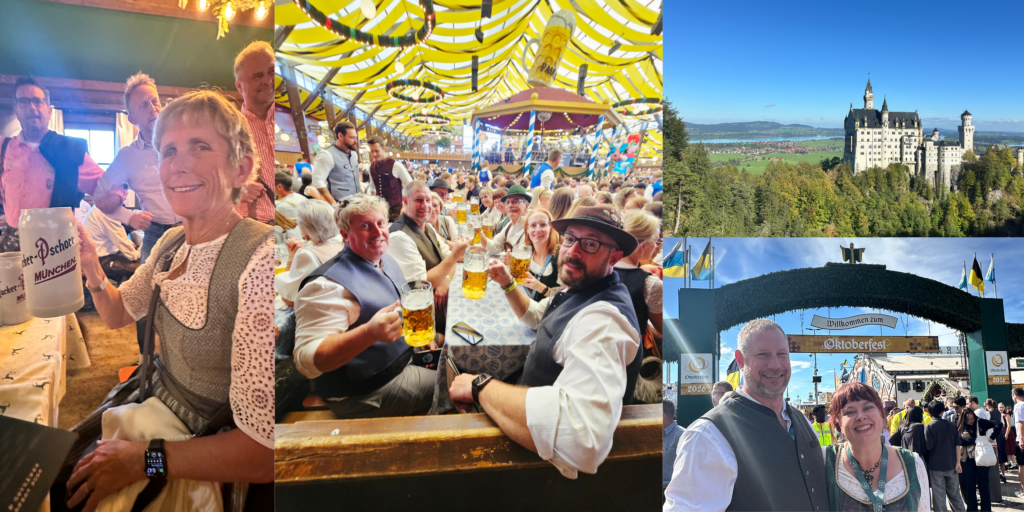
One incredible Bavarian adventure, a fantastic group of Cool People, and a whole lot more than beer.
There’s a whole lot more to Bavaria than beer and pretzels. Although, let’s be honest, we enjoyed plenty of both!
In September 2026, we brought a group of Cool People to Germany for our Oktoberfest & Bavarian Escapade. While Oktoberfest was certainly a highlight, we wanted to experience the history, culture and traditions that make Bavaria such a fascinating destination.
With two home bases in Garmisch-Partenkirchen and Munich, our adventure took us from the fairytale castles of King Ludwig II and the breathtaking Bavarian Alps to centuries-old brewing traditions and the legendary Oktoberfest beer tents.
Along the way, we discovered that Bavaria has so much more to offer than its famous festival. And, of course, sharing these experiences with an incredible group of travelers made the adventure even more memorable.
Here’s a look at our 2026 Bavarian adventure, from castles and culture to the unforgettable atmosphere of Oktoberfest!
Our Bavarian Home Bases: Garmisch-Partenkirchen & Munich
Our adventure took us to two very different sides of Bavaria, beginning in the charming Alpine town of Garmisch-Partenkirchen before moving to Munich, Bavaria’s lively capital.
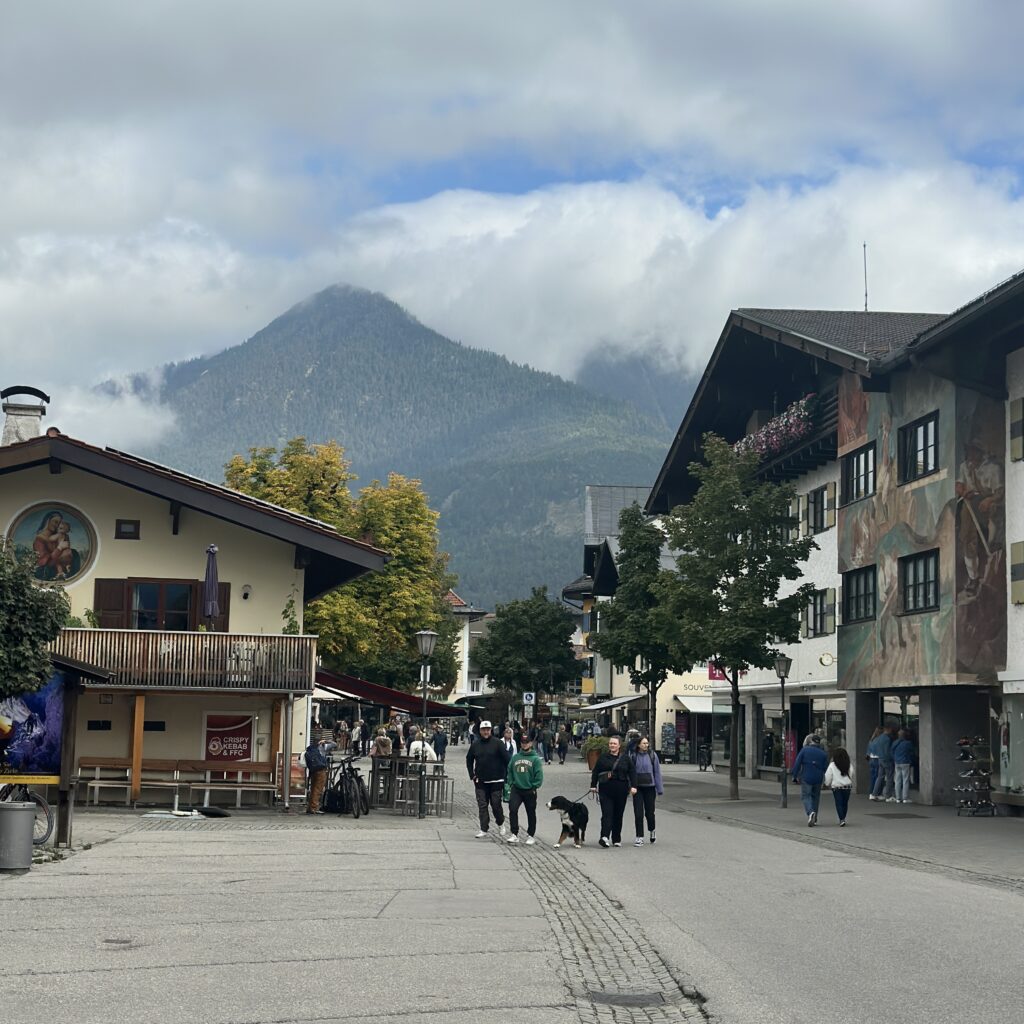
Garmisch-Partenkirchen: Our Alpine Escape
We absolutely love Garmisch-Partenkirchen! As nature lovers, it’s hard not to fall in love with the peaceful atmosphere and breathtaking views of the Bavarian Alps.
Surrounded by towering mountains, colorful buildings, traditional Bavarian architecture and charming beer gardens, Garmisch was the perfect place to begin our adventure. There’s something special about slowing down, enjoying the mountain scenery and experiencing a quieter side of Bavaria.
Interestingly, Garmisch and Partenkirchen were once two separate towns. They were united in 1935 ahead of the 1936 Winter Olympics, although each retains its own distinct character.
We enjoyed exploring the historic streets, sampling traditional Bavarian food and discovering the surrounding region, including nearby Murnau.
Munich: History, Traditions & Modern Bavaria
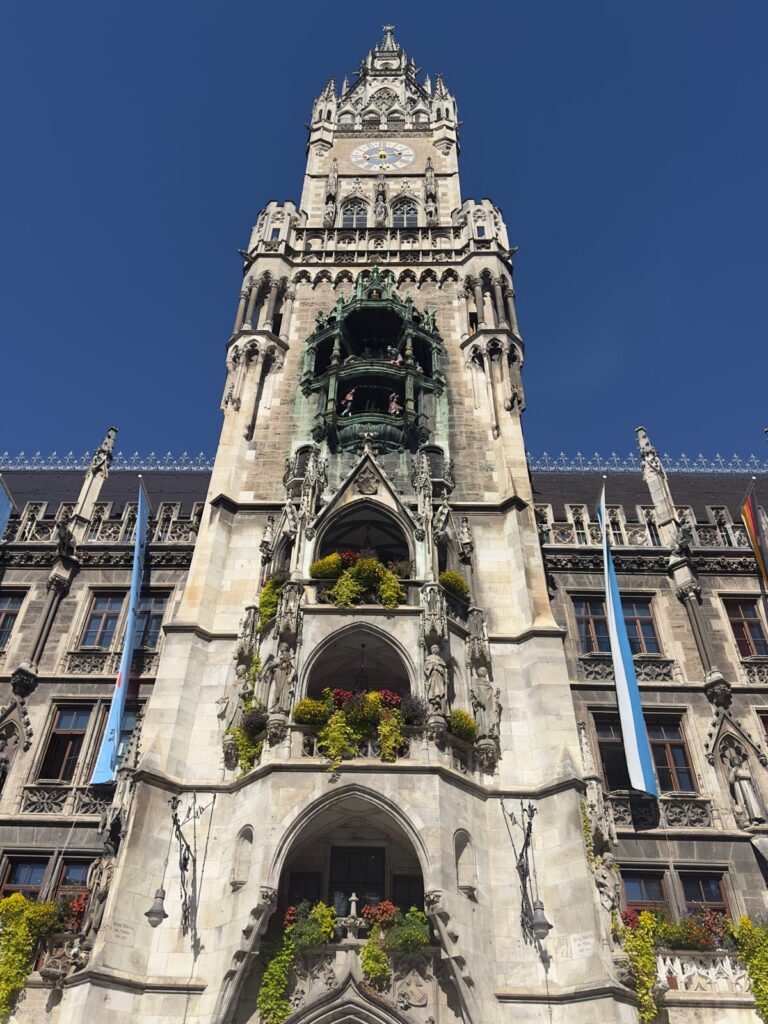
After our time in the Alps, we moved to Munich, where centuries-old traditions meet the energy of a modern European city.
From historic architecture and traditional beer halls to bustling squares and the legendary Oktoberfest grounds, Munich offered a completely different atmosphere from Garmisch-Partenkirchen.
Together, our two home bases gave us a wonderful introduction to Bavaria, combining small-town Alpine charm with the history, culture and excitement of its capital.
Dressing the Part: Trachten, Dirndls & Lederhosen
One of our first cultural experiences was shopping for traditional Bavarian clothing, known as Trachten. And, of course, we wanted everyone to look the part for Oktoberfest!
While dirndls and lederhosen are closely associated with the festival, their history goes back much further. Traditional clothing developed across Bavaria and other Alpine regions, with different styles reflecting local customs, occupations and regional identities. Today, Trachten remains an important expression of Bavarian heritage.

Finding Our Oktoberfest Outfits
Some of our guests arrived with their outfits already prepared, while others joined us for a little shopping adventure in Garmisch-Partenkirchen.
Our recommendation? Wait until you get to Bavaria to shop! We usually visit an affordable local store where guests can find traditional clothing without spending a fortune. Plus, shopping for your Oktoberfest outfit in Germany is part of the fun!
Amazon can be helpful for certain accessories, but we’d be cautious about ordering an entire outfit online. Quality and sizing can vary, and there’s nothing quite like trying everything on in person.
And then there’s lederhosen! Finding the right pair is an experience in itself. Traditional leather lederhosen can feel stiff when they’re new and take some time to soften and become comfortable. We’ve picked up a few tips for finding the right fit and breaking them in, and we’re happy to share those with our guests once
Oktoberfest: A Celebration of Bavarian Culture
Of course, no Bavarian Escapade would be complete without Oktoberfest! While the festival is famous for its enormous beer tents and lively atmosphere, its origins are deeply connected to Bavaria’s royal history.
Oktoberfest began in 1810 as a celebration of the marriage of Crown Prince Ludwig (later King Ludwig I) and Princess Therese of Saxe-Hildburghausen. The festivities took place on the grounds now known as Theresienwiese, which remains the festival’s home more than 200 years later.
Today, Oktoberfest is a celebration of Bavarian traditions, music, food and, of course, some incredible beer!
Our Oktoberfest Experience
Our first Oktoberfest adventure began with a scenic train ride from Garmisch-Partenkirchen to Munich.
Before heading to the festival, we stopped at Augustiner-Keller for a beer and a tour of its historic underground beer-storage cellars. It was a fascinating introduction to Munich’s brewing history before experiencing the world’s most famous beer festival.
As we made our way toward the festival grounds, we caught one of the traditional parades crossing a bridge. We even managed to see more of the festivities once we arrived. Talk about perfect timing!
And then there were the beer tents!
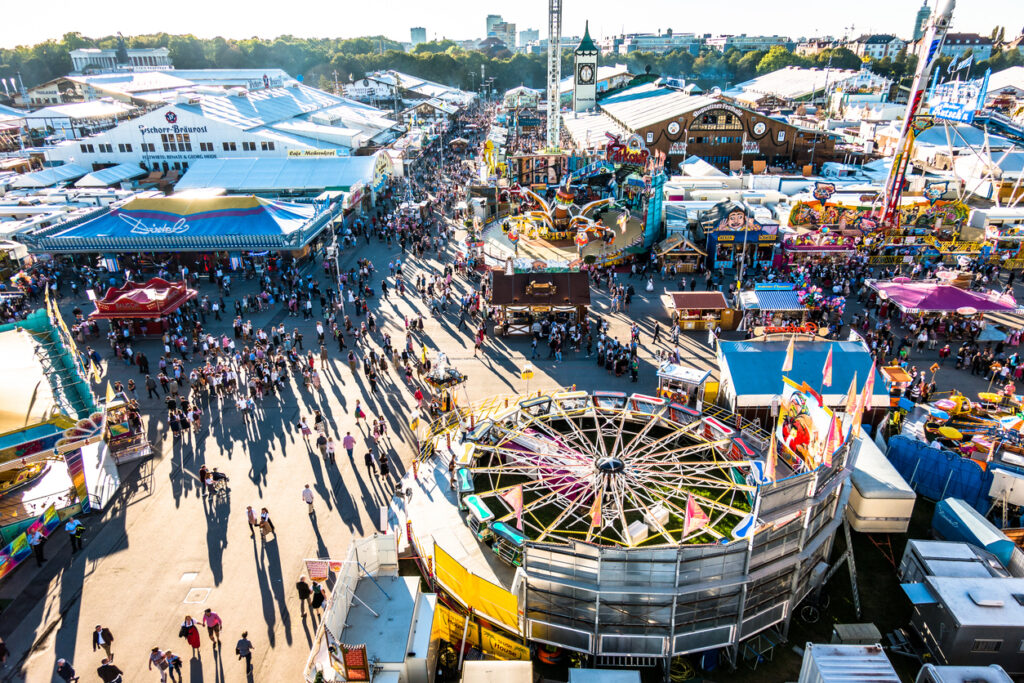
Calling them tents doesn’t quite prepare you for their size. These enormous temporary structures are practically buildings, complete with elaborate decorations, kitchens, stages and seemingly endless rows of tables.
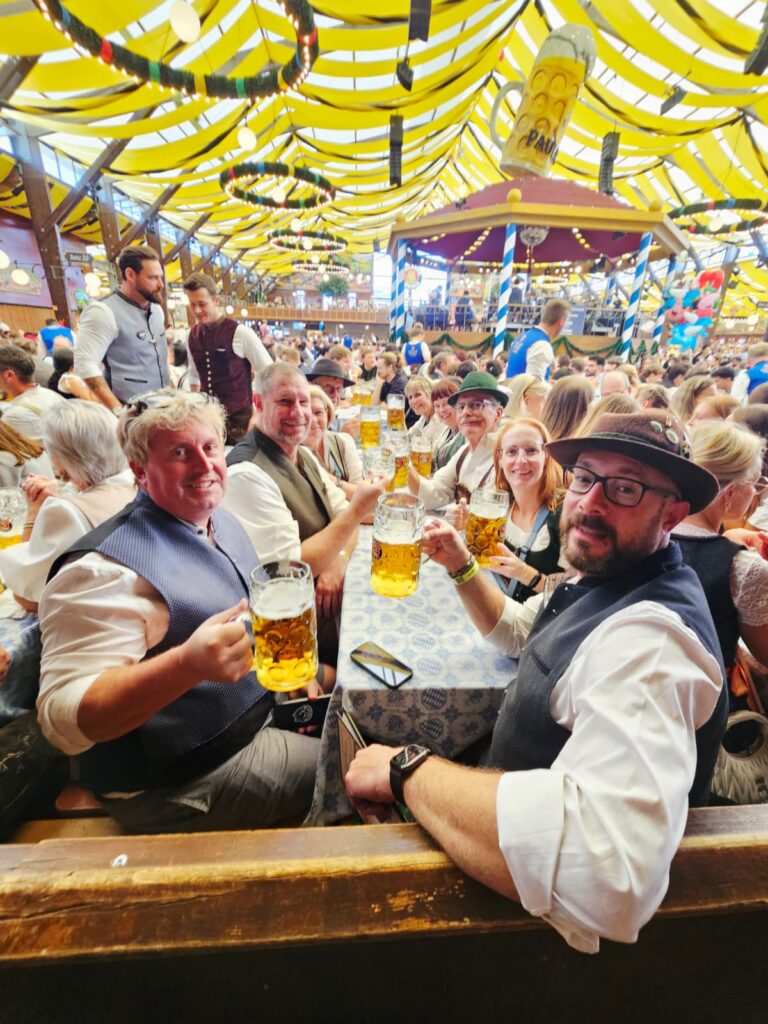
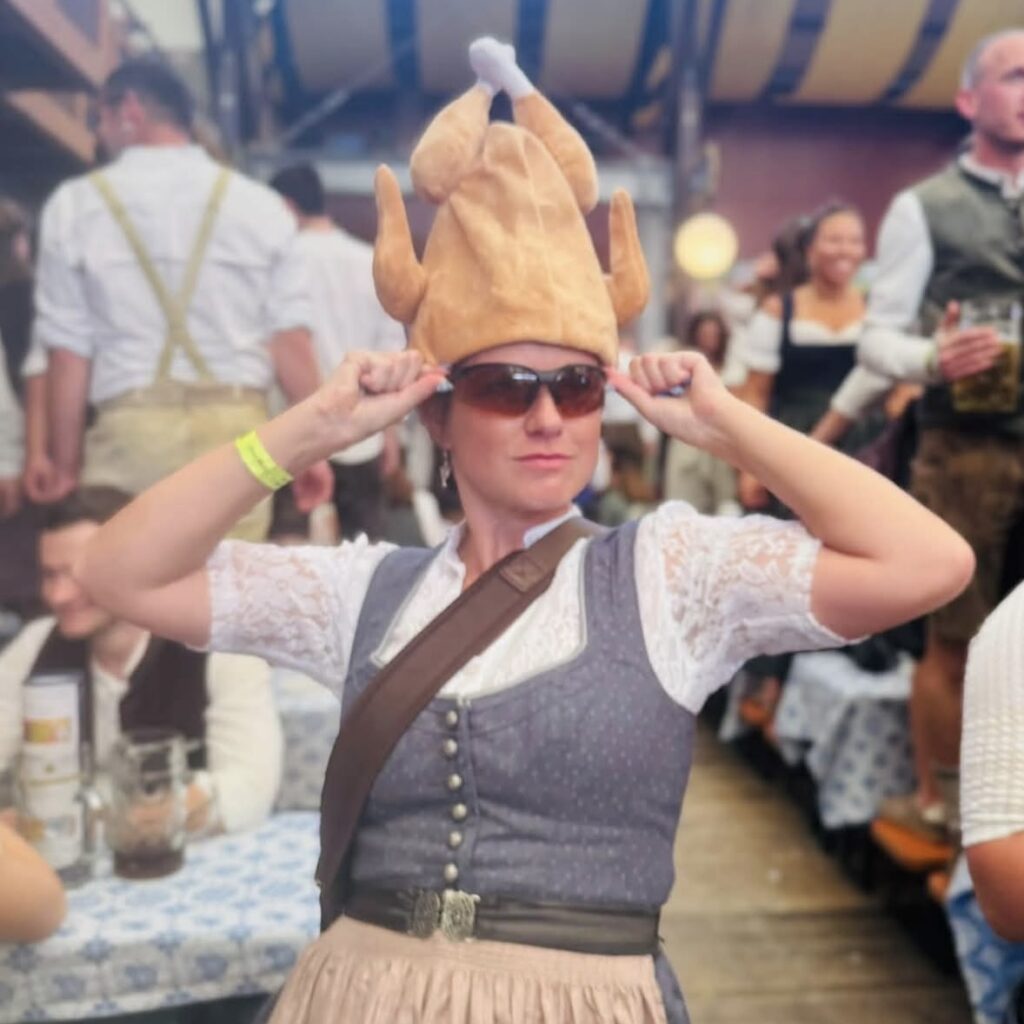
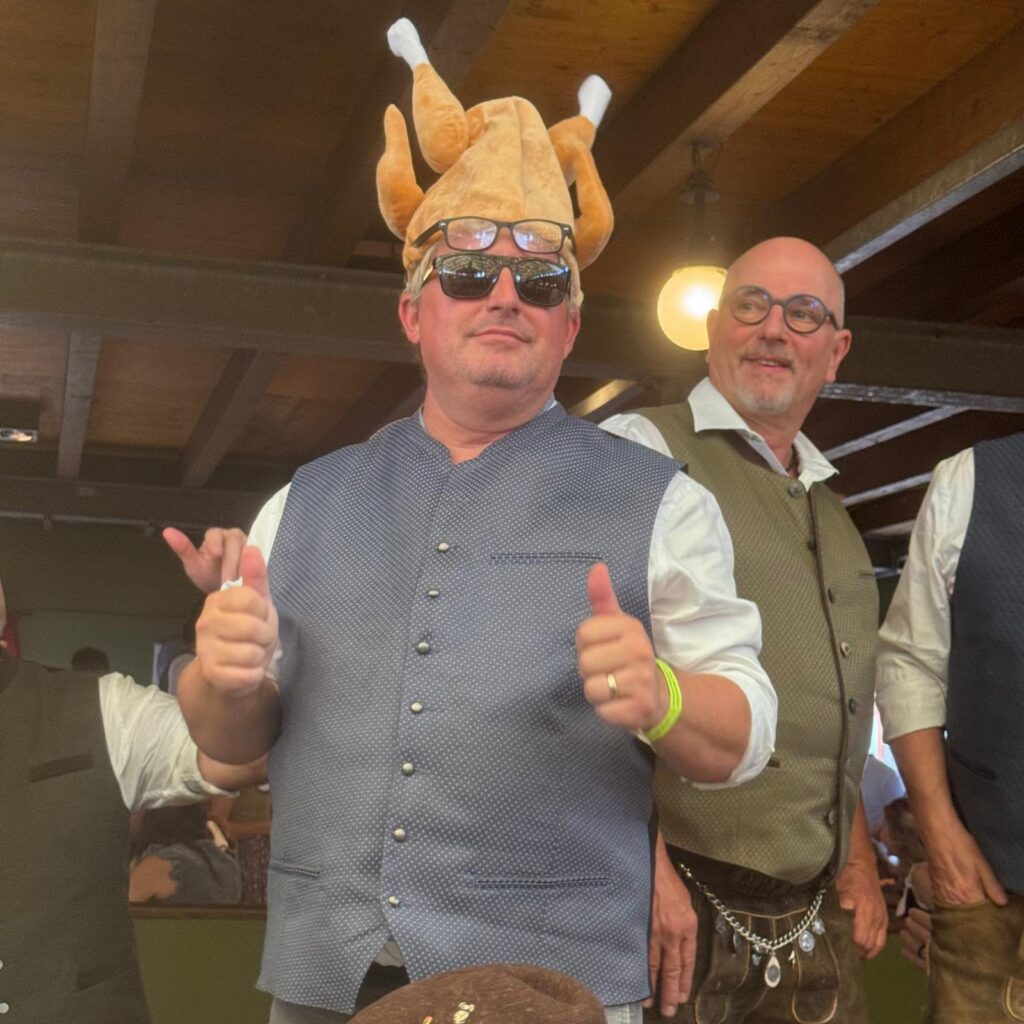
Our reservation at the Paulaner Festzelt gave us a firsthand experience of Oktoberfest’s incredible atmosphere. Between the traditional music, delicious food, enormous one-liter beer mugs and the impressive servers carrying seemingly impossible quantities of food and beer, there was no shortage of entertainment.
We also experienced the Schützenlisl tent at Oide Wiesn, the festival’s historic section. With its more traditional atmosphere, Oide Wiesn offered a different perspective on Oktoberfest and a chance to appreciate the festival’s history.
Oktoberfest was easily one of our favorite experiences of the entire Bavarian adventure!
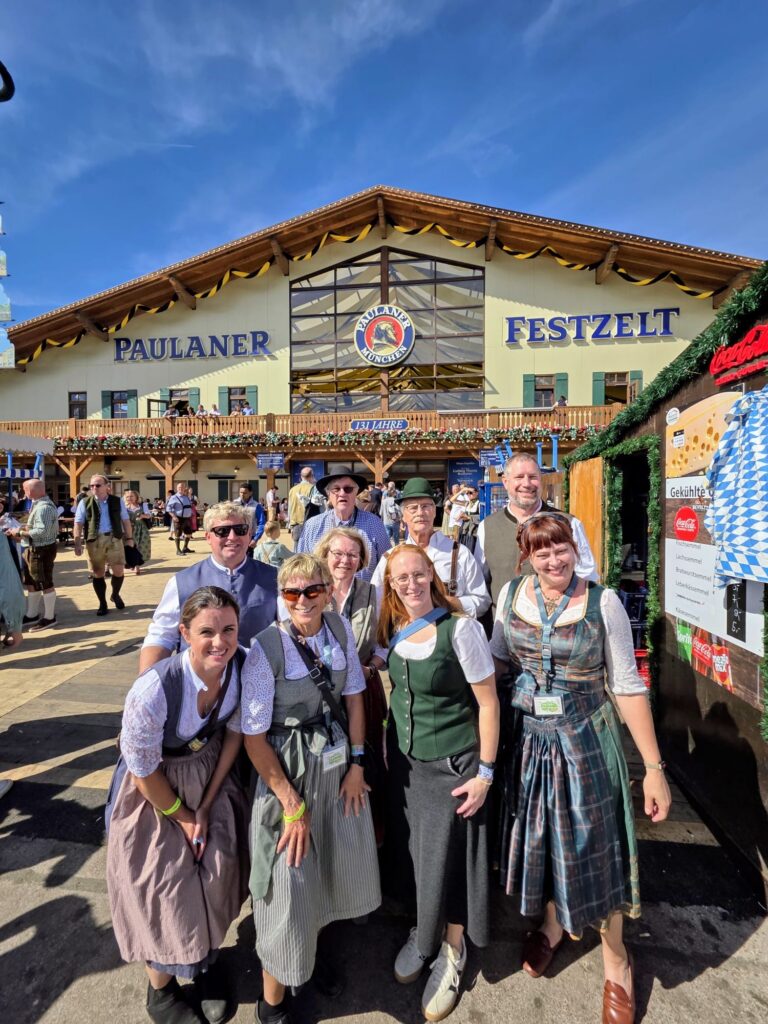
Experiencing Oktoberfest with a Group
Oktoberfest is absolutely something you can experience independently, but navigating the festival with a group can be challenging.
Each tent has its own atmosphere, reservations and traditions. Add enormous crowds, busy transportation and a festival ground much larger than many first-time visitors expect, and things can become chaotic pretty quickly.
Having an experienced local tour guide made a real difference. From coordinating transportation and reservations to sharing the history behind the festival, having someone familiar with Oktoberfest allowed us to concentrate on enjoying the experience.
Rather than simply attending a beer festival, we gained a greater appreciation for the traditions that make Oktoberfest such an important part of Bavarian culture.
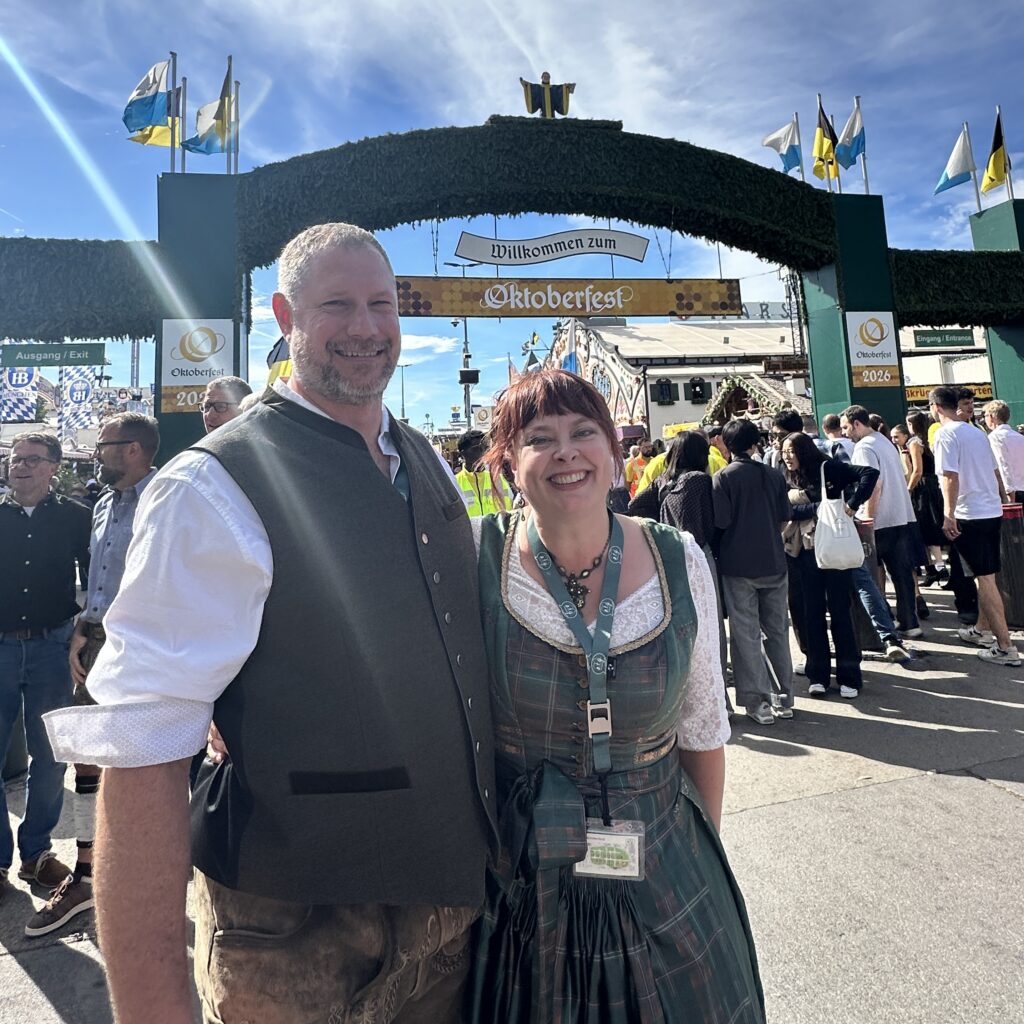
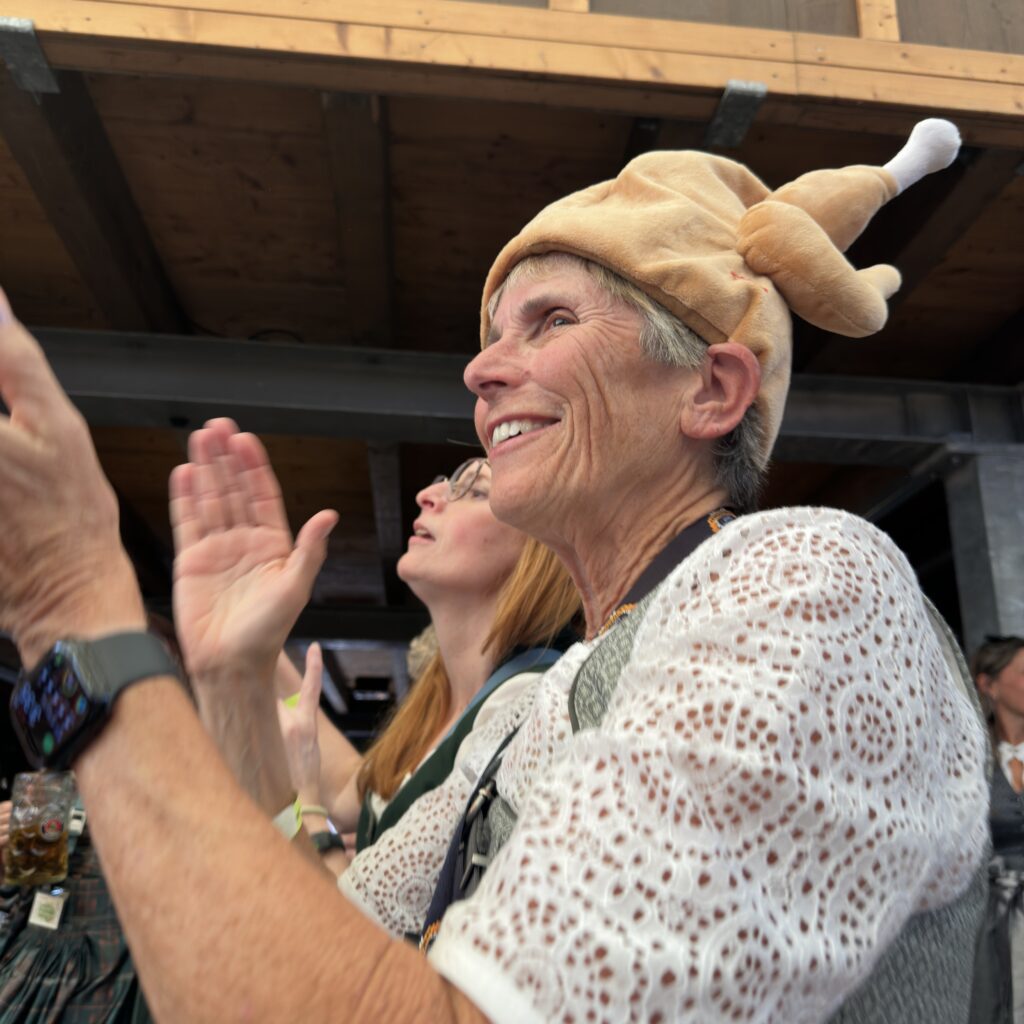
And, of course, there’s nothing quite like raising a stein with a fantastic group of Cool People! Prost!
Bavarian Food, Pretzels & Beer Culture
You can’t experience Bavaria without exploring its food and beer traditions, and we certainly embraced both!
From hearty Bavarian meals and enormous pretzels to traditional beer gardens and historic breweries, food and drink were a big part of our cultural adventure.
One particularly Bavarian tradition is the Weisswurstfrühstück, a late-morning breakfast featuring Weisswurst (white sausage), sweet mustard, a fresh pretzel and, traditionally, a wheat beer.
Yes, beer with breakfast is perfectly acceptable in Bavaria!
Learning to Make Bavarian Pretzels
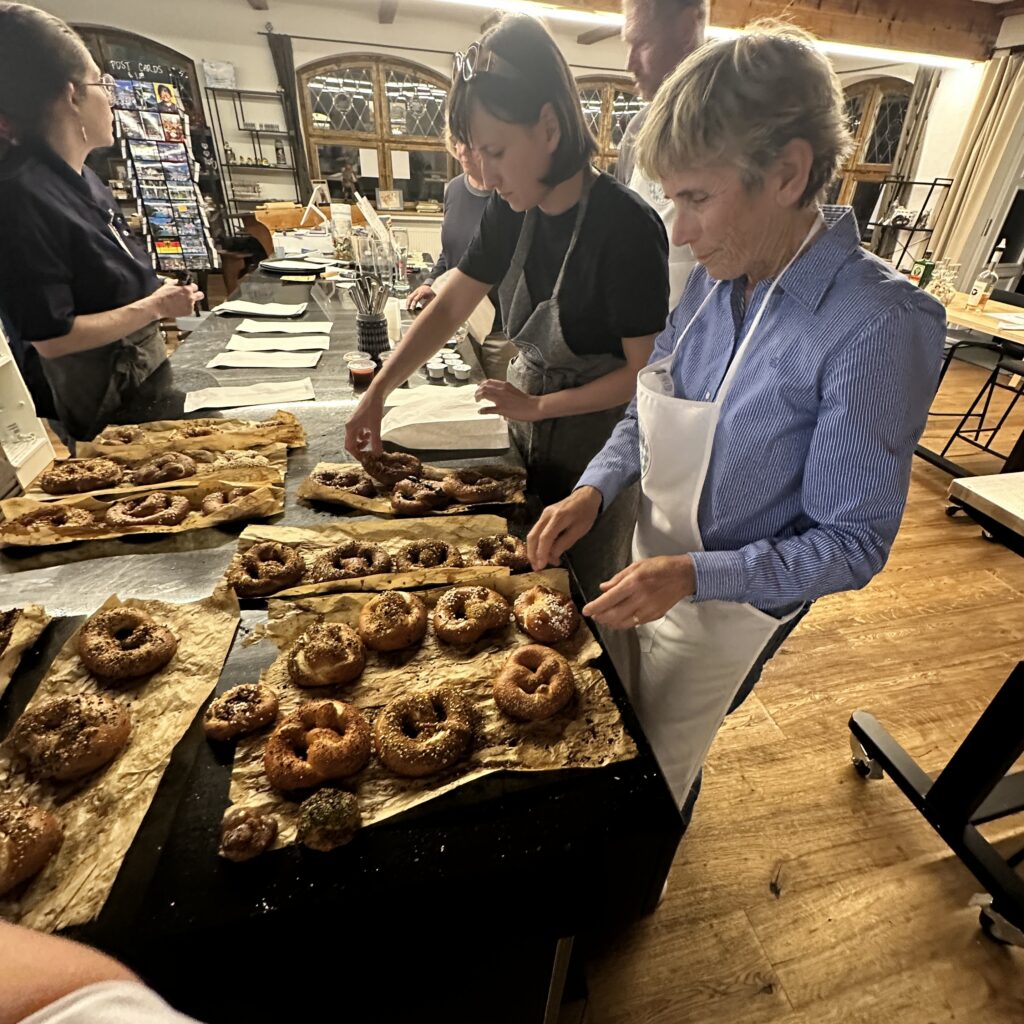
Of course, we couldn’t visit Bavaria without enjoying a few pretzels, but this time, we got to make our own!
During our pretzel-making class, we learned how to shape traditional Bavarian Brezn. And let’s just say getting that familiar twisted shape right takes a little more practice than you might expect!
It was a fun, hands-on way to experience another Bavarian tradition and gave us a new appreciation for something we’d been enjoying throughout the trip.
And there’s something particularly satisfying about eating a pretzel you made yourself!
Understanding Bavarian Beer Culture
Beer is much more than just a drink in Bavaria. It’s woven into the region’s history, traditions and social life. From centuries-old breweries and neighborhood beer gardens to the enormous celebration that is Oktoberfest, beer is an important part of Bavarian culture.
One of its best-known traditions is the Reinheitsgebot, the Bavarian beer purity regulation introduced in 1516. The original regulation specified barley, hops and water as brewing ingredients, with yeast formally recognized later.
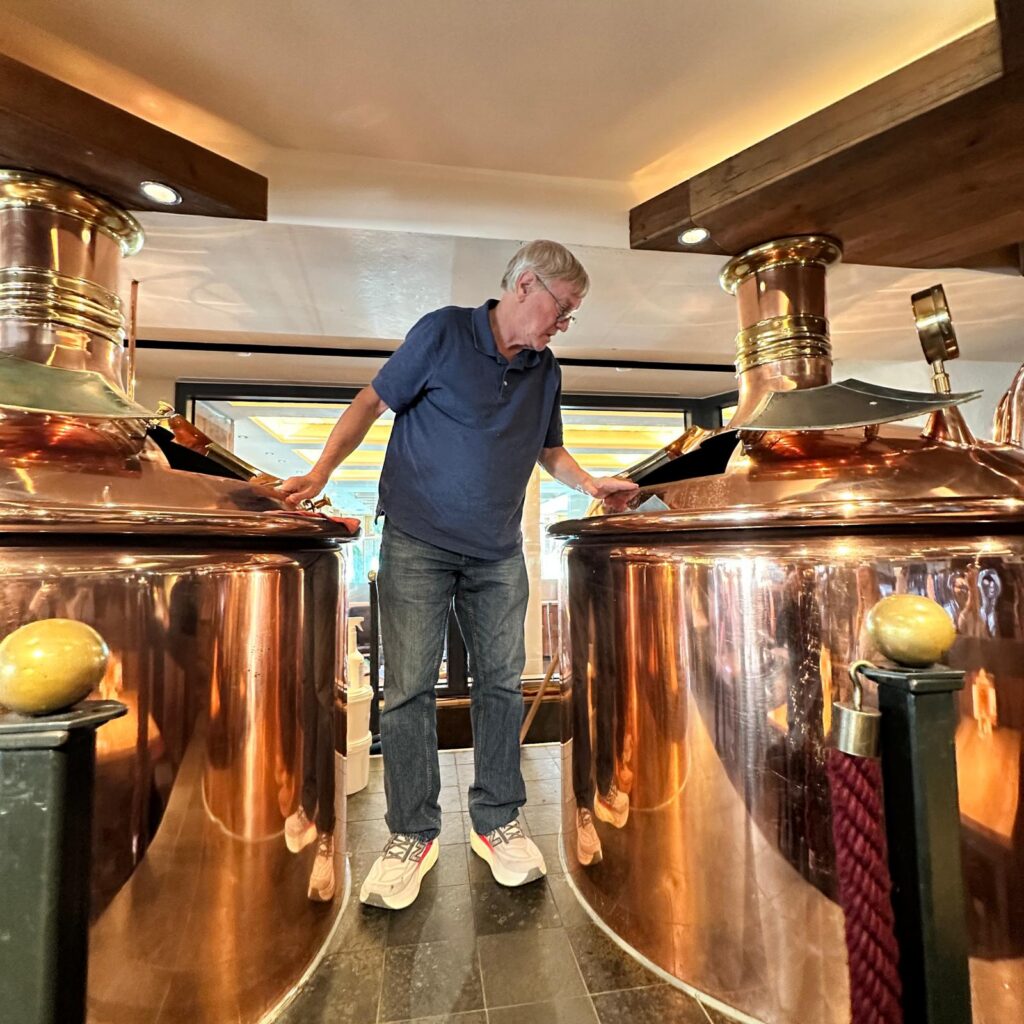
During our adventure, we explored Bavaria’s brewing traditions with visits to Schloss Bräuhaus near Neuschwanstein Castle and Augustiner-Keller in Munich. We learned about traditional brewing methods, explored historic beer-storage cellars and, of course, sampled some local beer!
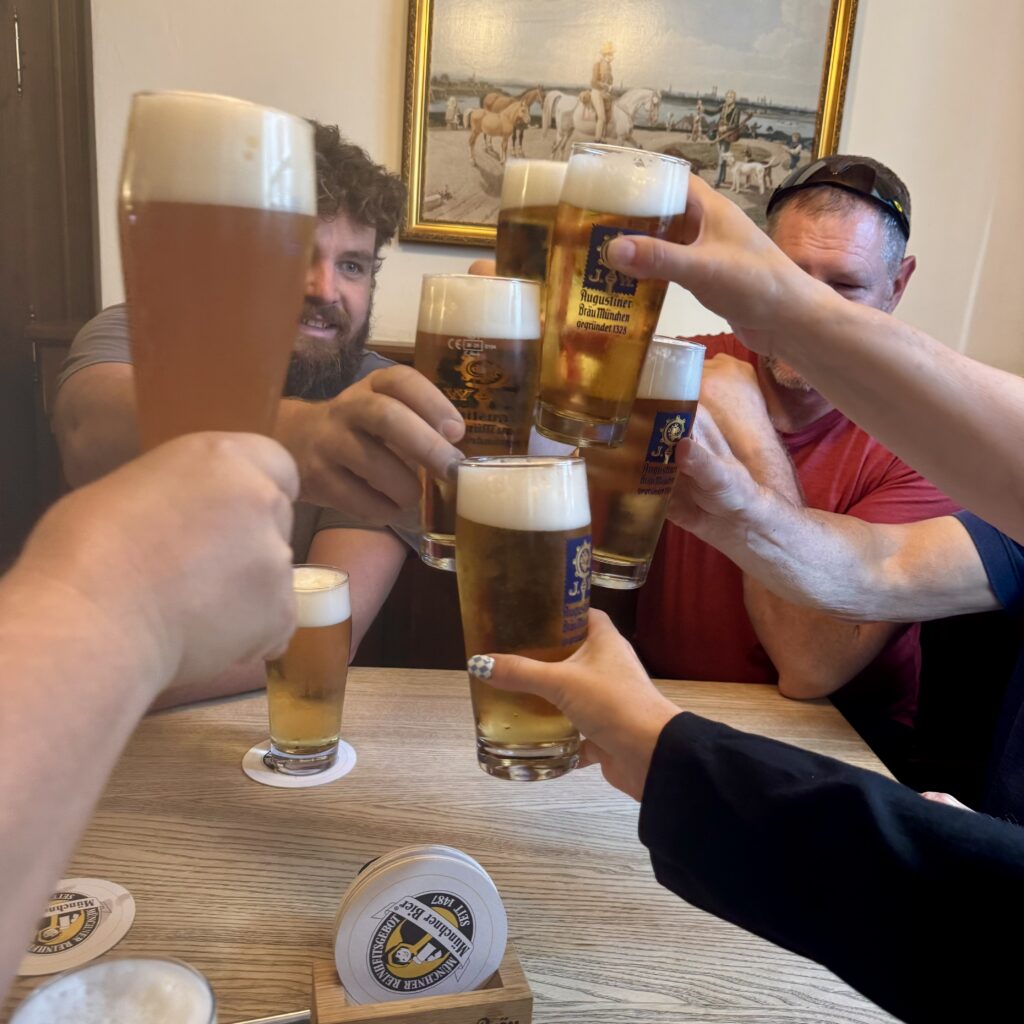
And we think Bavarian beer is some of the best in the world!
There’s something about a well-made Bavarian beer that tastes so clean, crisp and incredibly delicious.
From the light, refreshing Helles to the darker, maltier Dunkel and traditional wheat beers known as Weissbier, there’s plenty of variety to discover.
But our personal favorite? Festbier!
Traditionally brewed for Oktoberfest, Festbier is a smooth, golden lager with a wonderful balance of malt flavor and drinkability. And enjoying one in a lively Oktoberfest tent is an experience all its own!
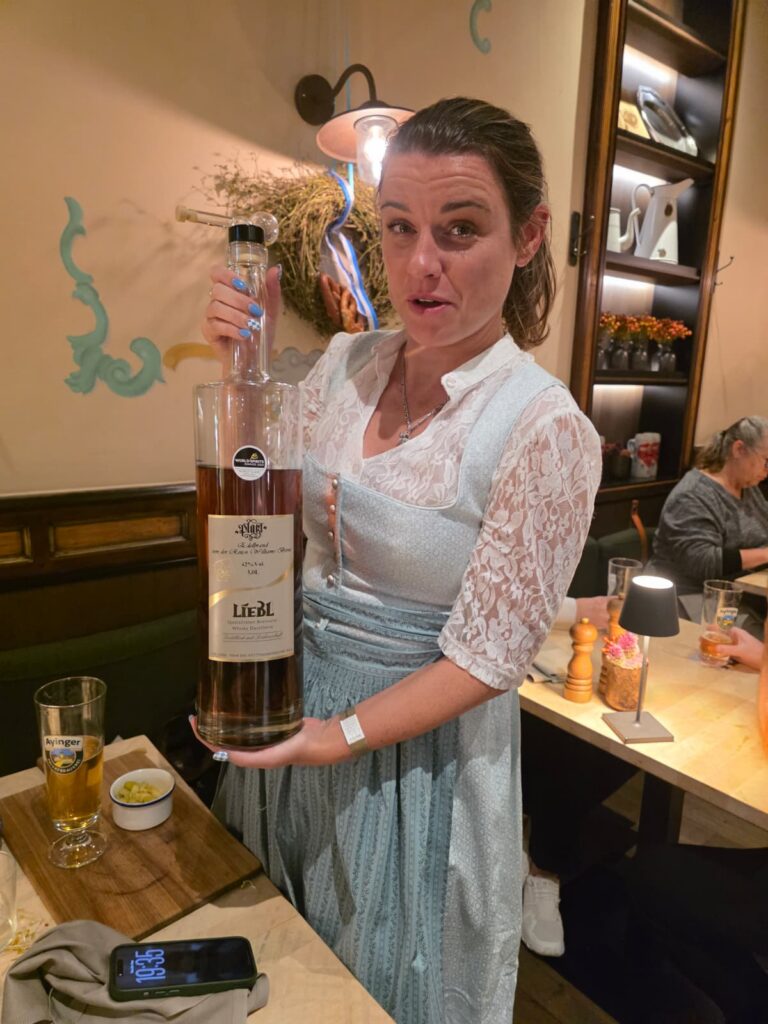
Bavarian Schnapps… yes.
Beer may get most of the attention, but it’s certainly not Bavaria’s only traditional drink!
schnapps is another part of the region’s drinking culture. These distilled spirits are often made from fruits such as pears, apples, plums or cherries, although herbal varieties are also popular.
Traditionally served in small glasses, schnapps is often enjoyed after a hearty meal.
And, of course, you don’t have to drink alcohol to enjoy Bavaria. Between the incredible food, historic towns and cultural experiences, there’s plenty for everyone to discover!
Royal Bavaria: King Ludwig II & Neuschwanstein Castle
Few places capture the imagination quite like Neuschwanstein Castle. Perched above the Bavarian countryside and surrounded by the Alps, it looks like something straight out of a fairytale.
But to truly appreciate Neuschwanstein, and much of Bavaria’s royal history, you need to understand the fascinating story of King Ludwig II.
The Fascinating Story of King Ludwig II
King Ludwig II became king of Bavaria in 1864 at just 18 years old, during a period of enormous political change. Bavaria would eventually become part of the German Empire in 1871, reshaping the kingdom’s independence and Ludwig’s role as monarch.
Ludwig was fascinated by medieval legends, art, architecture and the operas of Richard Wagner. His romantic imagination inspired several extraordinary building projects, including Neuschwanstein Castle, Linderhof Palace and Herrenchiemsee Palace.
Construction of Neuschwanstein began in 1869. Although designed to resemble a medieval castle, it incorporated surprisingly modern technology for its time.
However, Ludwig’s reign came to a dramatic end in 1886 when he was declared mentally unfit to rule and removed from power. Shortly afterward, he and his physician were found dead in Lake Starnberg under circumstances that remain debated today.
Ironically, the king’s extravagant building projects, once controversial, are now among Bavaria’s most beloved attractions.
And here’s another royal connection: the Crown Prince Ludwig whose wedding inspired the first Oktoberfest in 1810 was Ludwig II’s grandfather, King Ludwig I!
Exploring Neuschwanstein Castle
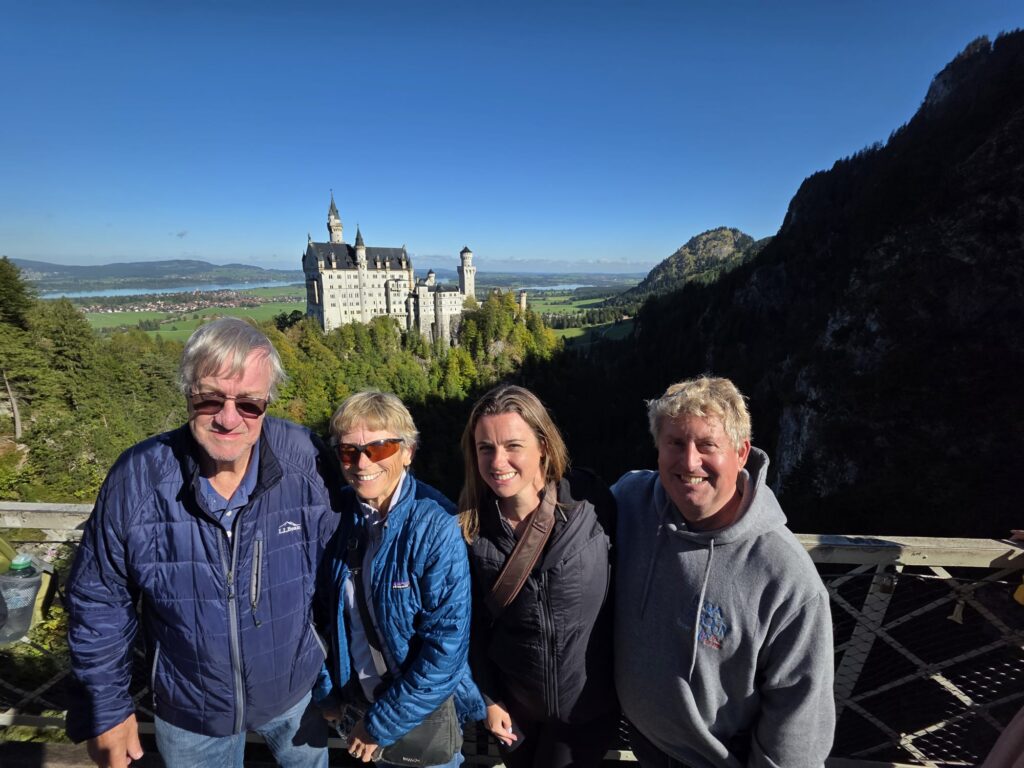
Understanding Ludwig’s life made our visit to Neuschwanstein so much more meaningful.
Rather than simply admiring a beautiful castle, we gained an appreciation for the king’s imagination, the political challenges of his reign and the extraordinary legacy he left behind.
And, of course, the Alpine scenery was absolutely breathtaking!
Some of our guests also ventured across the spectacular Highline179 suspension bridge in nearby Austria, adding another memorable adventure to the day.
Neuschwanstein was undoubtedly one of our favorite experiences of the entire trip. It’s a perfect example of why we love combining history, culture and adventure in our Cool People Trips!
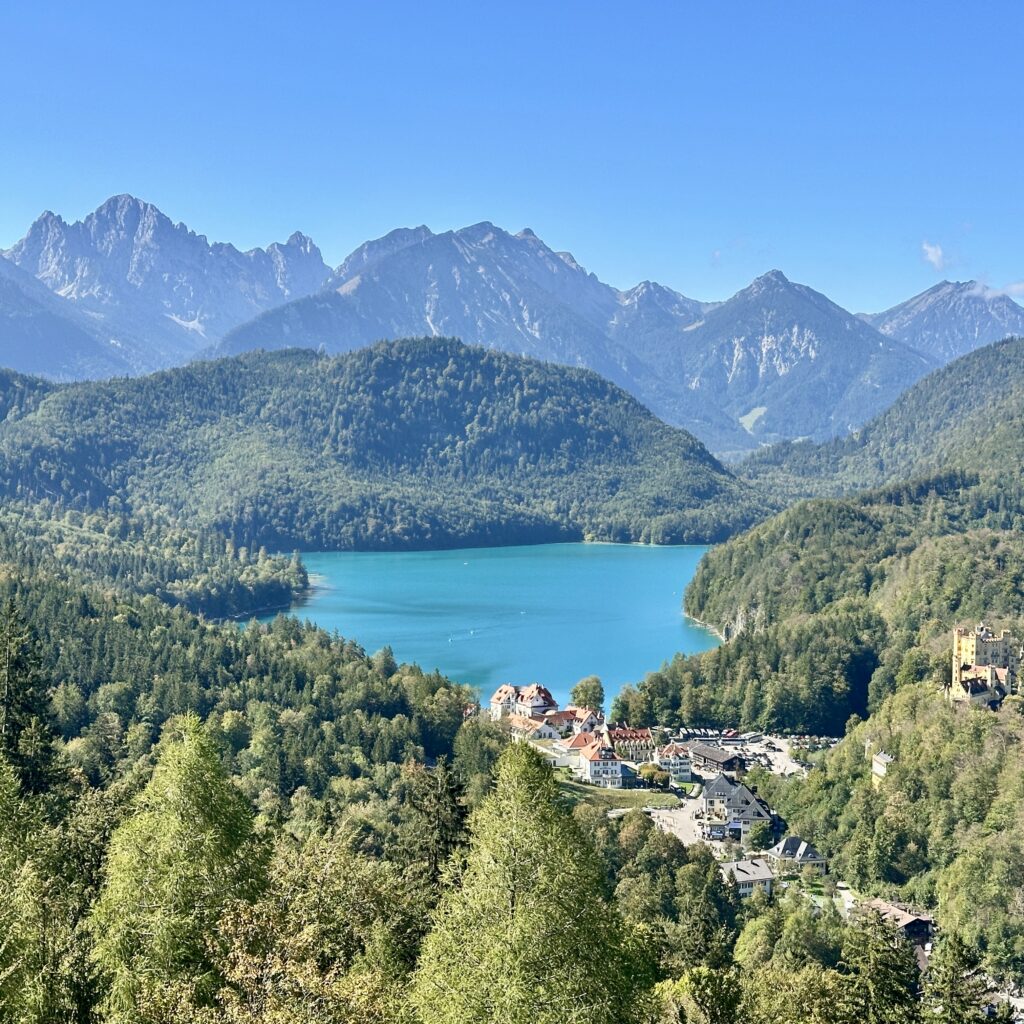
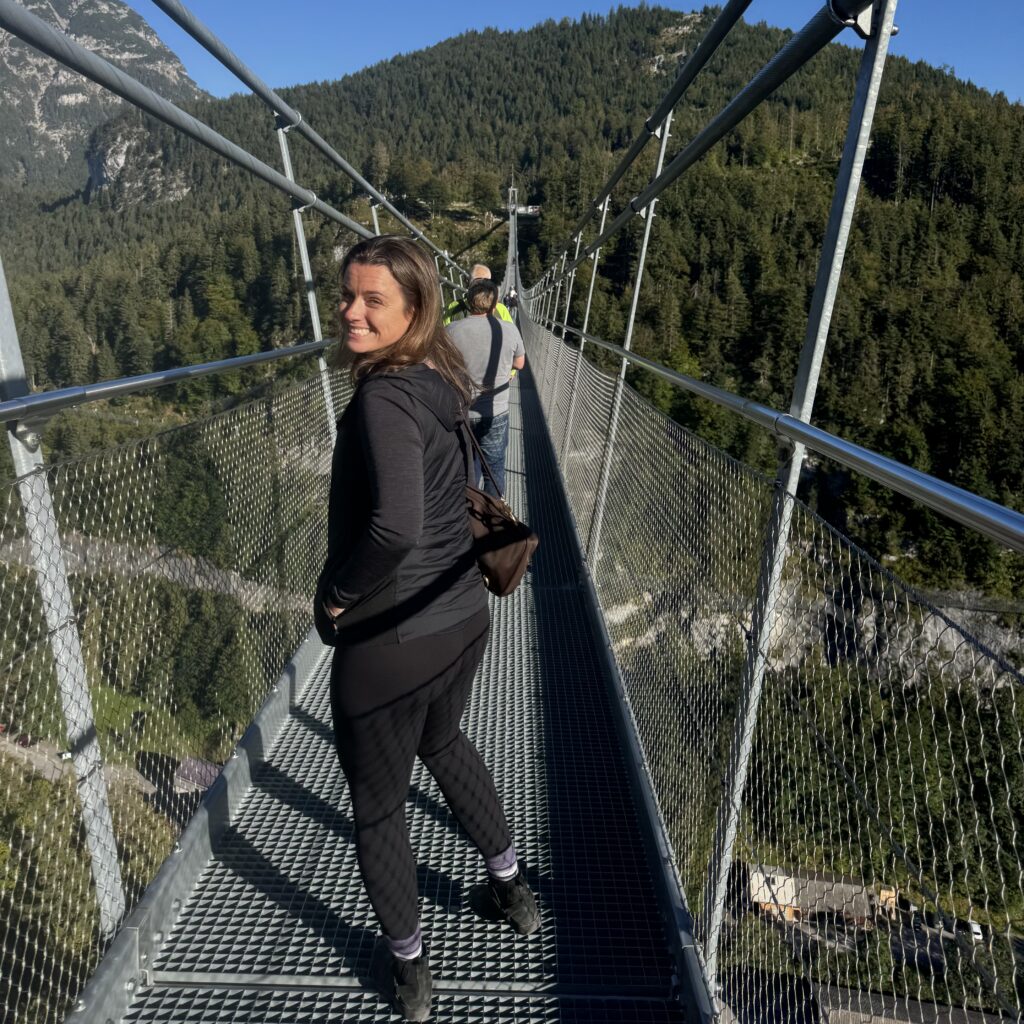
And we couldn’t have asked for better weather!
Neuschwanstein is spectacular on its own, but having beautiful weather made the entire experience even more memorable. The surrounding Alps, the views across the Bavarian countryside and the castle itself were absolutely breathtaking.
It’s one of those places where the weather can really shape your experience, and we were incredibly fortunate to see it under such wonderful conditions.
Between the fascinating history of King Ludwig II, the incredible scenery and a little luck with Mother Nature, this was easily one of our favorite days of the entire trip!
BMW Welt: A Different Side of Bavaria
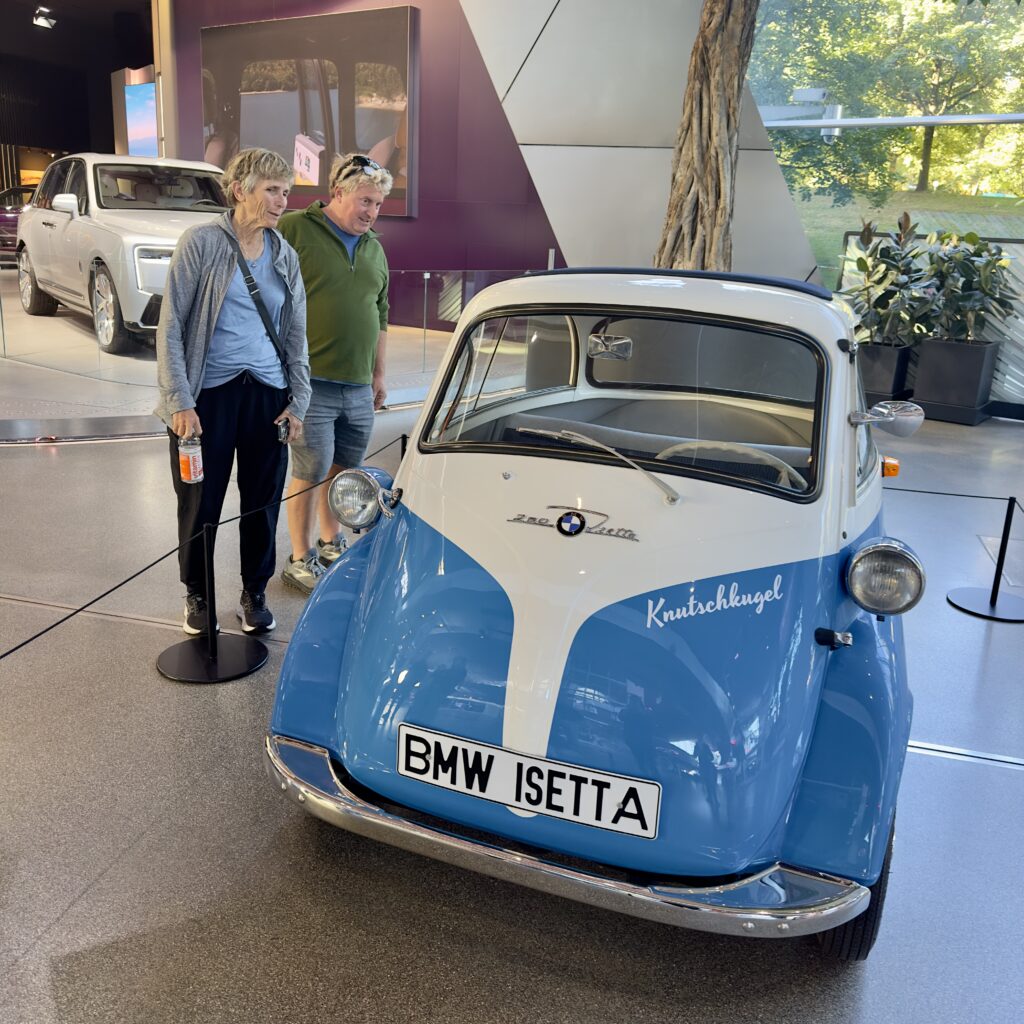
After exploring fairytale castles and centuries-old traditions, our visit to BMW Welt offered a completely different perspective on Bavaria.
BMW’s history dates back to 1916, and the company has become one of Munich’s most recognizable names. At BMW Welt, we explored modern automotive design and engineering, experiencing a different side of the region’s identity.
It was a fun contrast to the castles, historic towns and traditional breweries we’d experienced earlier in our adventure!
A Free Day to Explore Munich
One thing we love about group travel is giving everyone a little freedom to explore their own interests.
During our time in Munich, we included a free day so guests could choose how they wanted to spend their time.
For history enthusiasts, Munich has a fascinating and complex past, including its role in the rise of the Nazi Party. The Dachau Concentration Camp Memorial Site, located just outside the city, offers an important opportunity for remembrance and education.
Other options included exploring Munich’s historic old town, visiting museums, enjoying local restaurants or simply relaxing.
And, of course, there was always the option to return to Oktoberfest!
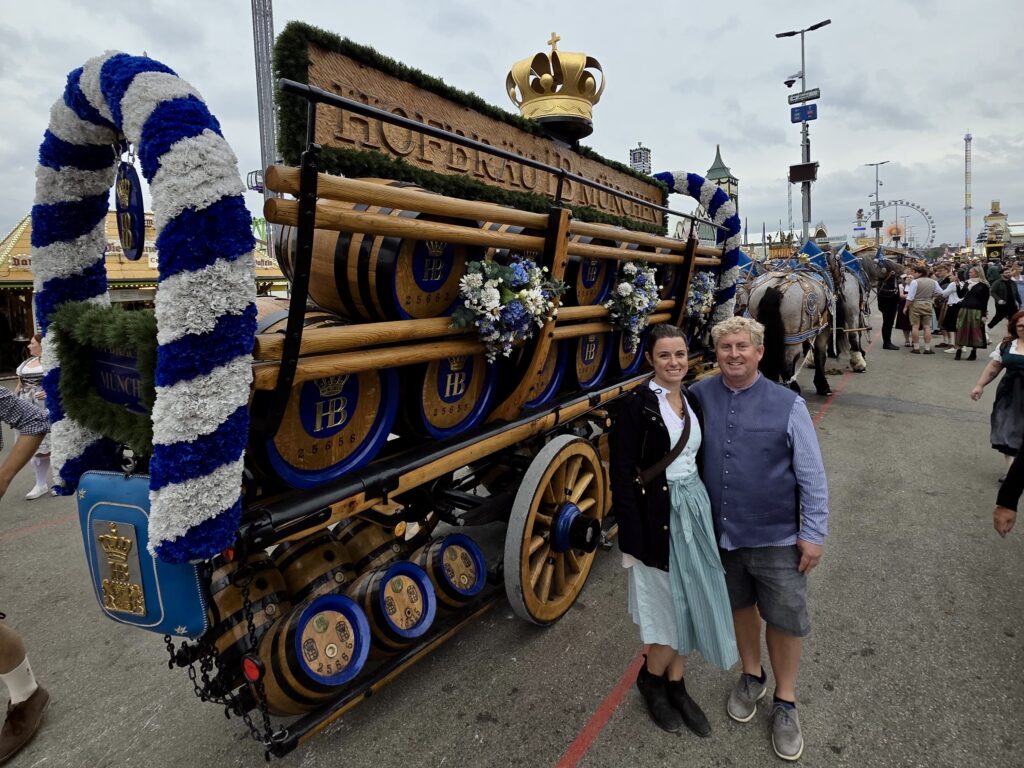
One More Round at Oktoberfest!
This time, the atmosphere was noticeably quieter, giving us a chance to explore the festival grounds at a more relaxed pace.
Without the enormous crowds, we could wander between tents, appreciate the elaborate decorations and experience different sides of Oktoberfest beyond our original reservations.
Each tent has its own personality, and it was fun discovering more of what the festival has to offer.
And after experiencing Oktoberfest at its liveliest, this quieter visit was a wonderful way to wrap up our time in Munich.
What’s Next? We’re Heading Back to Bavaria!
After such an incredible week, it’s safe to say we haven’t had enough of Bavaria!
From the excitement of Oktoberfest and the fascinating history of King Ludwig II to the beautiful Bavarian Alps, traditional breweries and unforgettable moments with our group, this adventure gave us plenty of reasons to return.
And that’s exactly what we’re doing in 2027!
We’re taking what we learned from this year’s adventure and making a few improvements along the way, including building more flexibility into our time in the Bavarian Alps. After all, mountain weather doesn’t always cooperate, and we’d love to give everyone the best opportunity to experience Zugspitze!
We had an amazing time with our first group of Cool People, and we can’t wait to bring a fresh batch of adventurers to Bavaria next year.
Whether Oktoberfest has been on your bucket list for years or you’re interested in discovering Bavaria’s castles, history and culture, we’d love to have you join us!
Prost to new adventures, new friendships and another unforgettable year in Bavaria!