


If you love travel, culture, and celebration, few experiences compare to Oktoberfest in Munich and Carnaval in Rio de Janeiro. We’ve been to both, and trust us—each is unforgettable in its own way. Both are world-famous, both are once-in-a-lifetime parties, and both are on our travel calendar. But the similarities stop there—Oktoberfest and Carnaval couldn’t feel more different. Here’s how they stack up.


The BackDrop
Munich, Germany: When you’re not in the tents, you’ve got fairy-tale castles like Neuschwanstein, Alpine adventures, museums, and cozy beer gardens. Munich balances charm, history, and outdoor adventure.

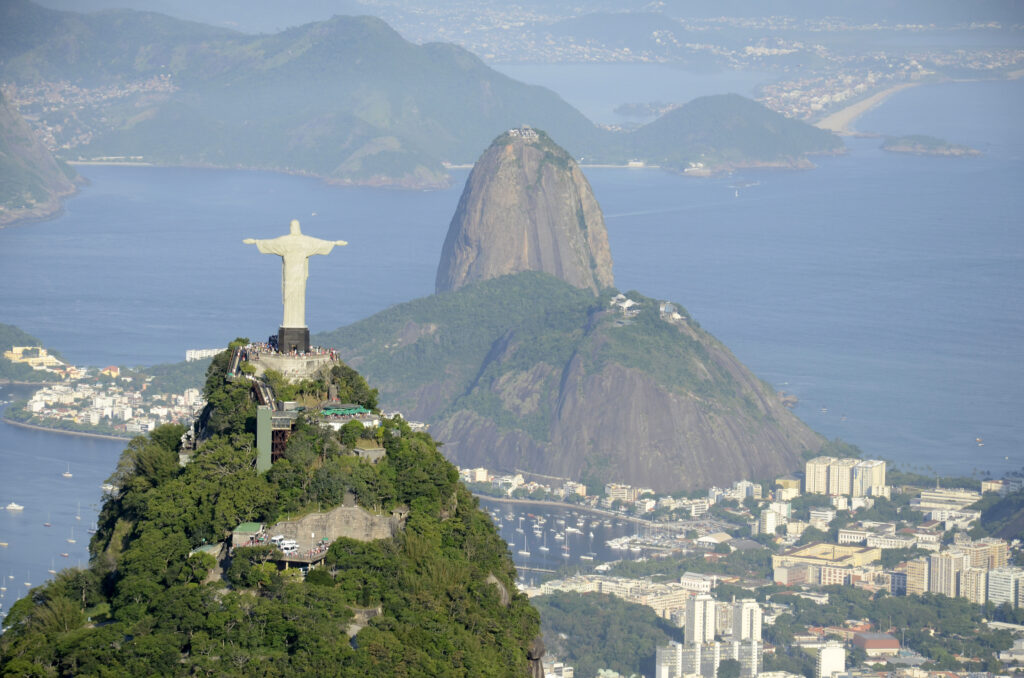
Rio de Janeiro, Brazil: Few cities are as iconic—Christ the Redeemer, Sugarloaf Mountain, and golden beaches like Copacabana and Ipanema are all part of the Carnaval setting. Between parades, you can hike, surf, or simply soak up the samba spirit.
The History

Oktoberfest (Munich, Germany)
Oktoberfest began in 1810 to celebrate Crown Prince Ludwig’s wedding. Held annually from late September to the first weekend in October – Over time, it grew from a royal celebration with horse races into the world’s largest beer festival, centered on Bavarian traditions, hearty food, music, and beers brewed under the Reinheitsgebot, Germany’s 500-year-old purity law.
Carnaval (Rio de Janeiro, Brazil)
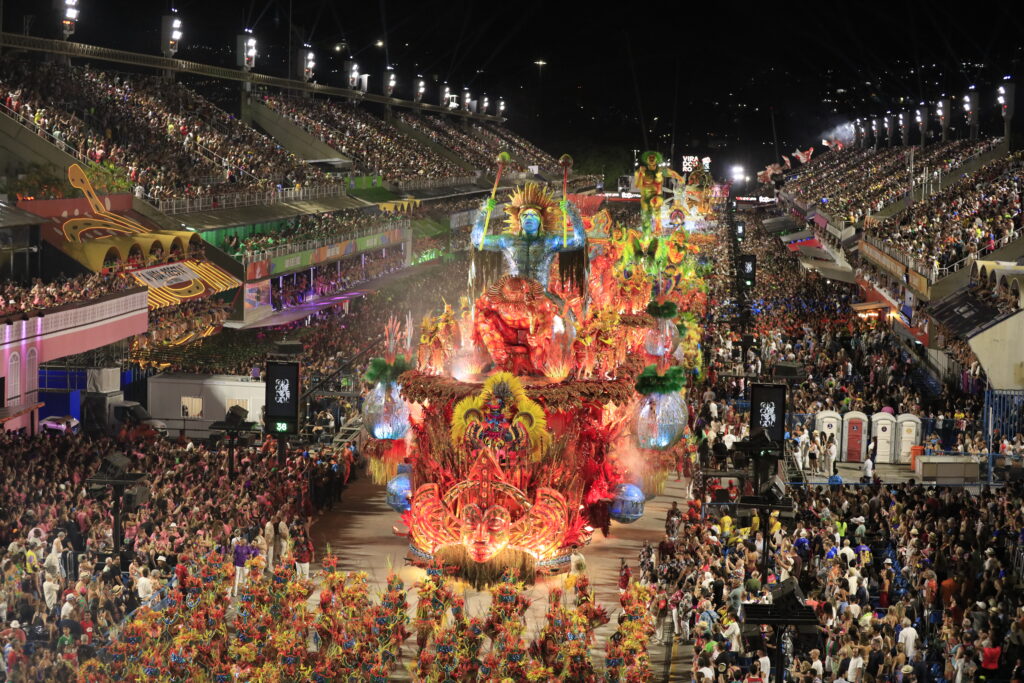
Carnaval started as an 18th-century pre-Lenten celebration blending Catholic and Afro-Brazilian traditions. Celebrated in late February or early March, Rio’s Carnaval lasts about five days, culminating in the highly competitive Samba Parade at the Sambadrome, alongside endless street parties (blocos) and nonstop music that keeps the city alive day and night.
The Atmosphere
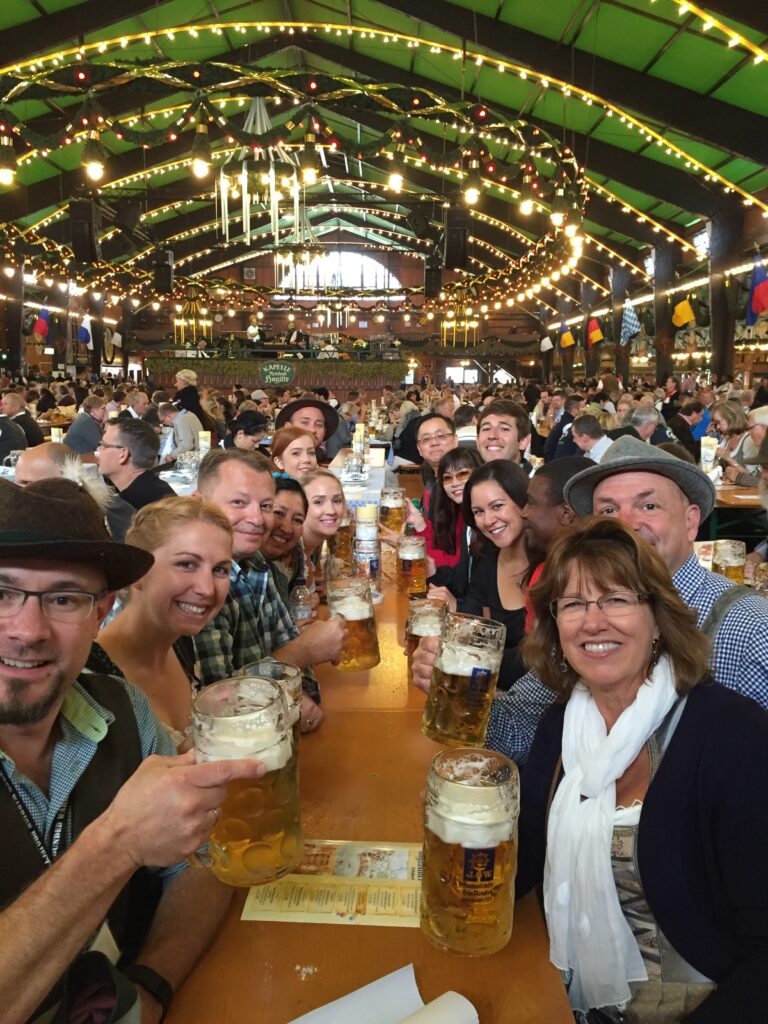
Oktoberfest is all about cozy camaraderie. Picture long wooden tables in lively beer tents, Bavarian bands playing traditional tunes, and strangers becoming fast friends over steins of beer. It’s festive, warm, and rooted in community.
It’s all about the beer tents—17 massive halls, each with its own character, music, and menu. From lively singalongs to traditional brass bands, the tents are where new friendships are born.
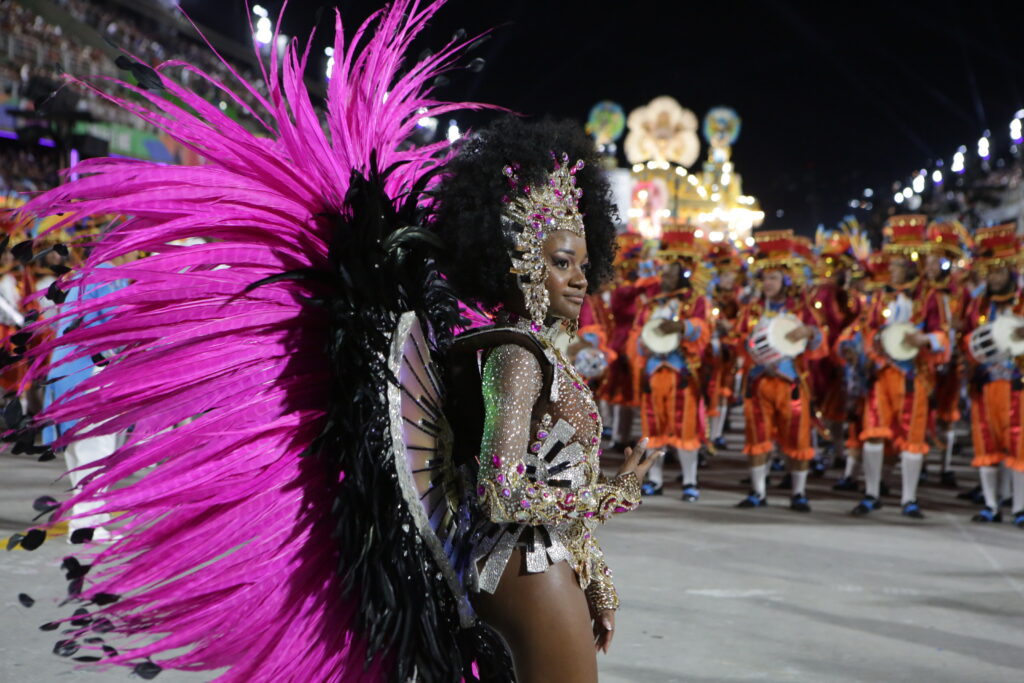
Carnaval, on the other hand, is pure high-octane energy. The city bursts into life with parades, blocos (street parties), samba clubs, and dazzling costumes. The music doesn’t just play—it consumes the streets, pulling everyone into the rhythm.
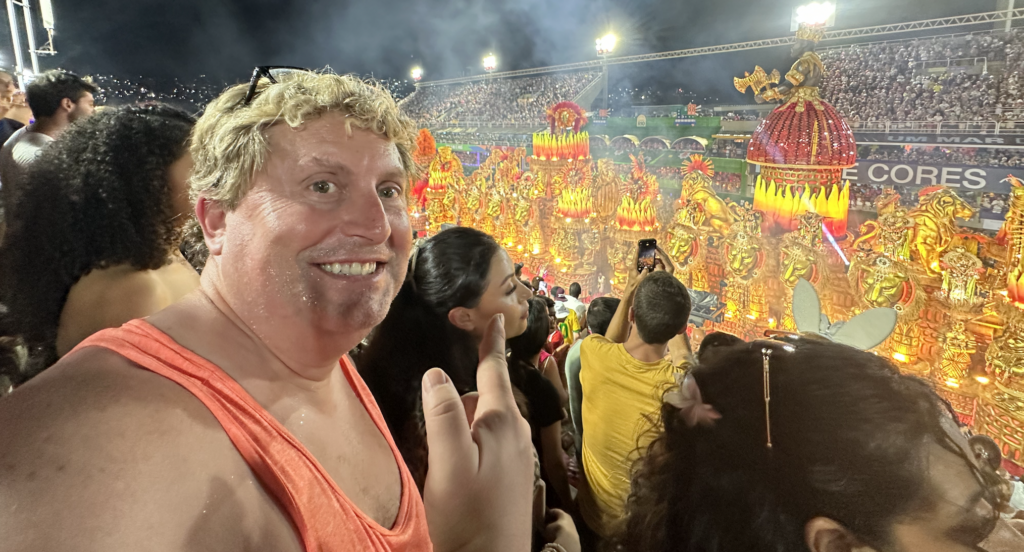
The crown jewel is the Samba Parade competition at the Sambadrome, where samba schools battle it out with elaborate floats, dazzling costumes, and nonstop music. Tickets are highly coveted, and the energy is unmatched.
Carnaval, by contrast, is nonstop spectacle—parades, samba clubs, street parties, and a rainbow of costumes that keep the energy alive around the clock.
Carnaval never stops. The celebration rolls day and night. The parade itself doesn’t start until 10pm!
Size of the Party
Oktoberfest: Every fall, more than 6 million people flock to Munich to raise a stein and join the world’s biggest beer festival. The weekends can bring in 1+ million visitors.
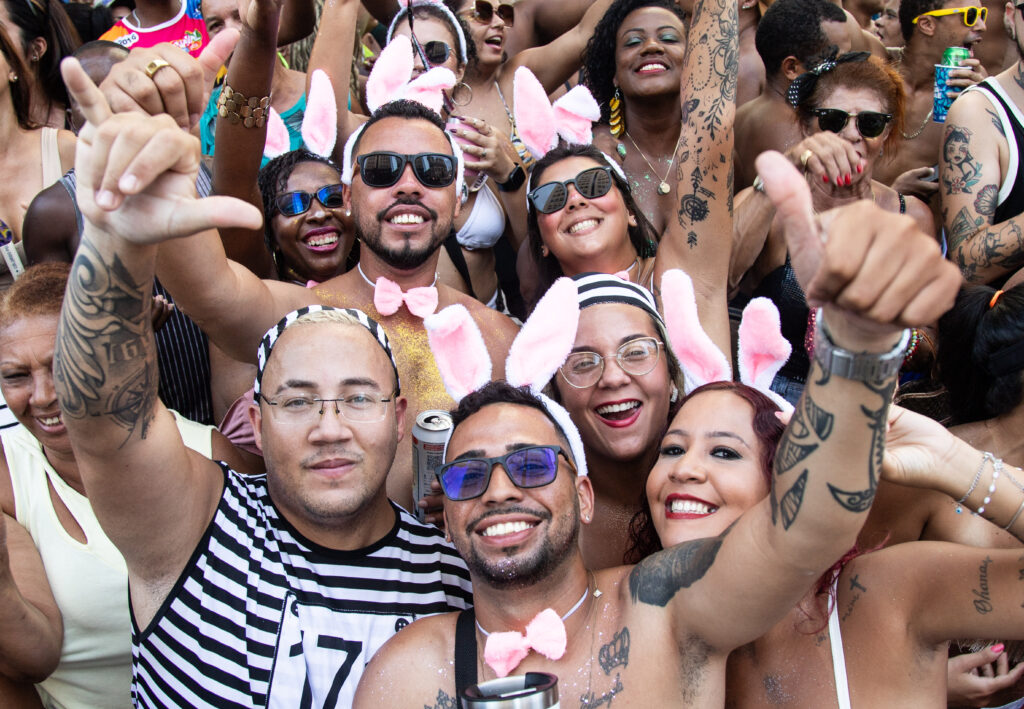
Rio goes even bigger—an estimated 2 million people per day fill the streets during Carnaval, making it the largest festival in the world. Some blocos can attract 30,000+ people!
Food & Drink

Oktoberfest is all about hearty Bavarian fare: pretzels the size of your head, roasted chicken, bratwurst, schnitzel, and, of course, the beer brewed under the Reinheitsgebot
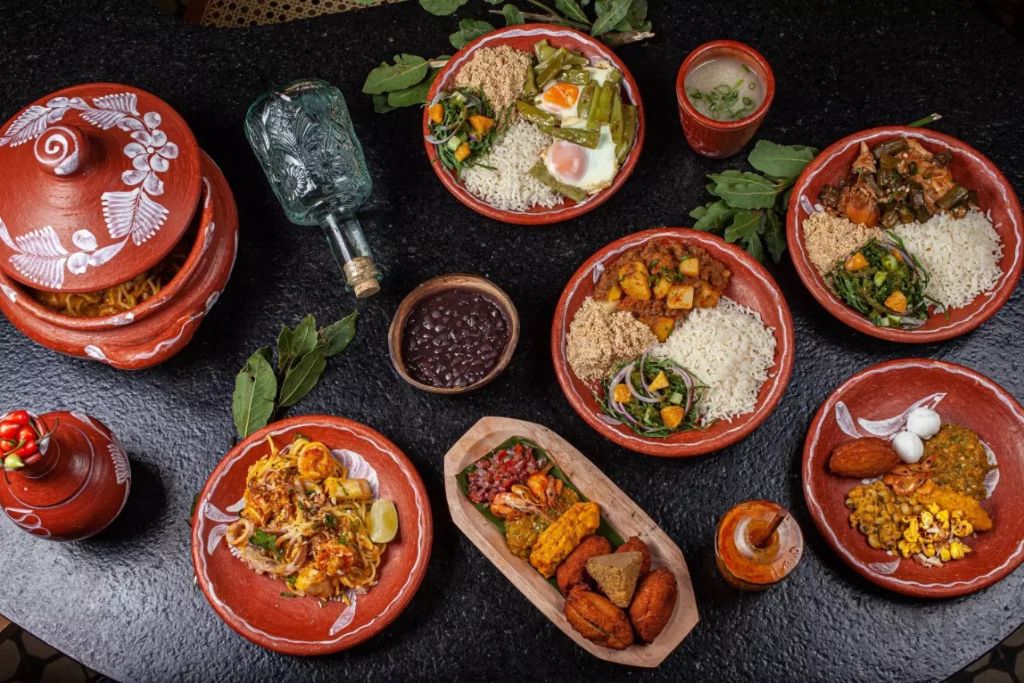
Carnaval’s flavors are tropical and bold: feijoada, fried pastel, fresh fruit, and sweet, refreshing caipirinhas. Cariocas also really enjoy a cold beer… But we personally think German beer is better.
So, Which One Do You Choose?
If you love German beer, tradition, and making fast friends in a “cozy” setting,It’s less about competition and more about camaraderie—sharing songs, tables, and steins with new friends from around the world. Oktoberfest is your festival. Dirndls and Lederhosen are also quite fashionable!
If you’re drawn to music, dance, and high-energy street parties, scenic views and LOTS of glitter, Carnaval will sweep you off your feet. It’sColorful, competitive, and electric. The parades are serious business, with samba schools spending a year preparing to wow the crowds. The result? A spectacle that pulses with energy 24/7.
The truth is,
you don’t have to. Both Oktoberfest and Carnaval deserve a place on your bucket list, and the best part? We host group trips to both. Whether you want to raise a stein in Munich or samba through the streets of Rio, we’ve got your spot saved – but it won’t last for long!