

Shark Week may be wrapping up, but for ocean lovers, divers, and conservationists, the mission is just beginning.
This week reminded us how powerful sharks truly are — not just as apex predators, but as icons of a thriving ocean. It also reminded us how misunderstood they continue to be.
At Global Adventures for Scuba Divers, we believe that diving with sharks is one of the most humbling, awe-inspiring, and important experiences you can have underwater. And it’s something we think more people should do — safely, ethically, and often.
Why Sharks Matter
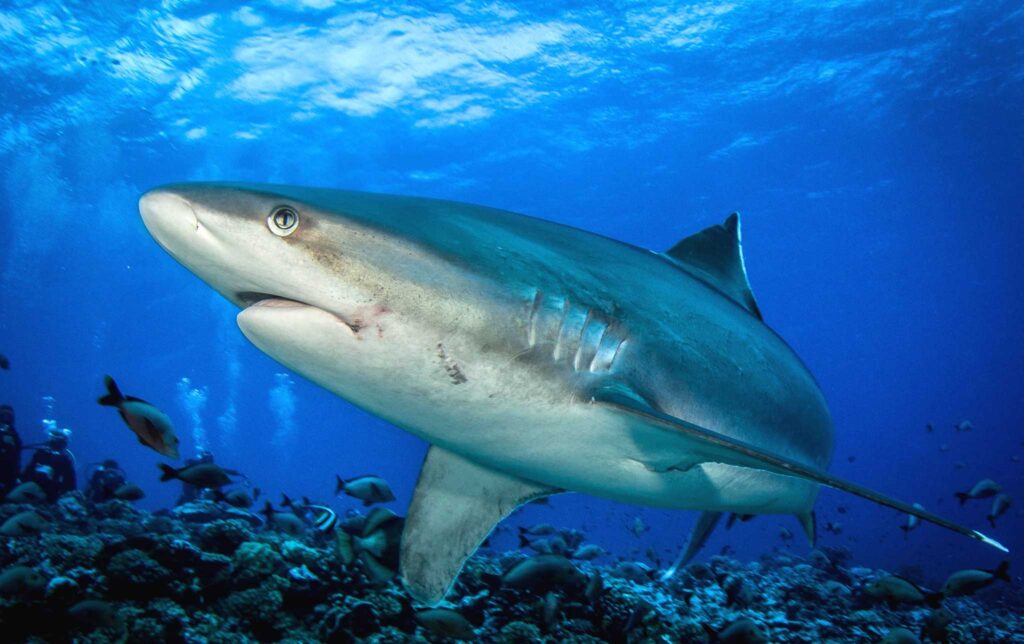
Sharks keep the ocean in balance. As apex predators, they:
- Regulate prey populations
- Help maintain healthy coral reef systems
- Signal biodiversity and ecosystem health
When shark populations are strong, oceans thrive. But when they’re in decline, the entire marine food web can unravel.
Unfortunately, that’s what we’re seeing today.
The Biggest Threats to Sharks
Despite surviving for over 400 million years, many shark species are now critically endangered. Here’s why:
Overfishing & Shark Finning
Millions of sharks are killed each year just for their fins. Often, their fins are cut off and the bodies discarded at sea.
Bycatch
Sharks are frequently caught accidentally in nets and longlines targeting other fish. Many die before ever reaching the surface.
Destructive Fishing Practices
Trawling and illegal fishing wipe out entire marine habitats, reducing the areas sharks need to hunt and breed.
Habitat Loss & Pollution
Coastal development, plastic pollution, and coral reef degradation are shrinking shark habitats.
Misunderstanding & Fear
Media-driven fear has led to culls and knee-jerk policies that harm shark populations and ignore science.
Read more about threats to sharks here
Sharks reproduce slowly. Many don’t mature for 10+ years and have just a few pups at a time. That means they can’t bounce back quickly from population loss.
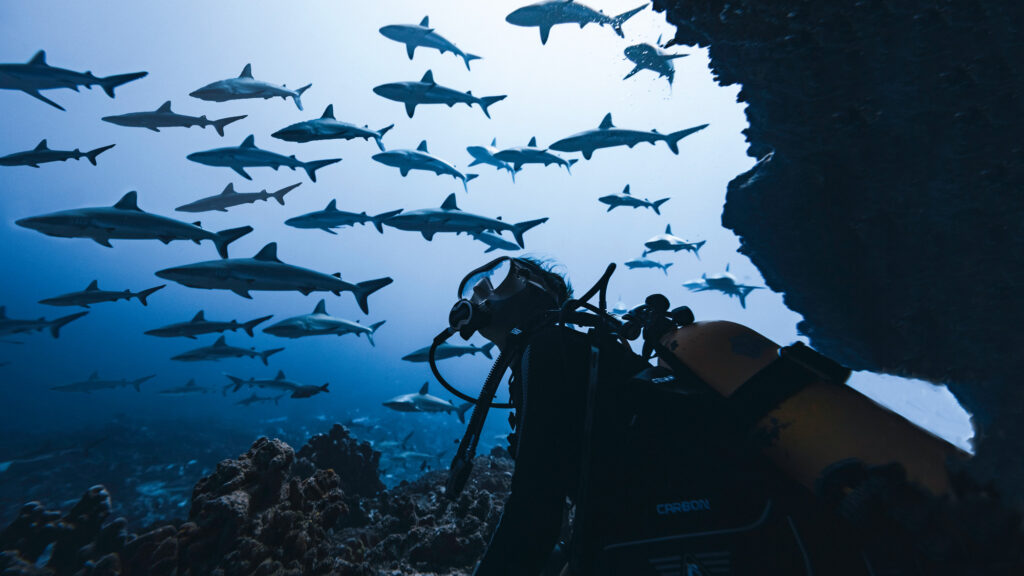

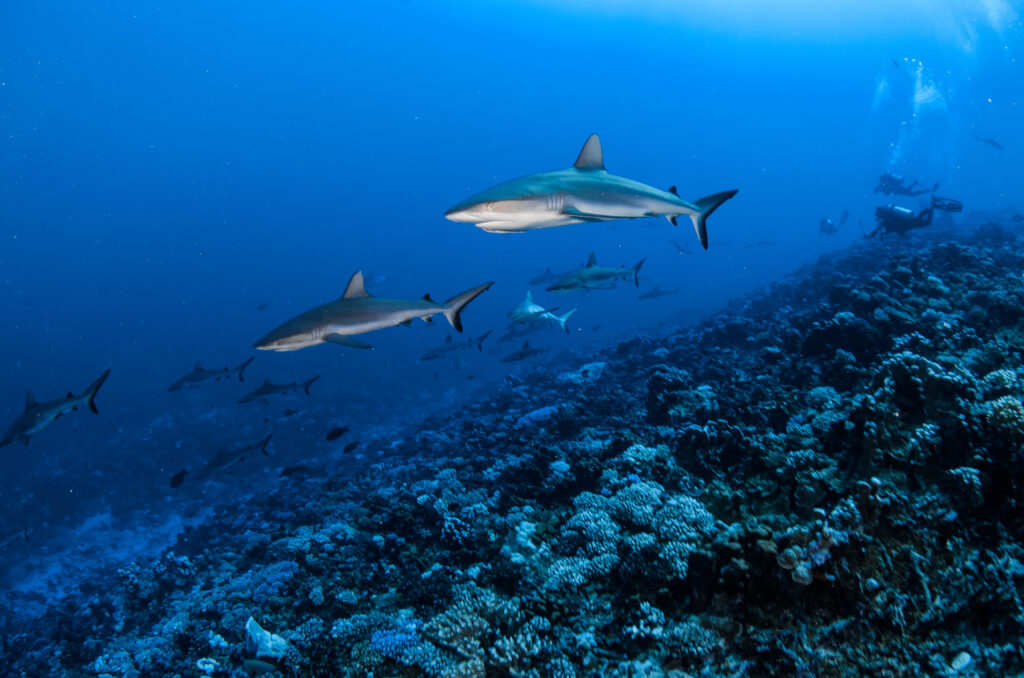
How to Dive with Sharks Safely (and Respectfully)
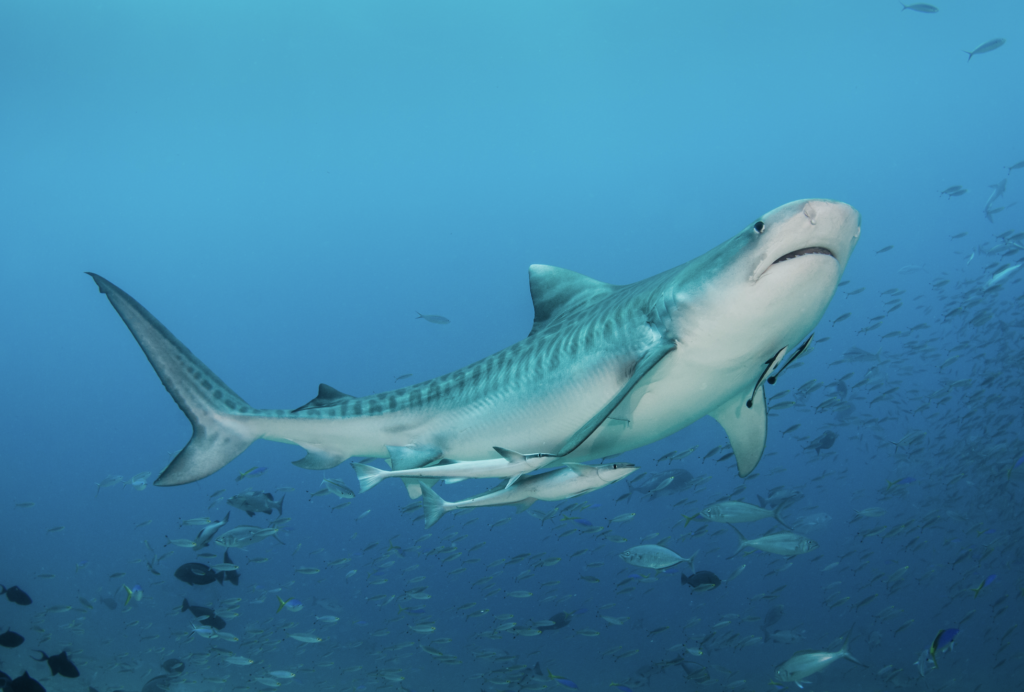

Seeing sharks in the wild is an incredible experience — and yes, it can be done safely and ethically.
- Always dive with reputable operators who follow best practices for wildlife encounters.
- Respect the animals’ space. Let them come to you.
- No feeding, touching, or chasing. Sharks aren’t here to perform.
- Stay calm, neutral, and aware. Avoid sudden movements or crowding.
- Learn local guidelines and the behaviors of the species you might encounter.
We design our shark diving destinations around education, conservation, and responsible interaction.
For tips on best practices: Project AWARE – Shark & Ray Tourism Guidelines
Final Thoughts: Keep Shark Week Going
Shark Week might be ending, but our commitment to sharks is year-round. Every encounter is a chance to change hearts, shift perspectives, and support ocean health.
We invite you to join us on one of our shark-focused trips — not just to see sharks, but to understand and protect them.