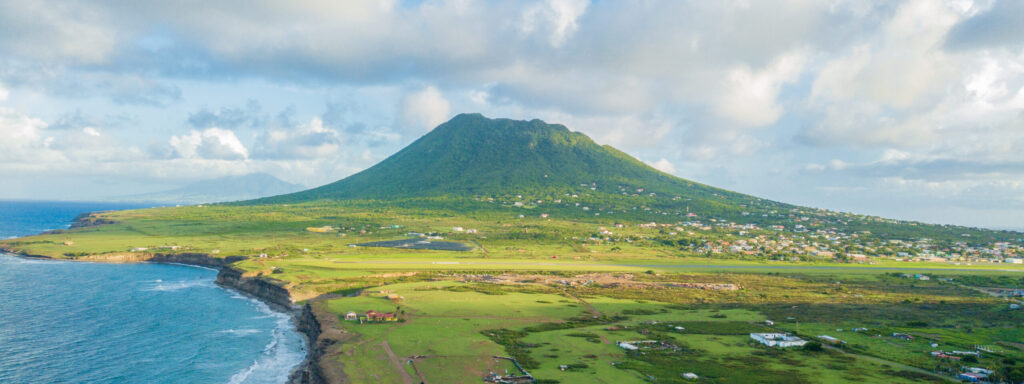

Hidden between St. Kitts and Saba lies one of the Caribbean’s best-kept secrets. Known simply as “Statia,” the small Dutch Caribbean island of St. Eustatius offers healthy reefs, fascinating history, excellent marine life, and a wonderfully relaxed pace of life that feels increasingly rare in today’s world.
Perhaps one of our favorite things about Statia? No cruise ships. No crowds. Just great diving and authentic island charm.
Whether you’re looking for pristine reefs, historic wrecks, underwater photography opportunities, or simply a slower pace of life, here’s everything you need to know about diving in St. Eustatius.
We (Global Adventures for Scuba Divers) recently spent a week diving in St. Eustatius. If you’d like a firsthand look at the experience underwater and around the island, you can read our Statia trip recap.
Getting to Statia
Part of what makes Statia special is that getting there takes a little extra effort.
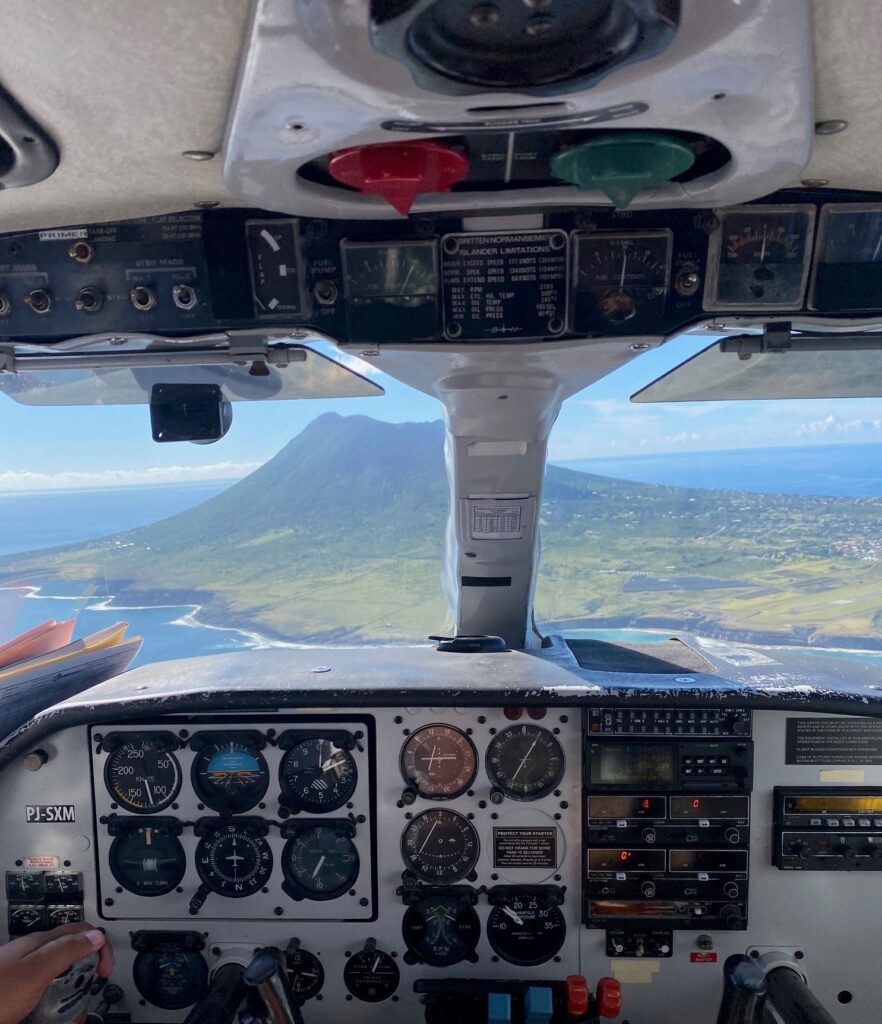
Flying from St. Maarten (SXM)
The easiest and most reliable option is flying from St. Maarten. Flights are quick, although baggage allowances can be strict and costs are generally higher.
Ferry Service from St. Kitts or St. Maarten
Ferries are available from both St. Kitts and St. Maarten and can be a scenic and economical option. However, schedules are limited and crossings are much more dependent on weather and sea conditions. Travelers should allow extra flexibility when planning connections.
Where to Stay
Accommodations on Statia are limited, but that is part of the island’s appeal.
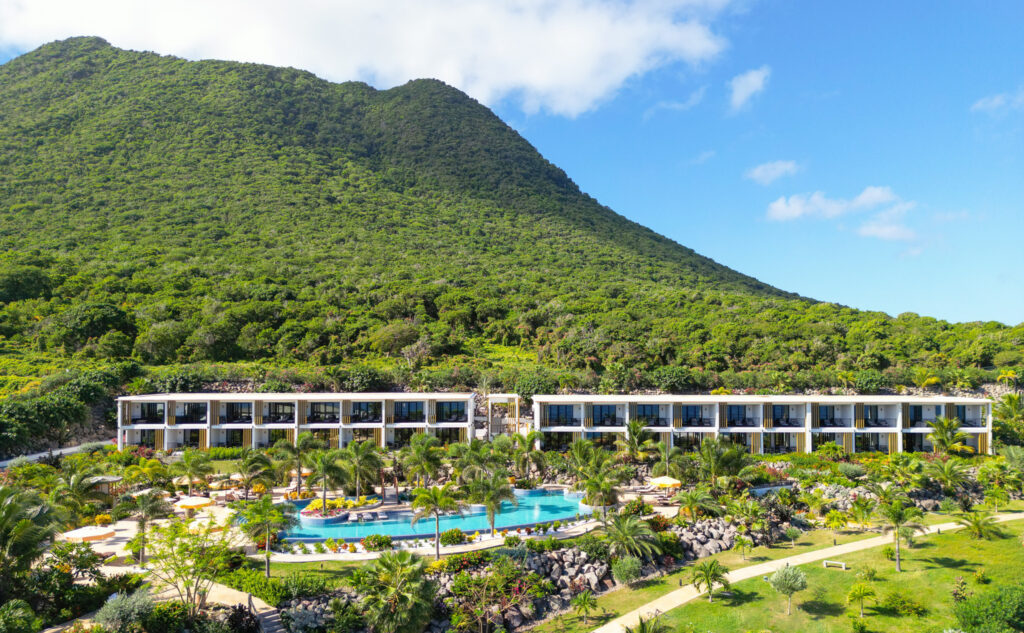
During our visit, we stayed at Golden Rock Resort, a luxury eco-resort recognized as a Michelin Key property and recipient of several sustainability awards. Blending eco-conscious design with upscale amenities, the resort offers a peaceful retreat after a day underwater.
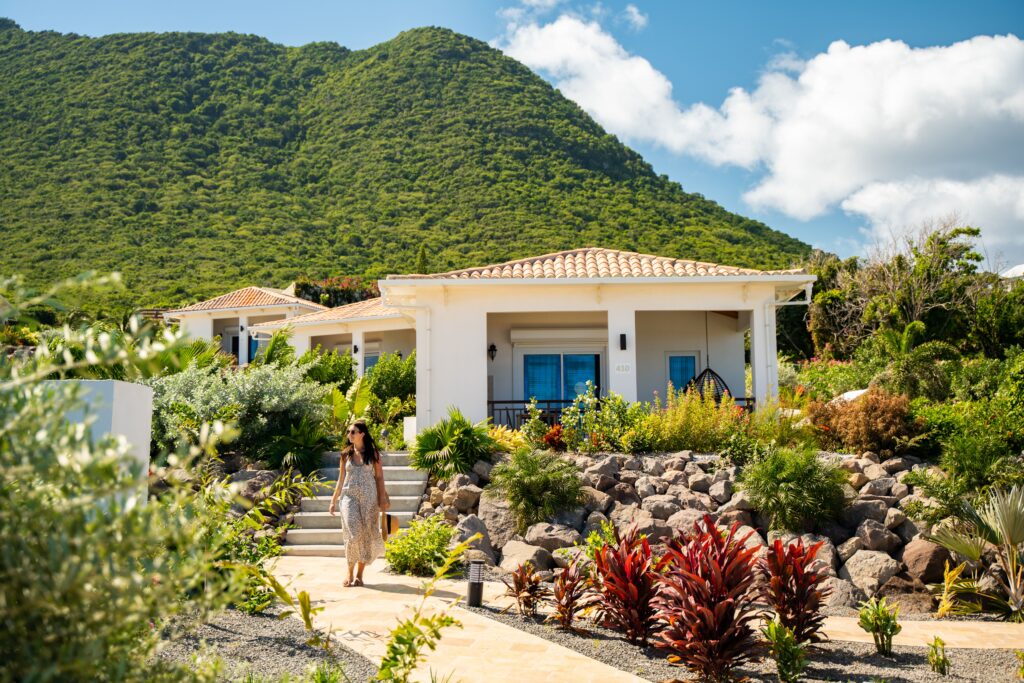
The resort features a variety of room categories, ranging from hotel rooms to spacious villas. We stayed in one of the cottages, which provided the perfect amount of space for divers. One feature we especially appreciated was the private porch, which made drying gear between dives easy and convenient.
While Golden Rock Resort doesn’t offer sunset views, the scenery overlooking the Caribbean Sea and the Quill volcano is stunning.
For those looking to relax between dives, the resort features two large swimming pools, tennis courts, pickleball courts, mini golf, beautifully landscaped grounds, and two on-site restaurants. It is the perfect place to unwind after a day exploring the reefs.
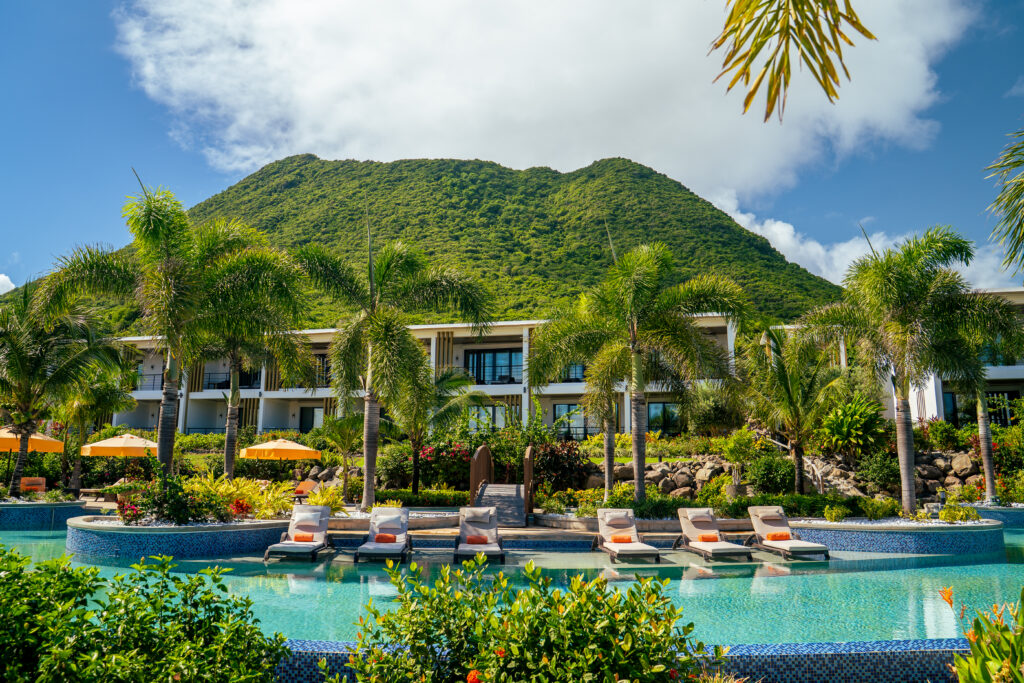
One of the touches we particularly appreciated was the atmosphere throughout the resort. Tastefully selected music played in many of the common areas, creating a relaxing ambiance that complemented the gardens, pools, and views. It was the kind of place where it was easy to slow down, unwind, and simply enjoy being on island time.
Restaurants and Dining
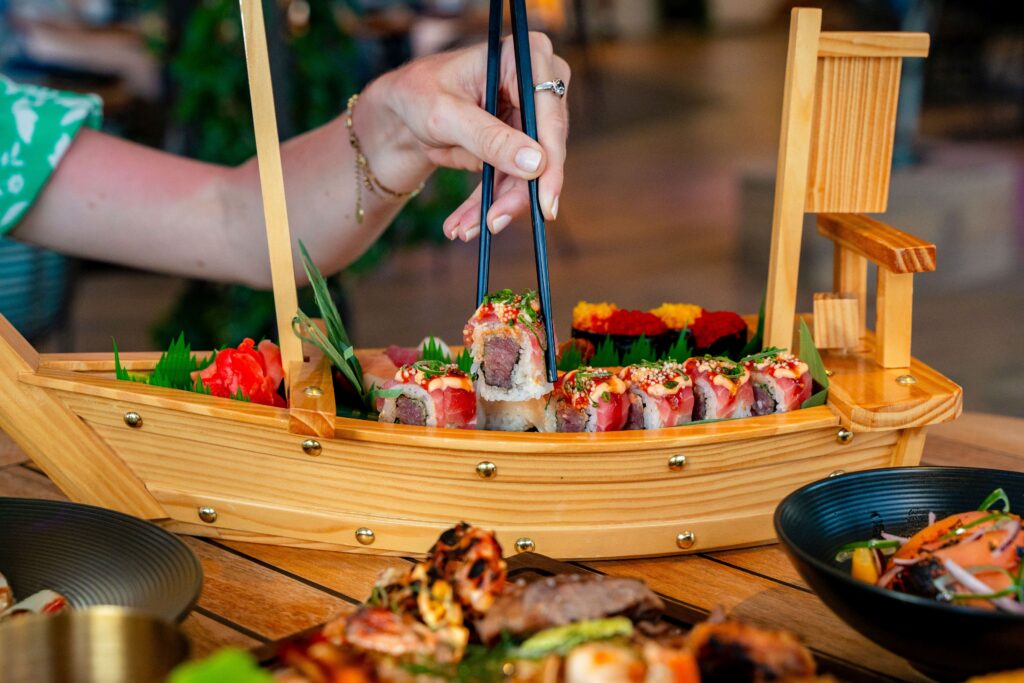
Statia may be small, but we were pleasantly surprised by the quality of the food.
We ate at Golden Rock Resort frequently and thoroughly enjoyed the meals. The desserts quickly became a group favorite and were often the perfect ending to a day of diving.
For sunset views, both the Old Gin House and the Barrel House offer excellent dining experiences overlooking the water. We also enjoyed the local food trucks for lunch after diving.
Diving in Statia
Protected by the Statia National Marine Park, the diving around St. Eustatius consistently ranks among the Caribbean’s best.
Healthy Reefs and Abundant Marine Life
Protected by the Statia National Marine Park, diving around St. Eustatius consistently ranks among the Caribbean’s most rewarding experiences.
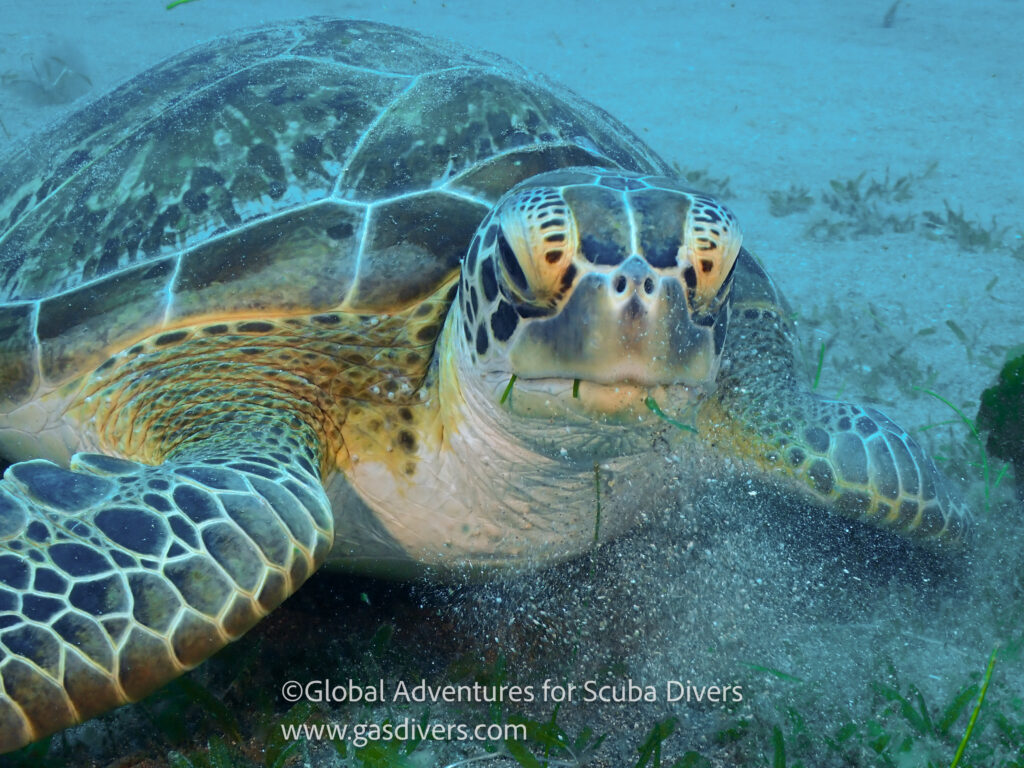
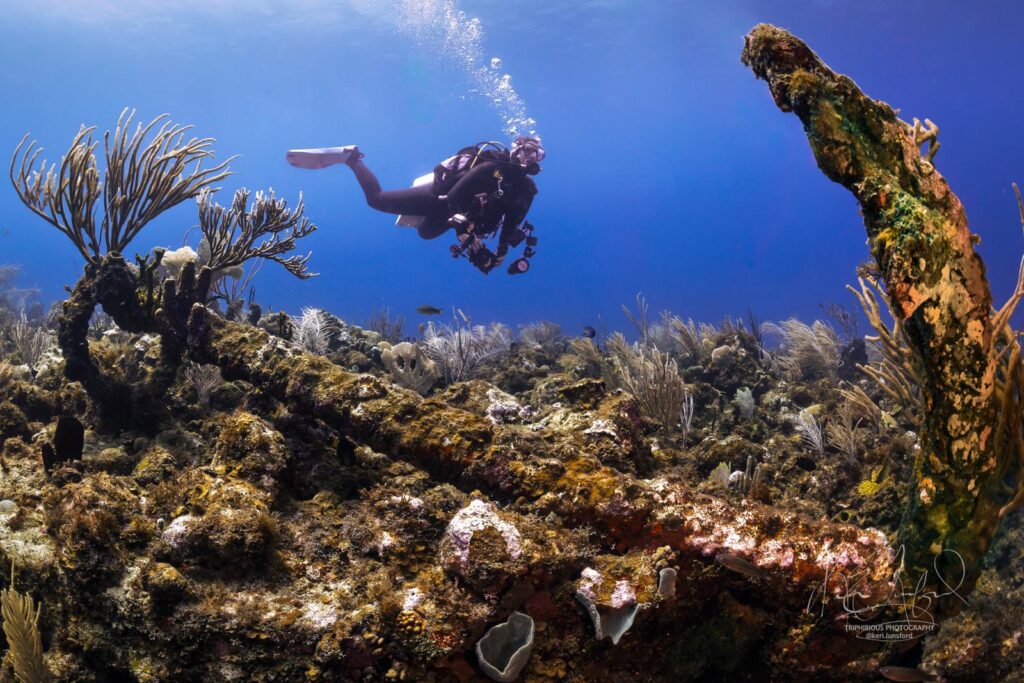
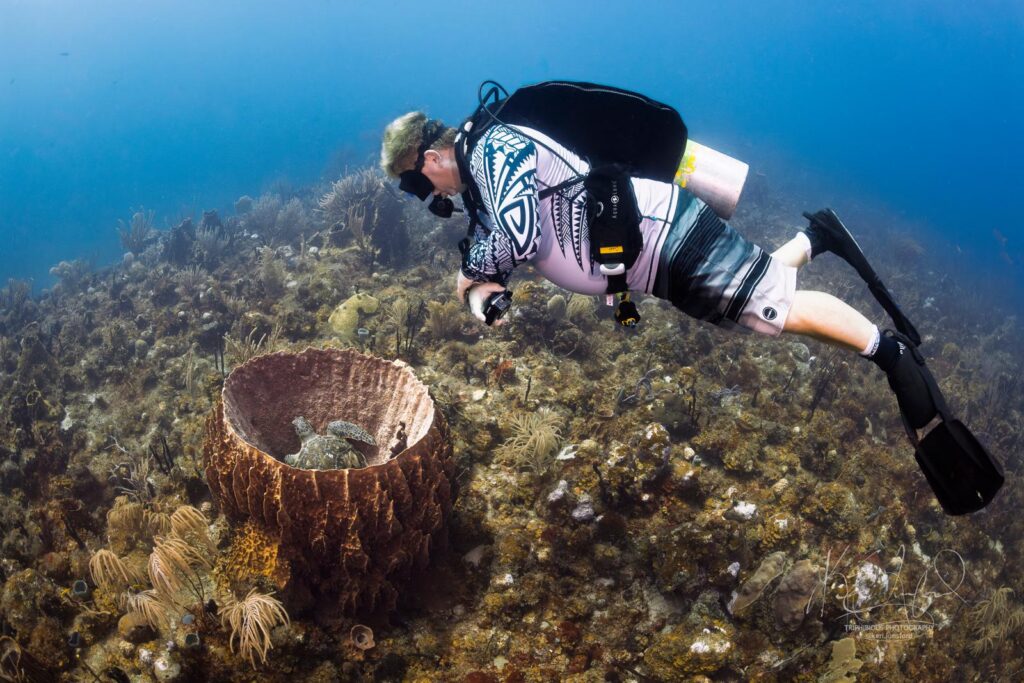
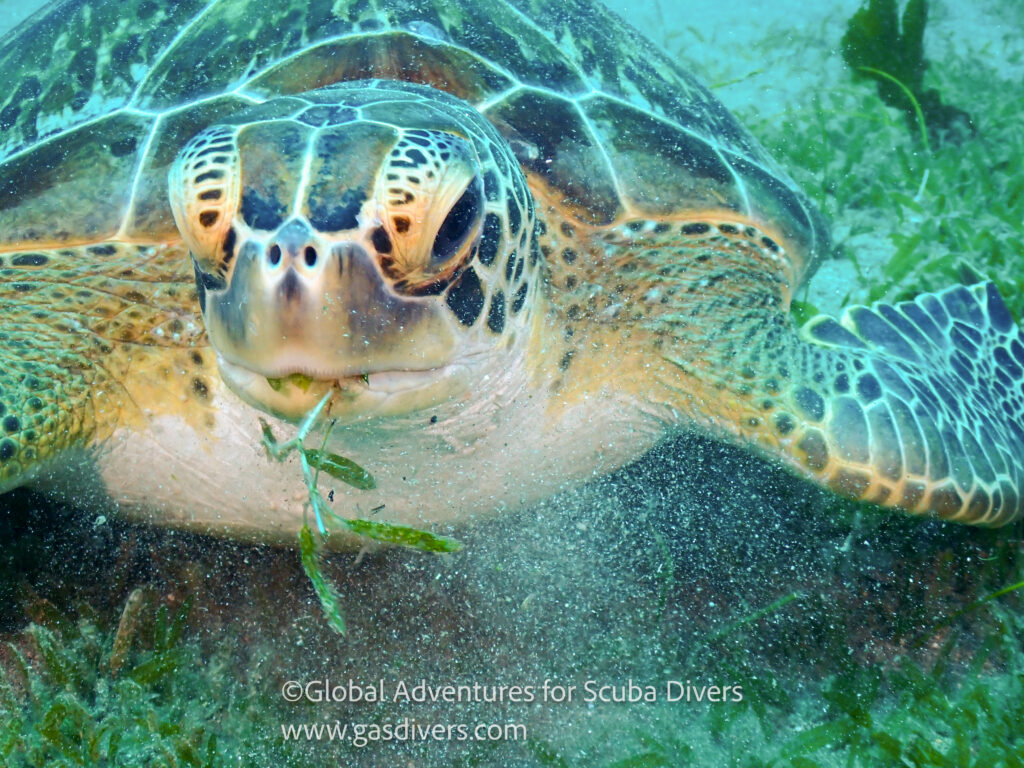
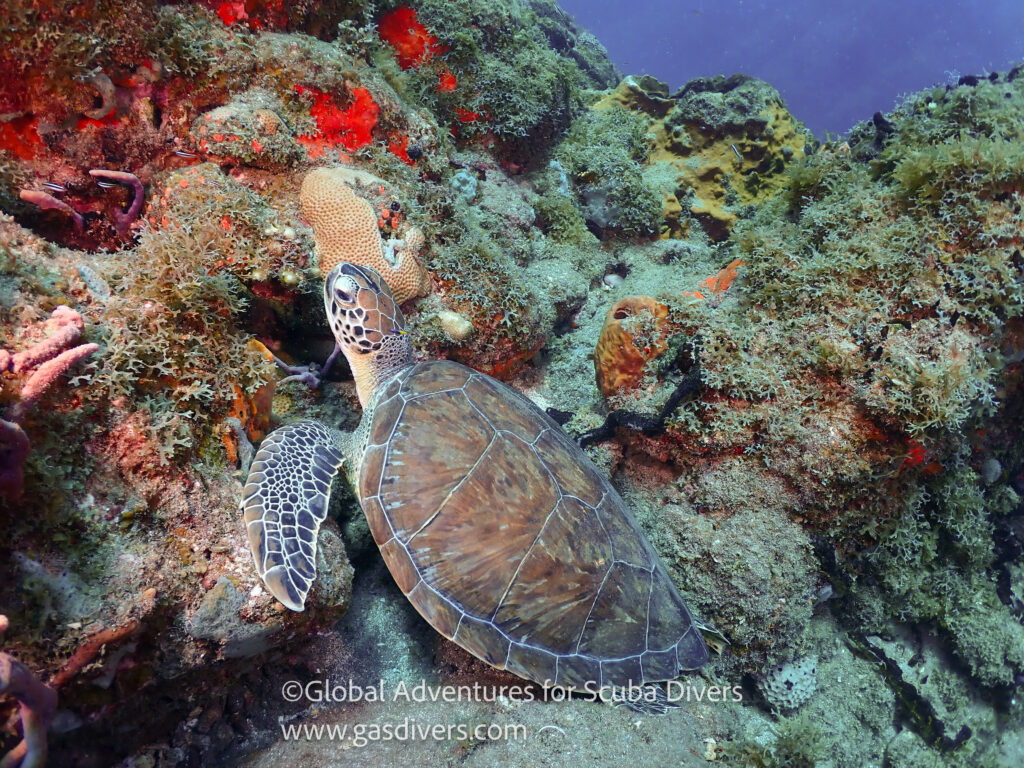
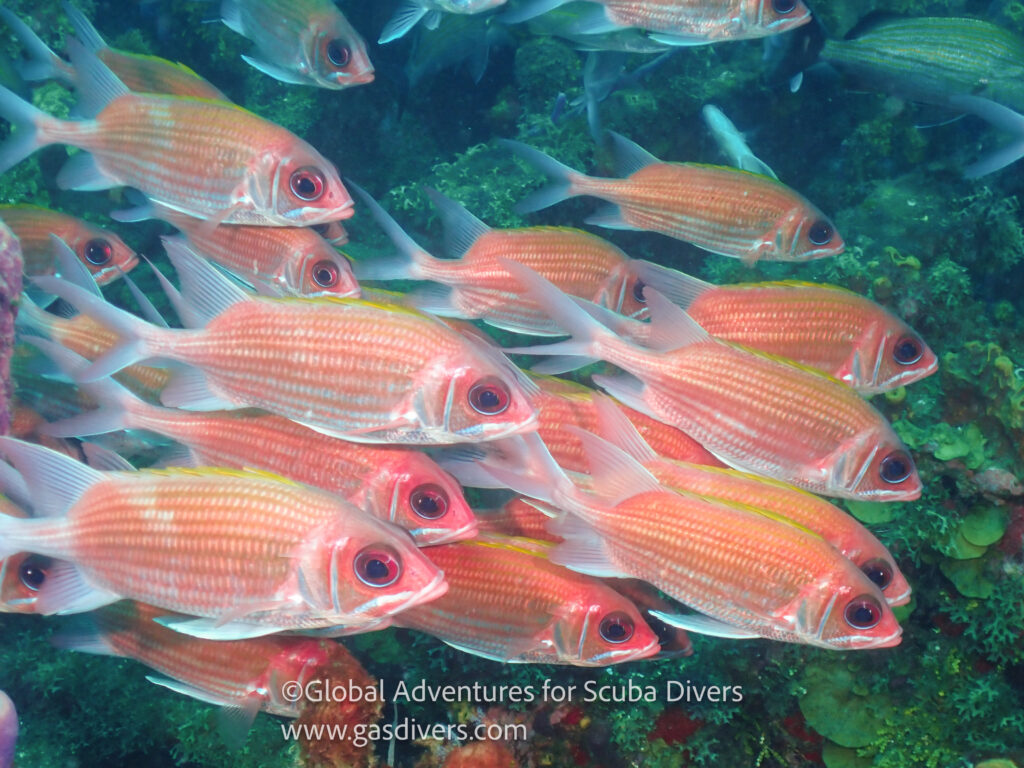
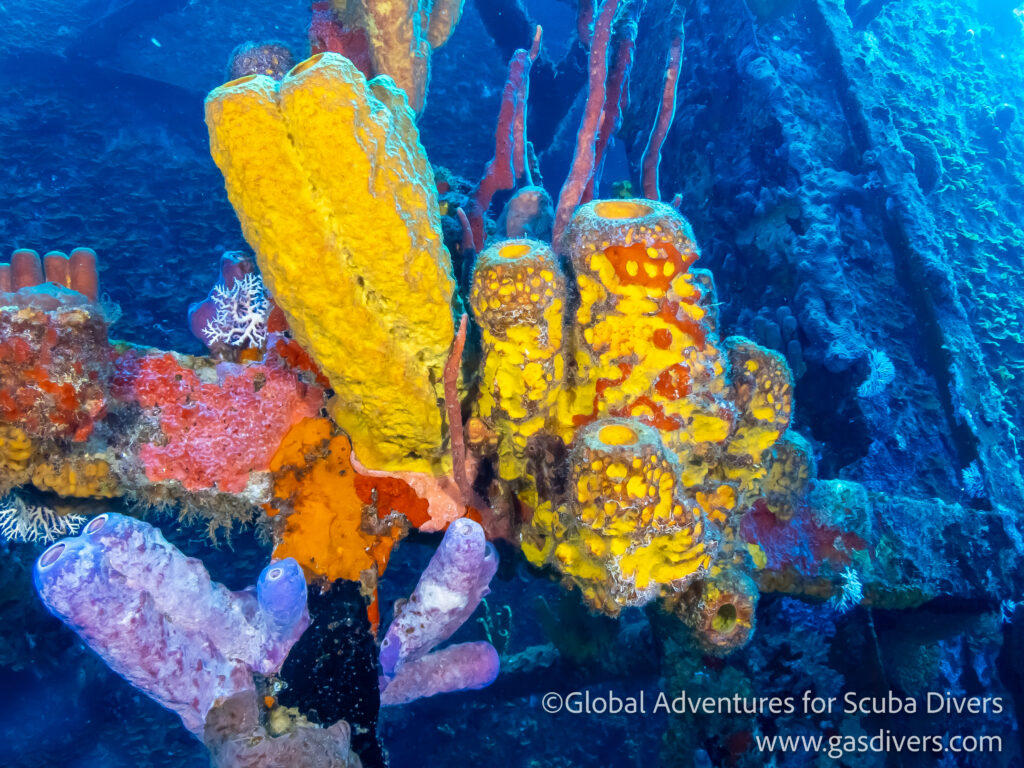
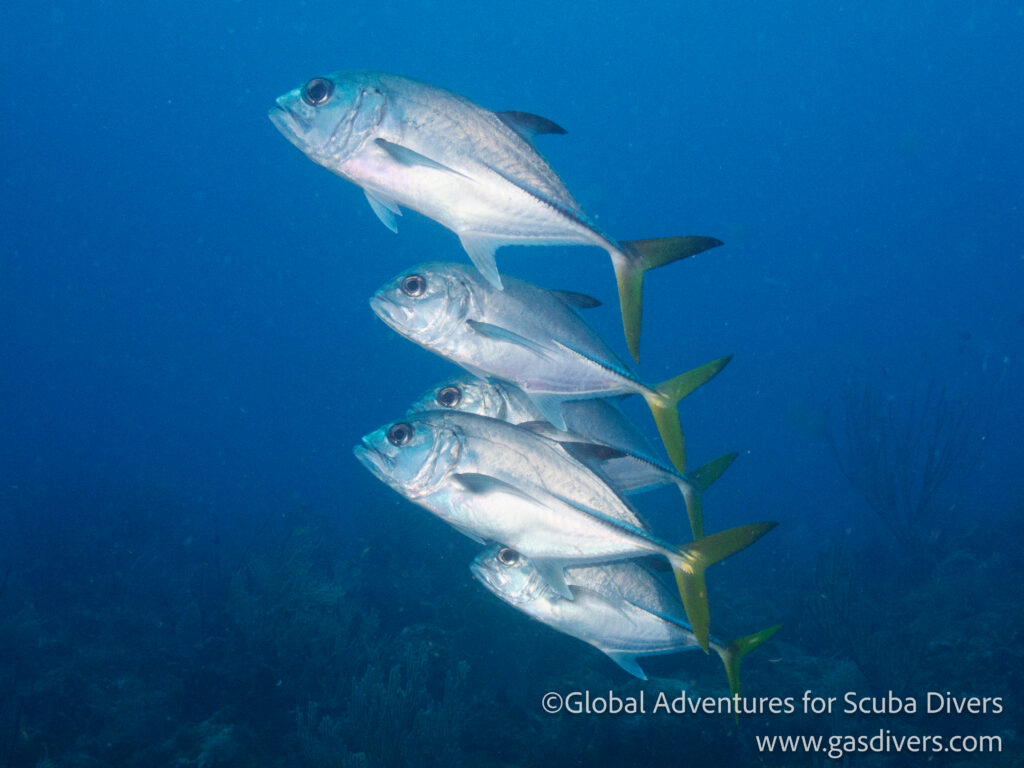
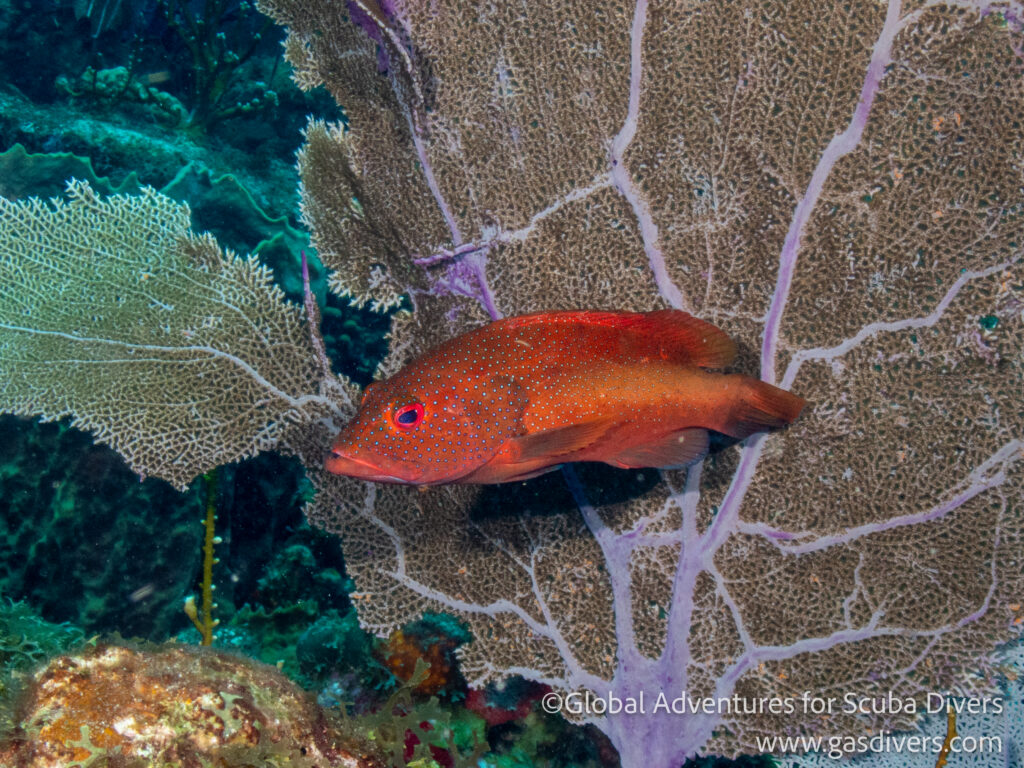
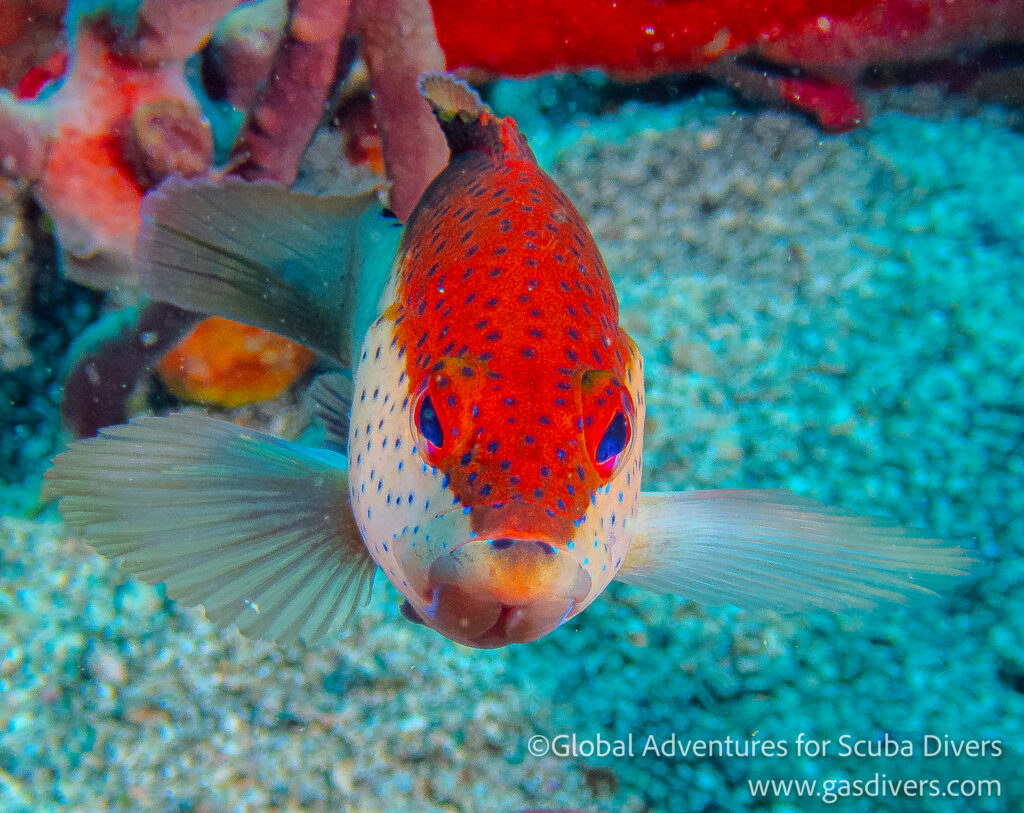
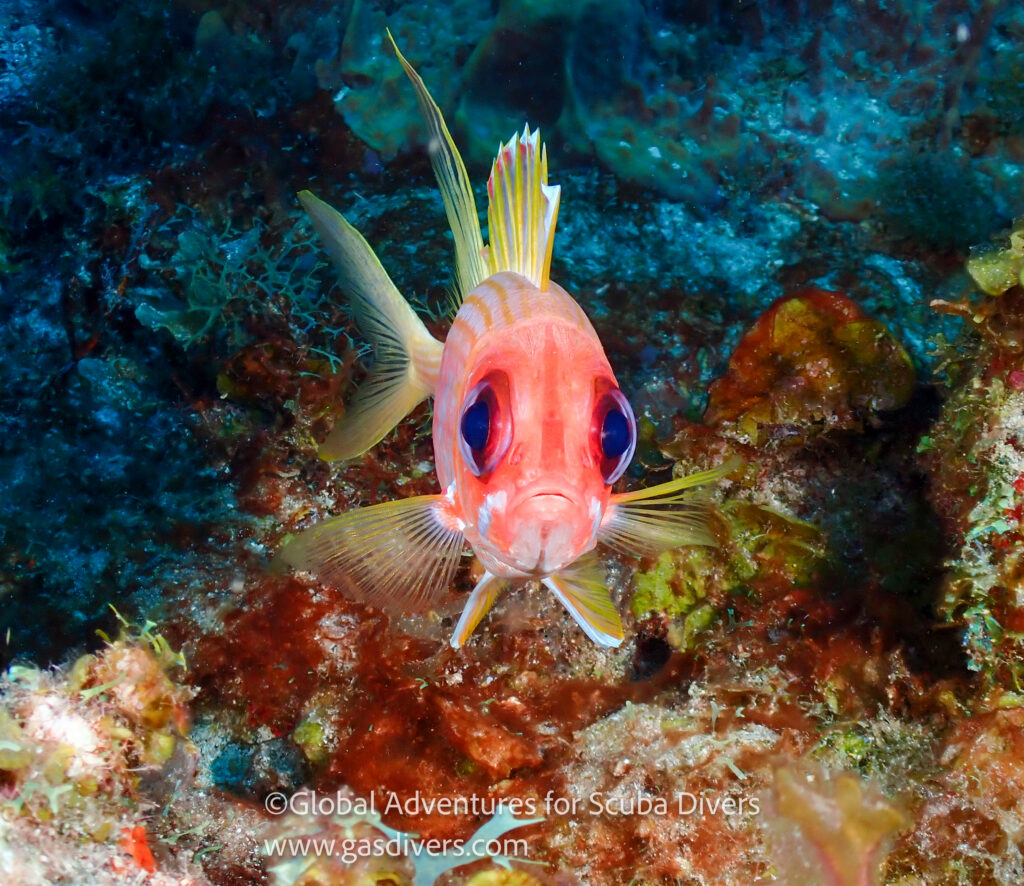
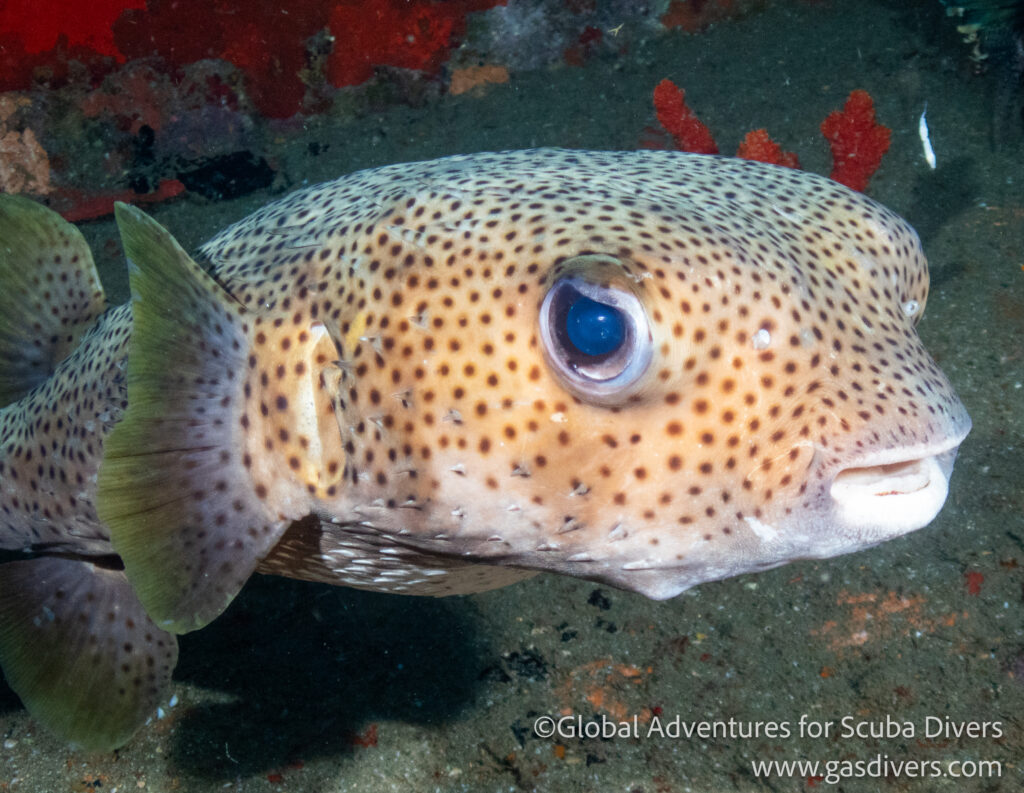
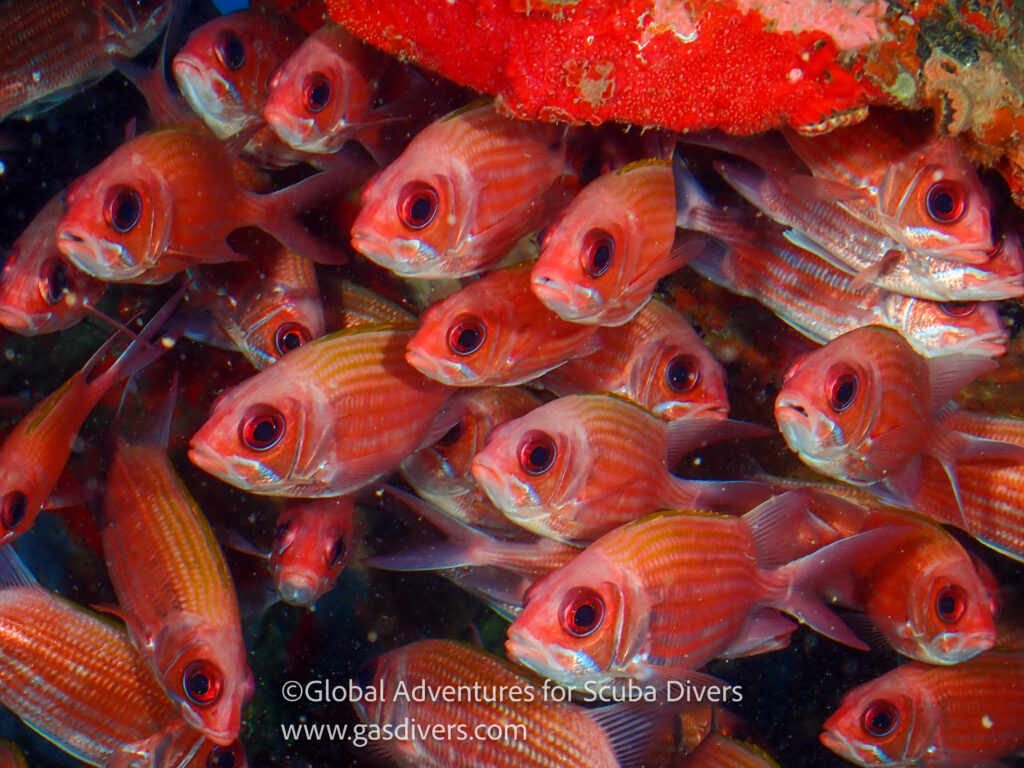
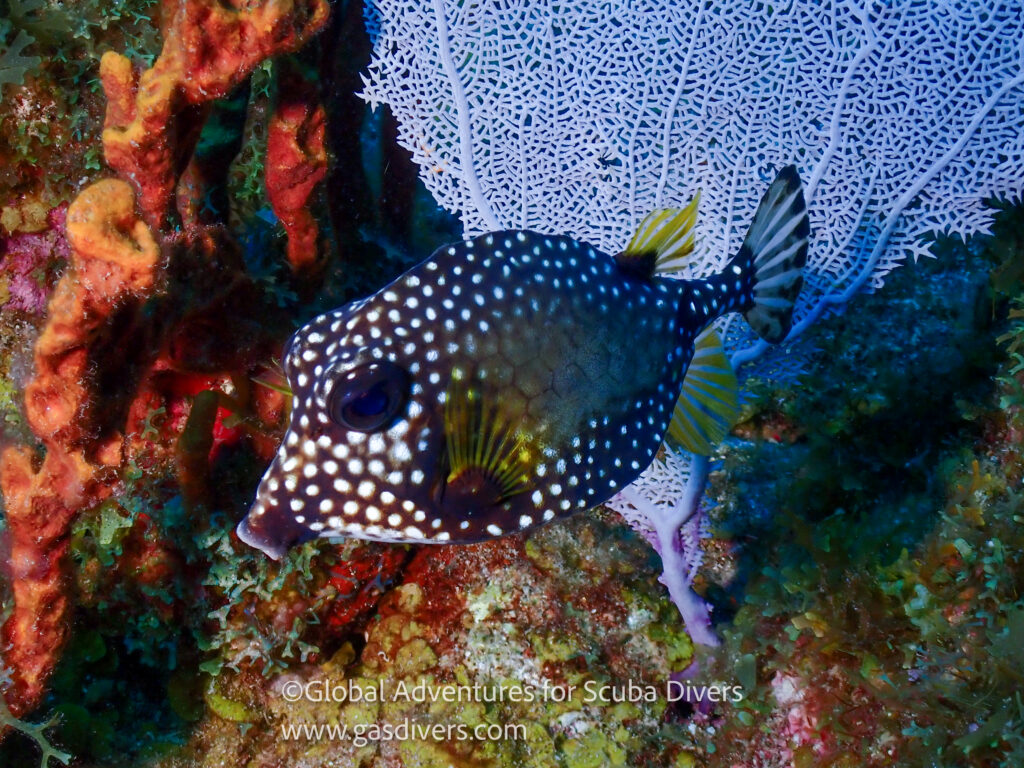
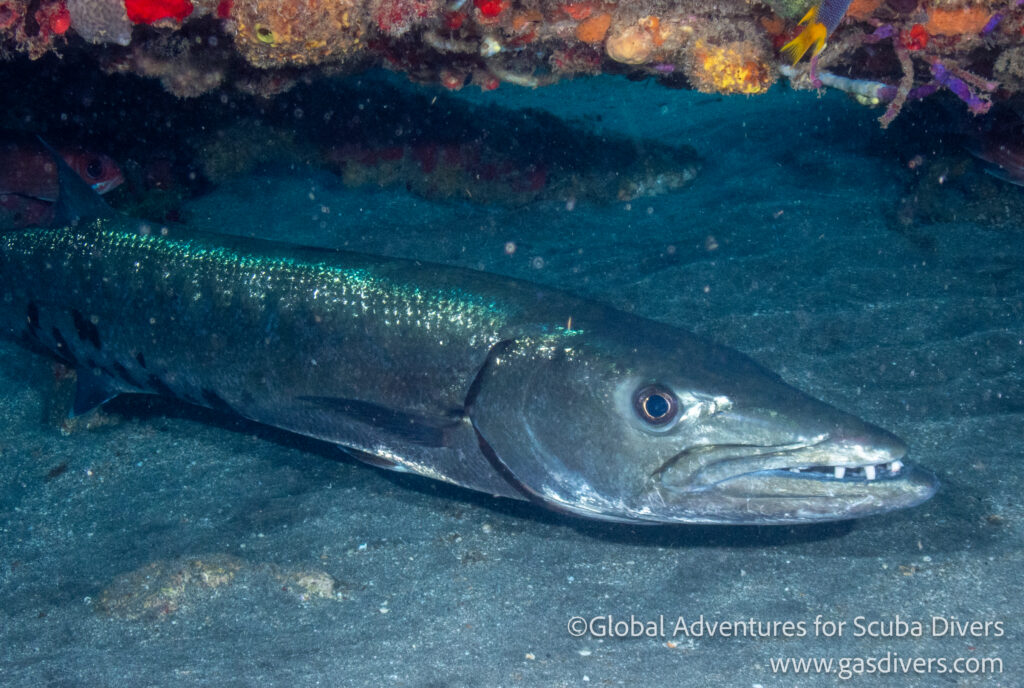
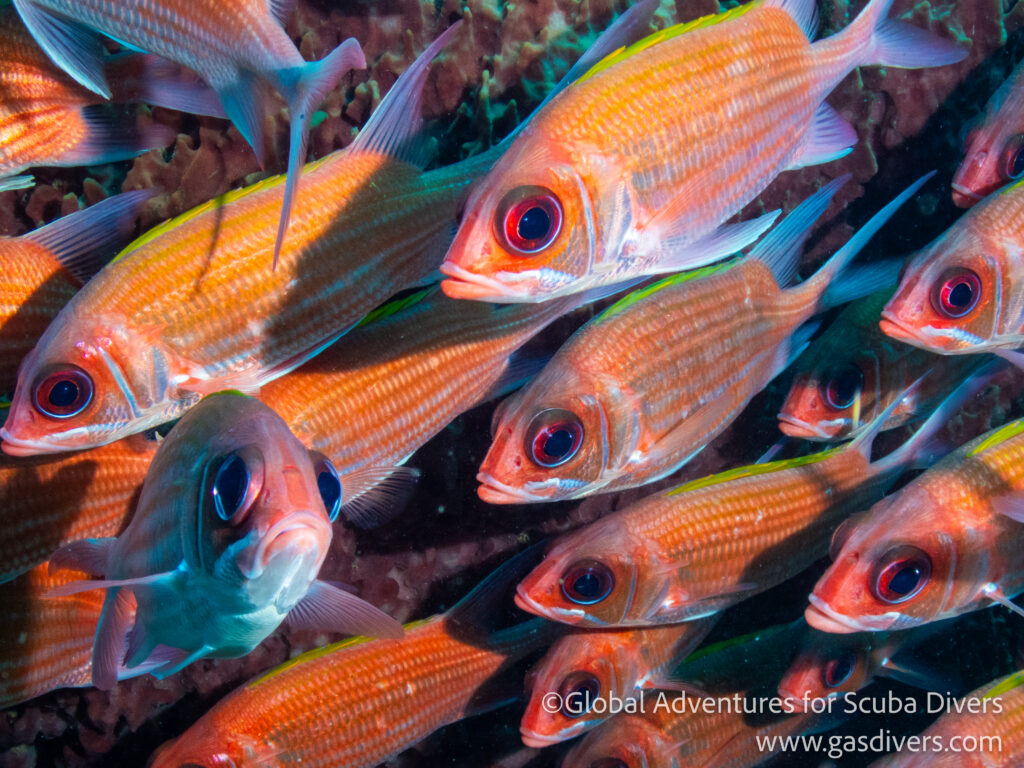
The reefs are dominated by colorful sponges and soft corals and support impressive numbers of reef fish. Schools of fish were common throughout our dives, and turtles are frequent visitors around the island.
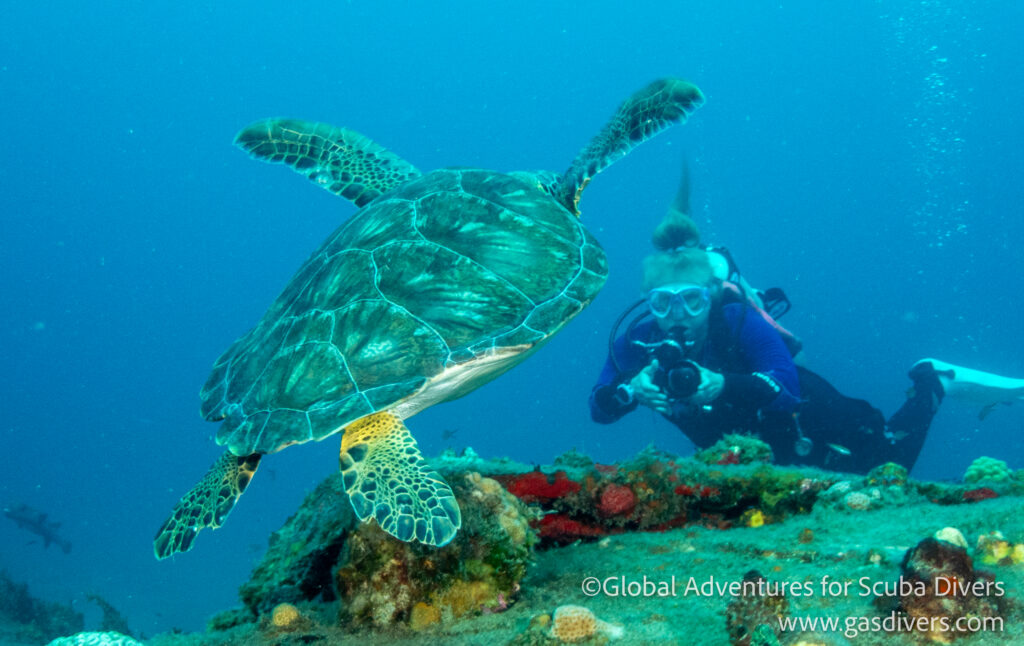
Many wrecks have become unofficial turtle sanctuaries, and it wasn’t unusual to find sea turtles resting peacefully among the wreckage.
Statia has received numerous awards recognizing both its marine biodiversity and the health of its reefs.
Wreck Diving
Shipwrecks are among the highlights of diving in St. Eustatius.
Artificial reefs and historic wrecks are common dive sites, providing habitat for turtles, reef fish, and countless macro critters. One particularly unique feature of Statia is the abundance of archaeological treasures, including historic anchors scattered throughout the marine park.
What the Diving Is Like
Divers expecting dramatic walls and steep drop-offs may be surprised.
Most dive sites feature reefs and wrecks with relatively gentle topography, and many are found at similar depths. While the scenery may not be dramatic, the healthy marine life more than compensates.
Because the dive sites are relatively exposed, surface conditions can occasionally be choppy, and currents are not uncommon.
Most of our dives averaged around 60 feet, with the tops of many wrecks beginning near that depth and extending deeper. During our visit, we never exceeded 100 feet, but we highly recommend both Nitrox and Advanced Open Water certification to maximize bottom time and fully enjoy the wrecks.
Underwater Highlights
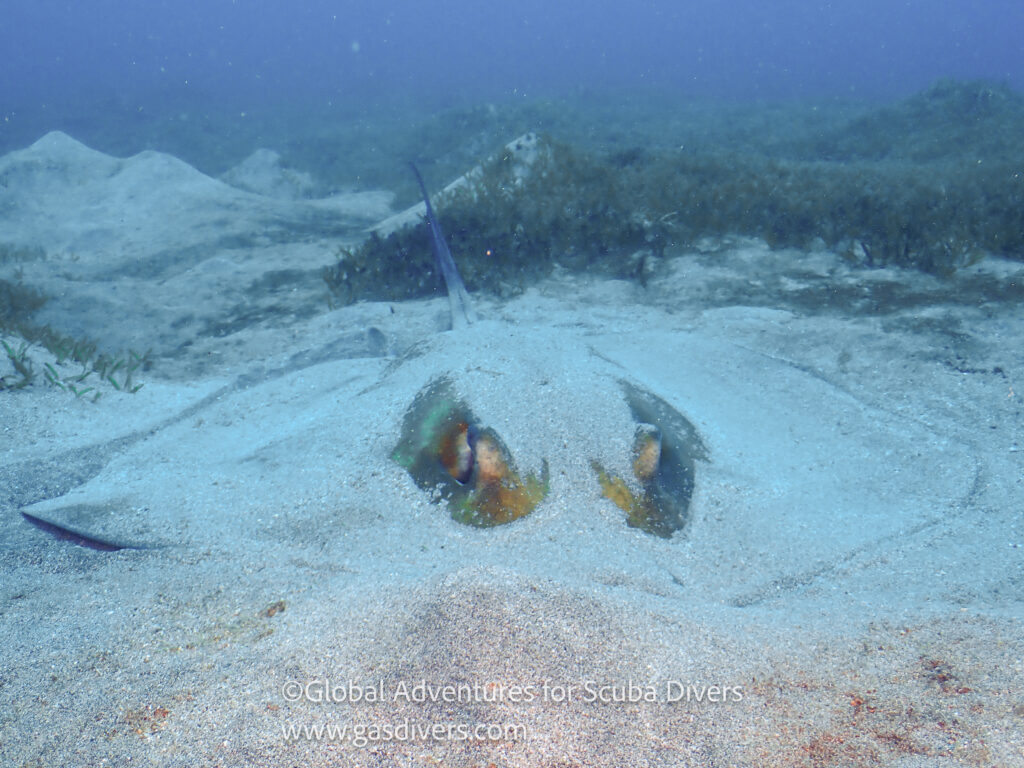
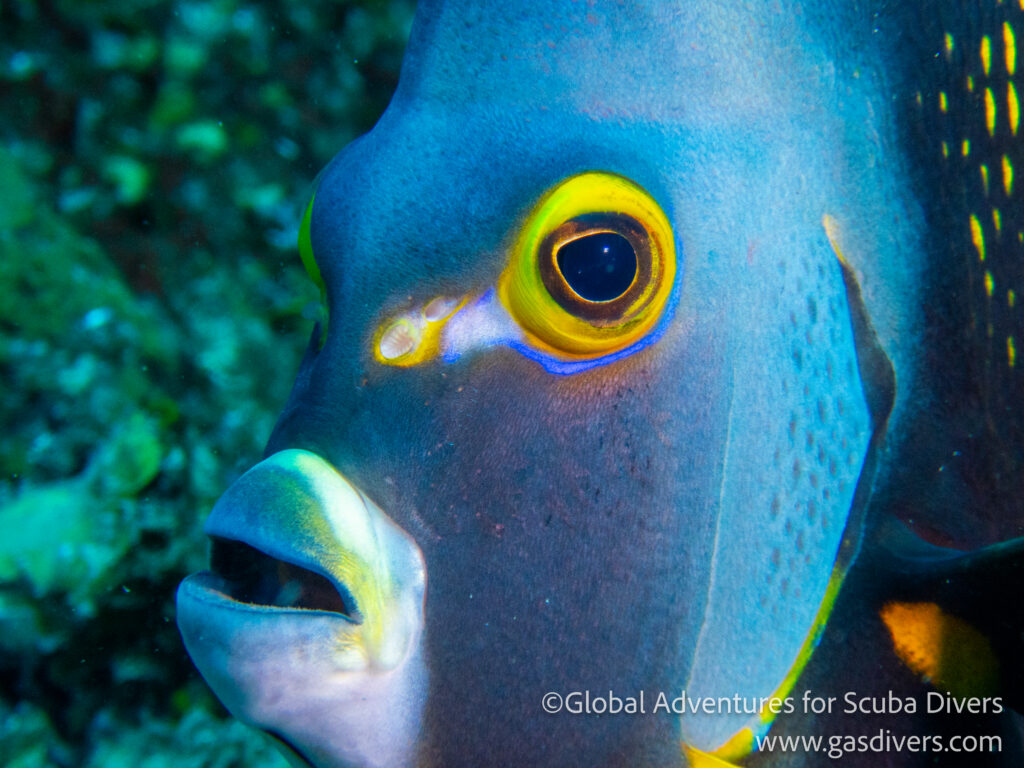
We saw many of these encounters during our recent visit to Statia. You can view highlights and underwater moments from the trip in our Statia trip recap.
Nitrox: Highly Recommended
While Nitrox is not required, we strongly recommend it. Many of the wrecks begin around 60 feet and extend deeper, and Nitrox allows divers to maximize bottom time and fully enjoy these sites.
Advanced Open Water: Recommended
Advanced Open Water certification isn’t mandatory, but we think it’s worth having. Some of Statia’s best wreck dives extend below recreational Open Water limits, and additional training provides more flexibility and comfort underwater.
Our Favorite Dive Sites
STENAPA Reef
Beautiful reef life, abundant fish, and healthy coral growth made this one of our favorite reef dives.
Lorem ipsum dolor sit amet, consectetuer adipiscing elit, sed diam nonummy nibh euismod tincidunt ut laoreet dolore magna aliquam erat volutpat.
Charles Brown
Known simply as “the big wreck,” the Charles Brown is one of the island’s most impressive wreck dives and a favorite among visiting divers.
Underwater Photography
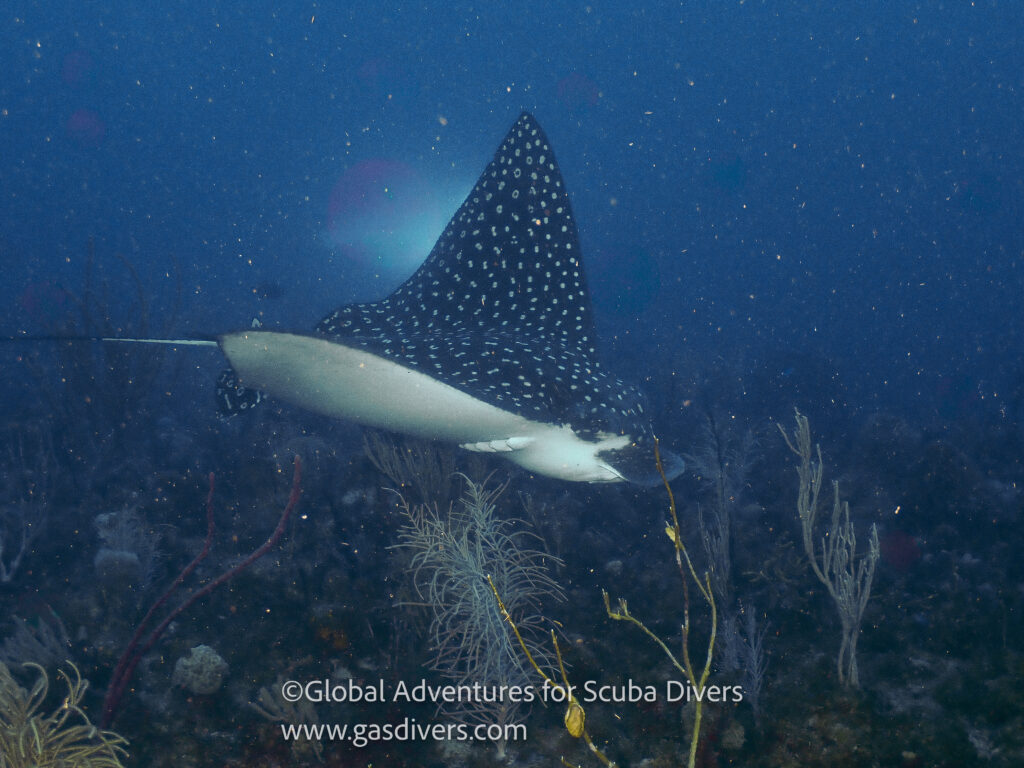
Statia offers excellent opportunities for both wide-angle and macro photographers.
Wide-Angle Subjects
- Shipwrecks
- Historic anchors and archaeological treasures
- Sea turtles
- Reef sharks
- Southern stingrays
- Eagle rays
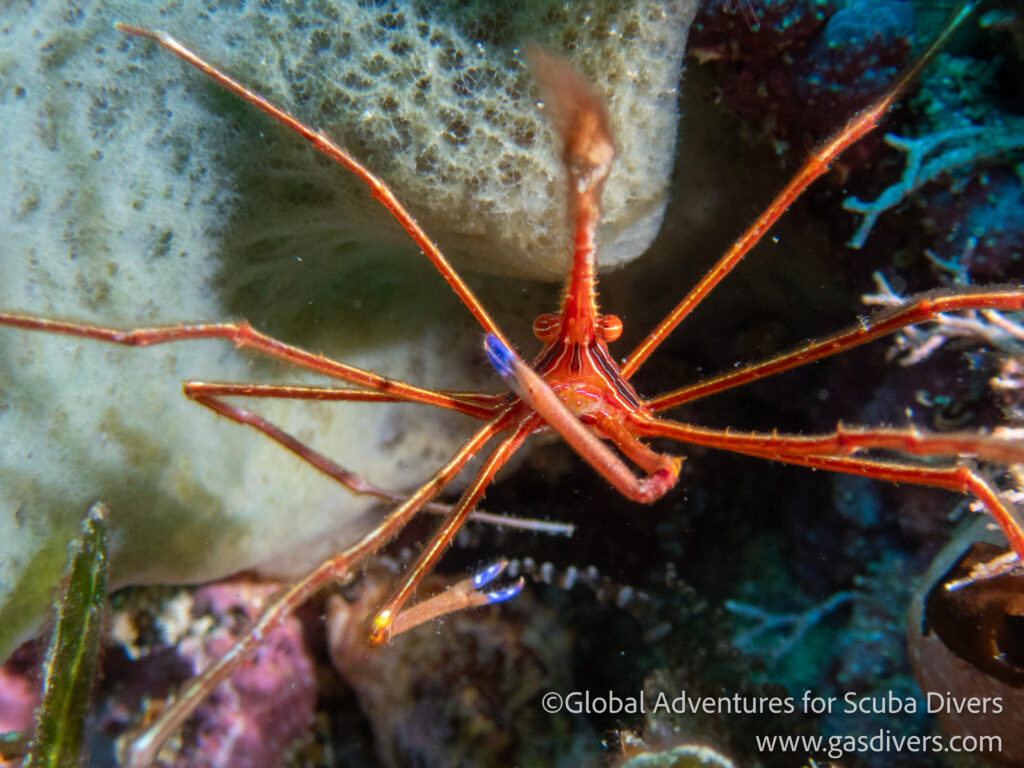
Macro Photography
- Arrow crabs
- Cleaner shrimp
- Blennies
- Nudibranchs
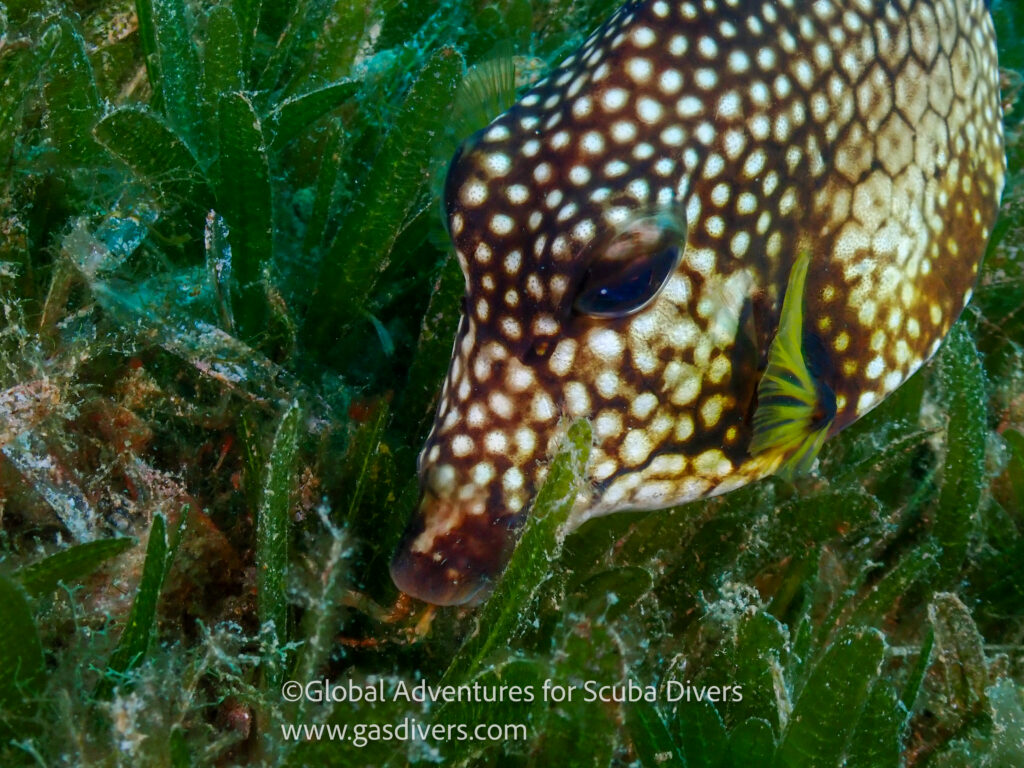
- Reef fish hiding among the sponges and corals
More Than Just Diving
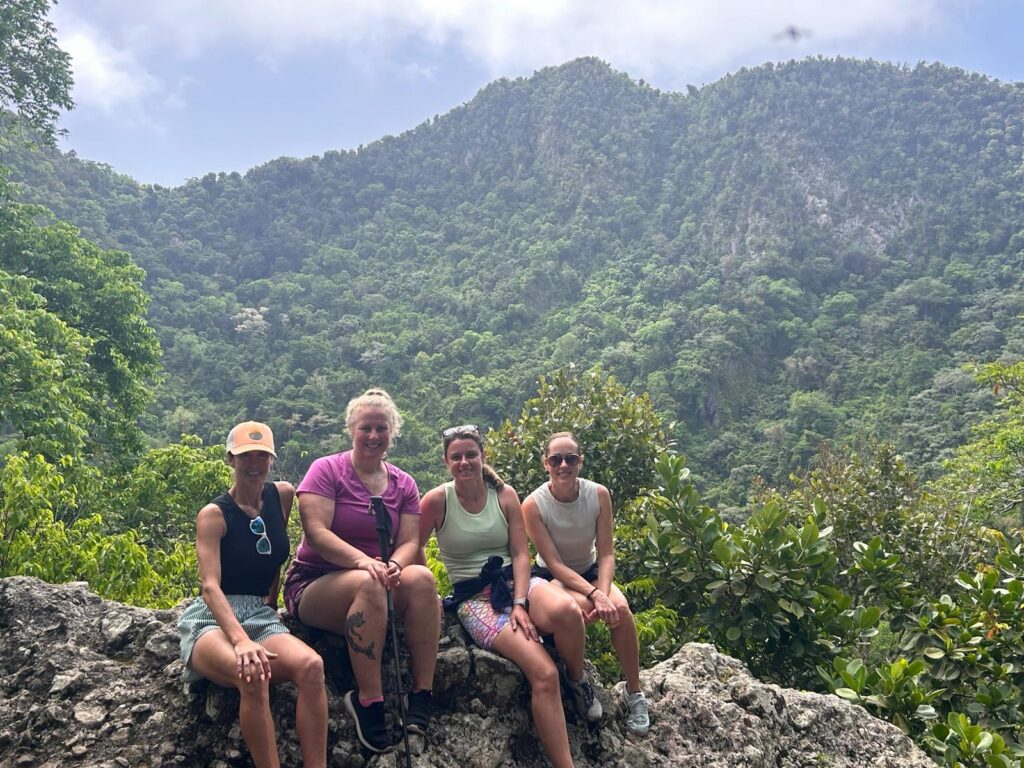
Hike the Quill
Several hiking trails wind across the island, including the famous descent into the crater of the Quill volcano. The lush vegetation and panoramic views make it one of the highlights of any visit.
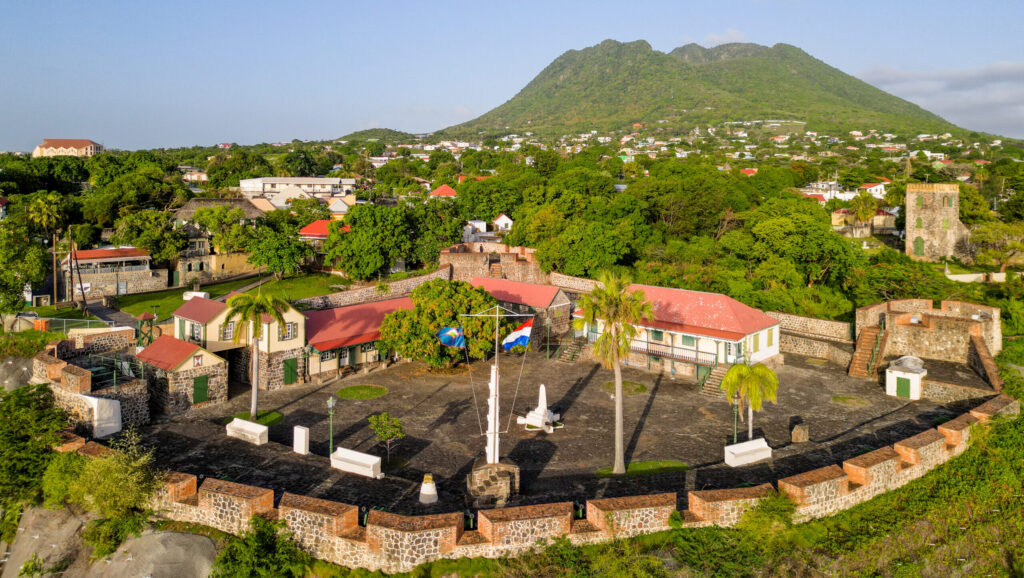
Explore the Island’s History
Statia played an important role in Caribbean history and is home to Fort Oranje, historic Oranjestad, and the famous “First Salute” of 1776, which is widely considered the first international recognition of the United States.
Island Vibes
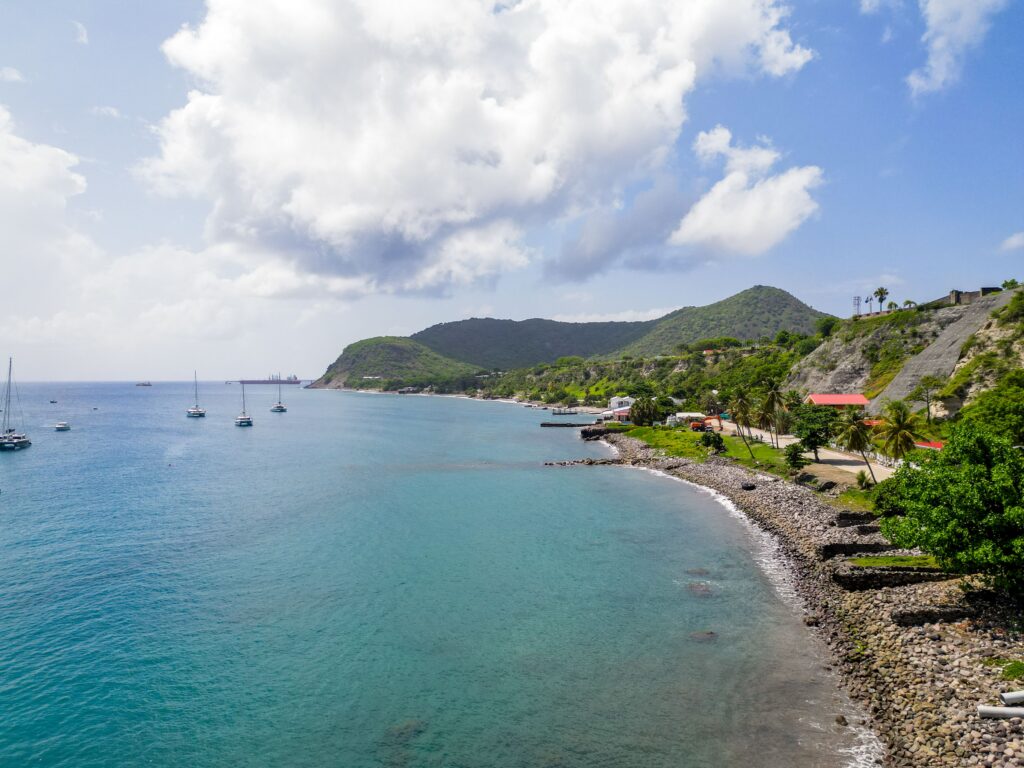
One of the things we loved most about Statia was its peaceful atmosphere.
Life moves slowly here.
The people are friendly, there are probably more goats than people, and free-roaming chickens are a common sight.
Without cruise ships, crowds, or heavy traffic, Statia offers a refreshingly authentic Caribbean experience that feels increasingly rare.
Weather and Best Time to Visit
Statia enjoys warm temperatures and good diving conditions year-round. However, because the island lies within the Caribbean hurricane belt, storms elsewhere in the region can create rough seas and reduced visibility even when the island itself remains unaffected.
Statia is also more exposed than some neighboring islands and can be windy throughout the year.
Our favorite time to visit is during April, May, and June, when both air and water temperatures are warm and conditions are often ideal for enjoying everything the island has to offer.
Is Statia Worth Visiting?
Absolutely.
If you’re looking for nightlife, dramatic walls, and bustling tourist areas, Statia may not be for you.
But if you appreciate healthy reefs, abundant marine life, fascinating history, uncrowded dive sites, and authentic Caribbean charm, St. Eustatius just might become one of your favorite islands too.