

The Revillagigedo Archipelago — better known as Socorro — is one of the most exhilarating dive destinations in the world. Located far offshore in the Pacific Ocean, this remote group of volcanic islands is famous for its pristine waters, big-animal encounters, and truly wild, unpredictable diving.
Often referred to as the “Galápagos of Mexico,” Socorro is a bucket-list destination for divers who want more than coral reefs and tropical fish. This is where giant manta rays approach divers with curiosity, hammerhead sharks patrol the blue, dolphins interact with dive groups, and whale sharks occasionally appear in the open ocean.
If you’ve ever dreamed of diving with pelagic life in one of the most remote places in the Pacific, Socorro belongs at the top of your list.
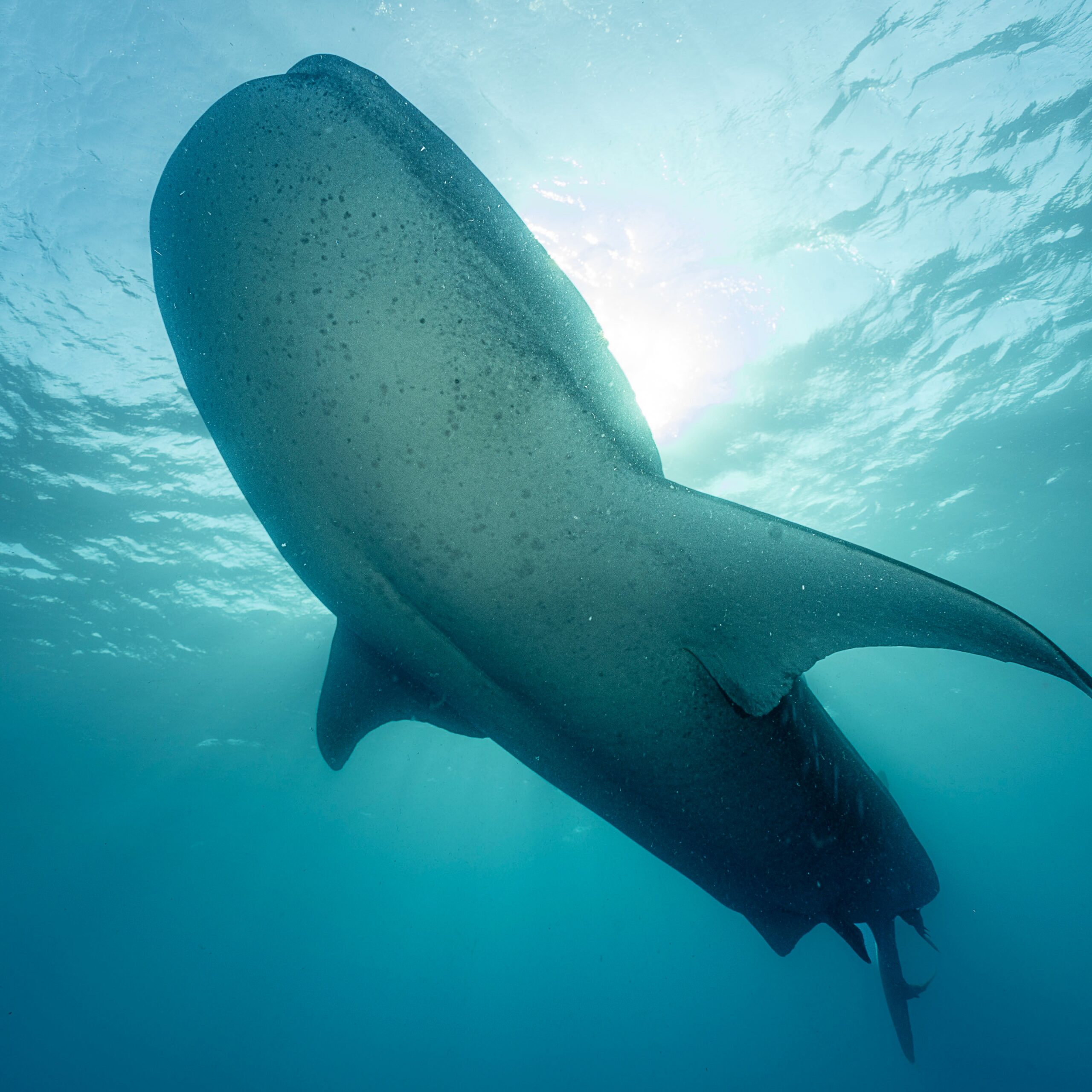
Quick Facts About Diving in Socorro
Dive Temperature: The water temperature in Socorro typically ranges from 74°F to 78°F (23°C to 26°C). Although comfortable for most divers, the cool temperatures, especially after multiple dives a day, may require a wetsuit for warmth.
Diving Experience: Socorro is recommended for intermediate to advanced divers (50 dives, advanced certification) due to its strong currents and remote dive sites. Some dive spots may require previous experience with drift diving and deep water dives.
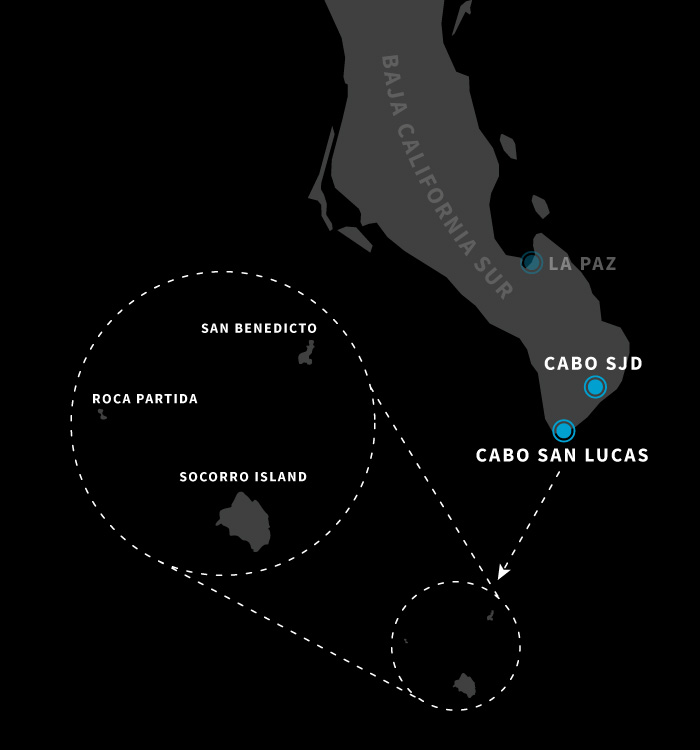
Accessibility: Socorro is only accessible by liveaboard, with trips departing from San José del Cabo, Mexico. These liveaboard trips offer the opportunity to dive multiple times a day and explore the archipelago’s remote dive sites. The crossing from Cabo to Socorro can sometimes be rough, so it’s recommended to bring sea sickness medication if you’re prone to motion sickness.
Diving Highlights:
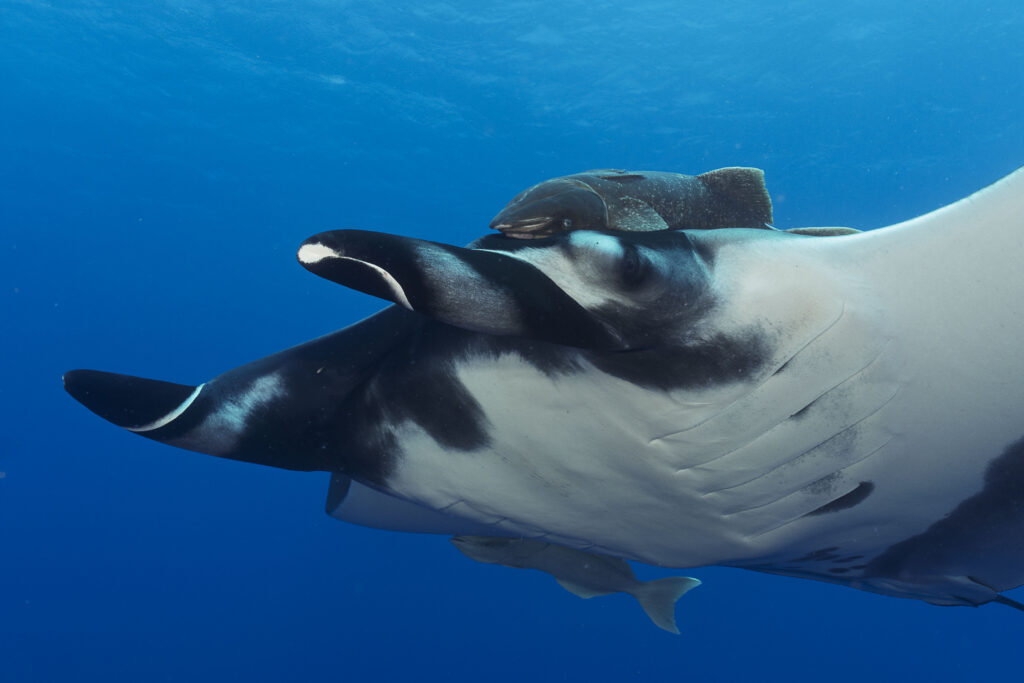
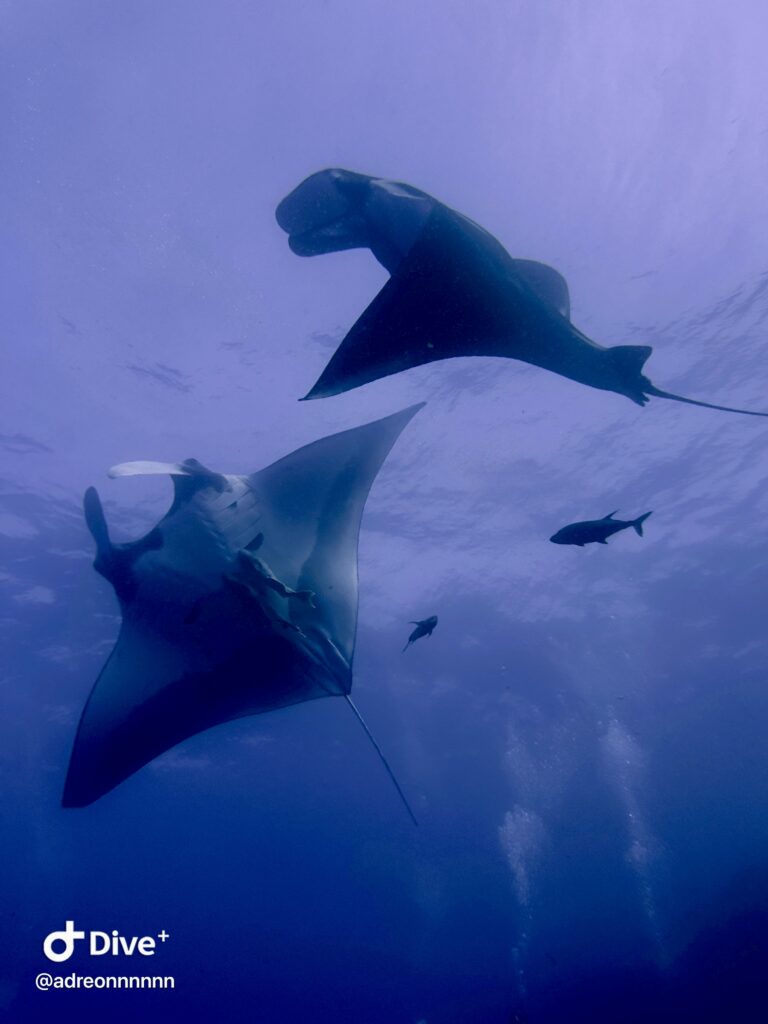
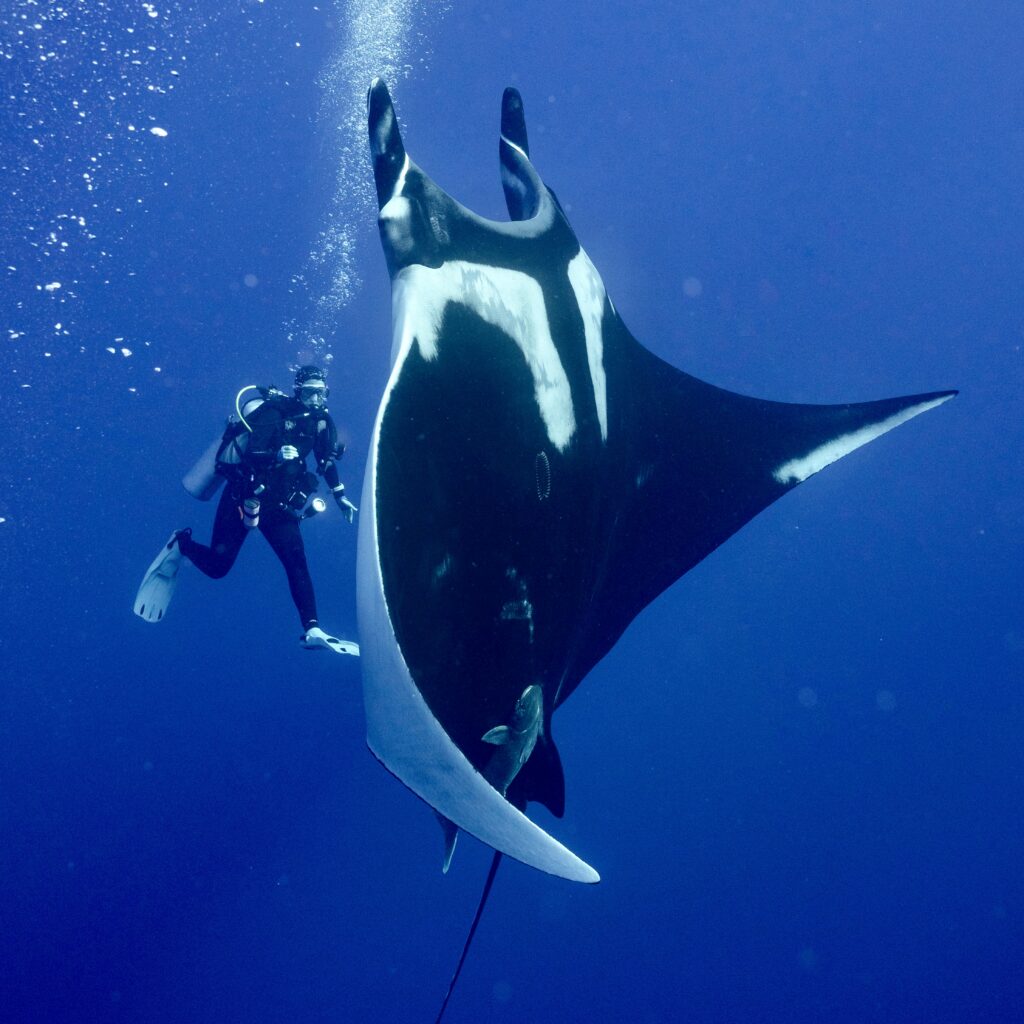
Pacific Manta Rays: Encounter these graceful creatures up close as they glide through the water with impressive wingspans. Known for their curious nature, Socorro’s mantas often interact with divers.
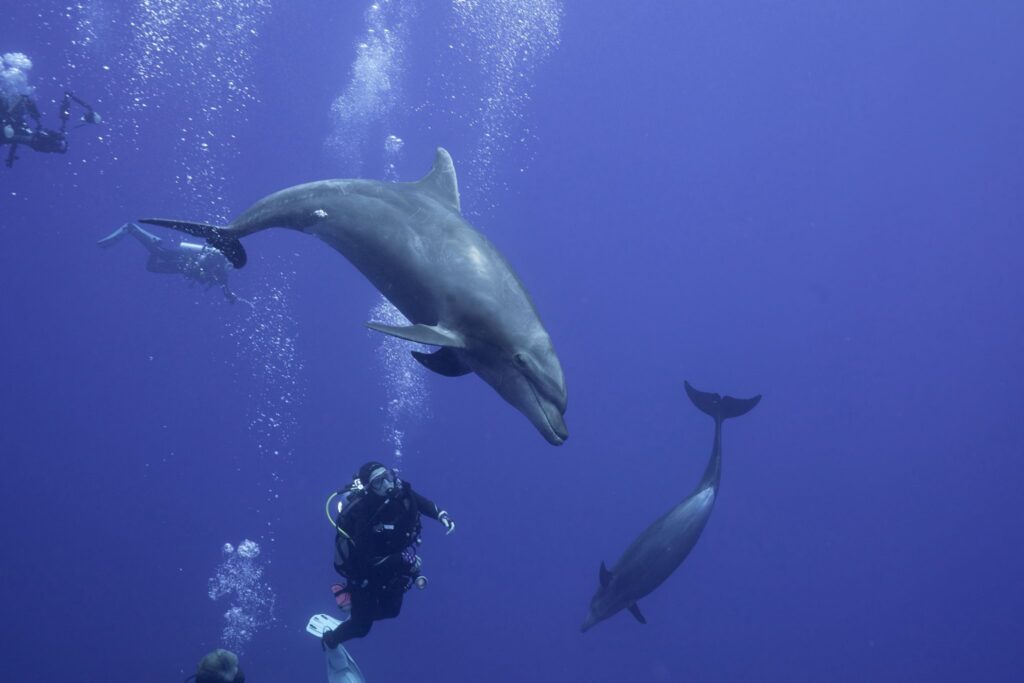
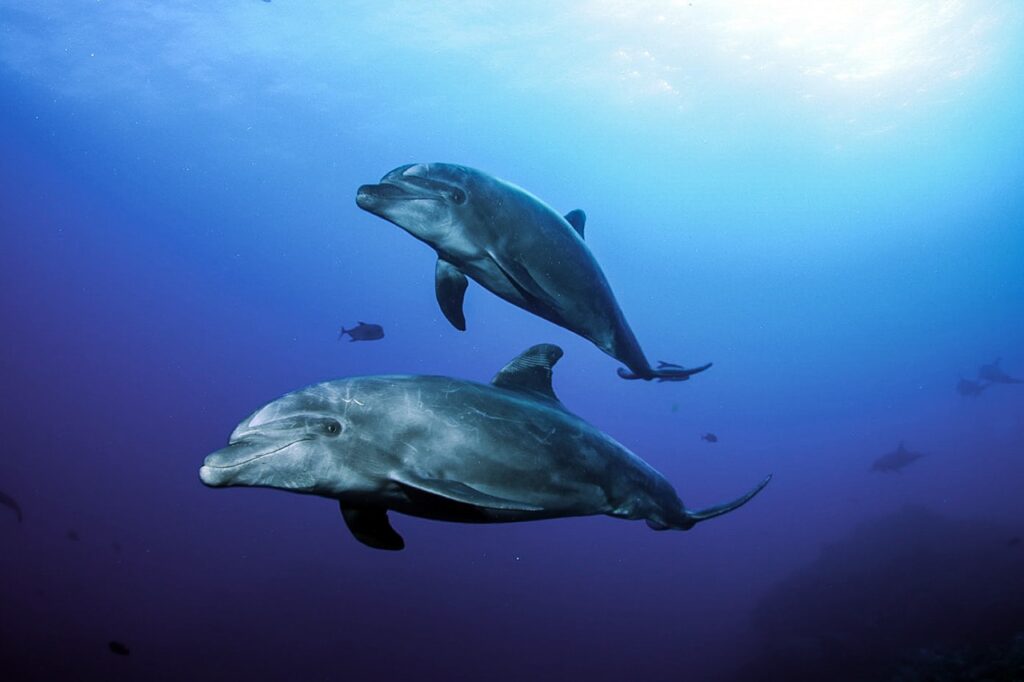
Dolphins: Playful and inquisitive, dolphins frequently engage with divers, providing fun and interactive experiences.
Sharks: The island is home to large schools of hammerhead sharks, and divers may also spot silky sharks, Galápagos sharks, and even tiger sharks.
Socorro is a seasonal destination, meaning the marine life you’ll encounter can vary depending on when you visit. For example, manta rays and sharks are present year-round, but whale sharks and humpback whales have specific migration seasons, making every trip to Socorro a unique experience!
What Makes Socorro So Special?
Socorro, part of Mexico’s Revillagigedo Archipelago, is renowned for offering divers some of the most unforgettable underwater experiences. It’s a remote and unspoiled destination, accessible only via liveaboard, which ensures you’ll dive in waters teeming with marine life that’s far less impacted by human activity than more commercialized dive spots.
The island is often referred to as the “Galapagos of Mexico” due to the abundance of big animals that call its waters home. The island’s isolation means that marine life here is not only abundant but also extraordinarily diverse.
Big Animal Encounters: A Diver’s Dream
Socorro is famous for its incredible big animal encounters, and there’s no shortage of awe-inspiring species to spot. Here’s just a taste of what you might encounter:
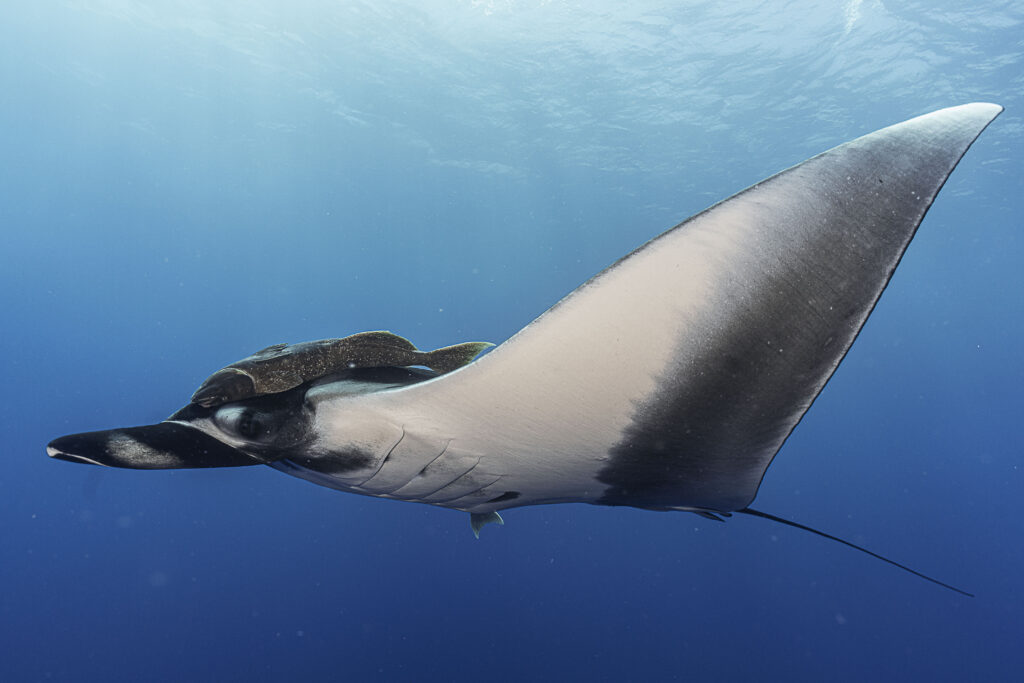
Giant Manta Rays
The highlight for most divers. Socorro’s oceanic manta rays are famous for their curiosity and often approach divers closely — circling, interacting, and sometimes staying for extended encounters.
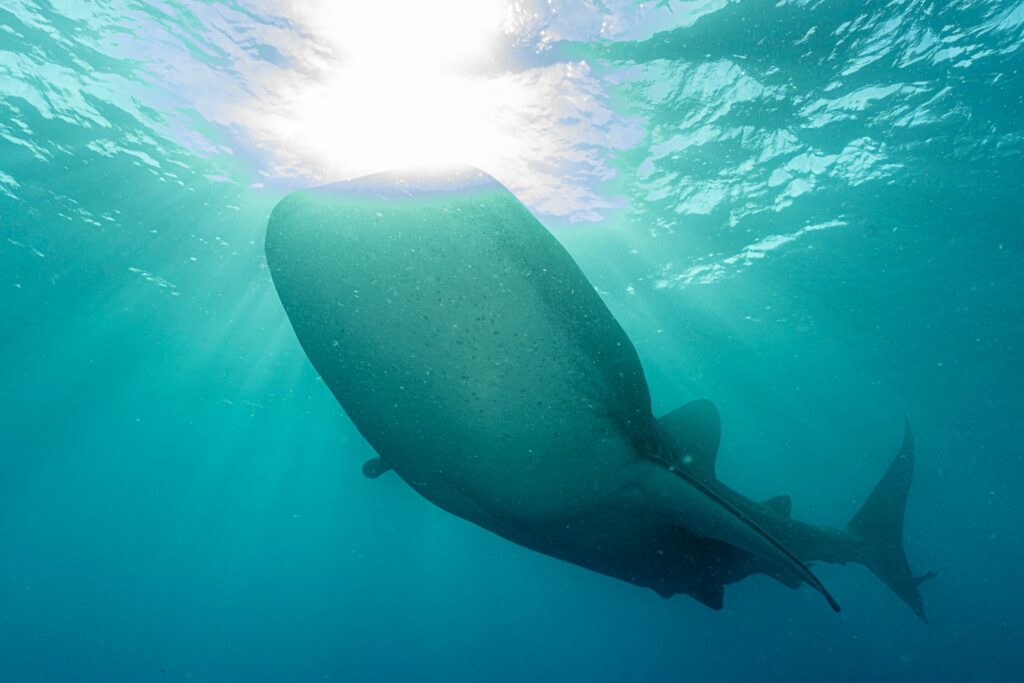
Whale Sharks
Socorro is one of the few places where divers can encounter the gentle giants of the ocean—whale sharks. These majestic creatures make their way through the archipelago, and while sightings are not guaranteed, it’s a thrill to witness them in the wild. They are commonly seen in in warmer water months of April -November.
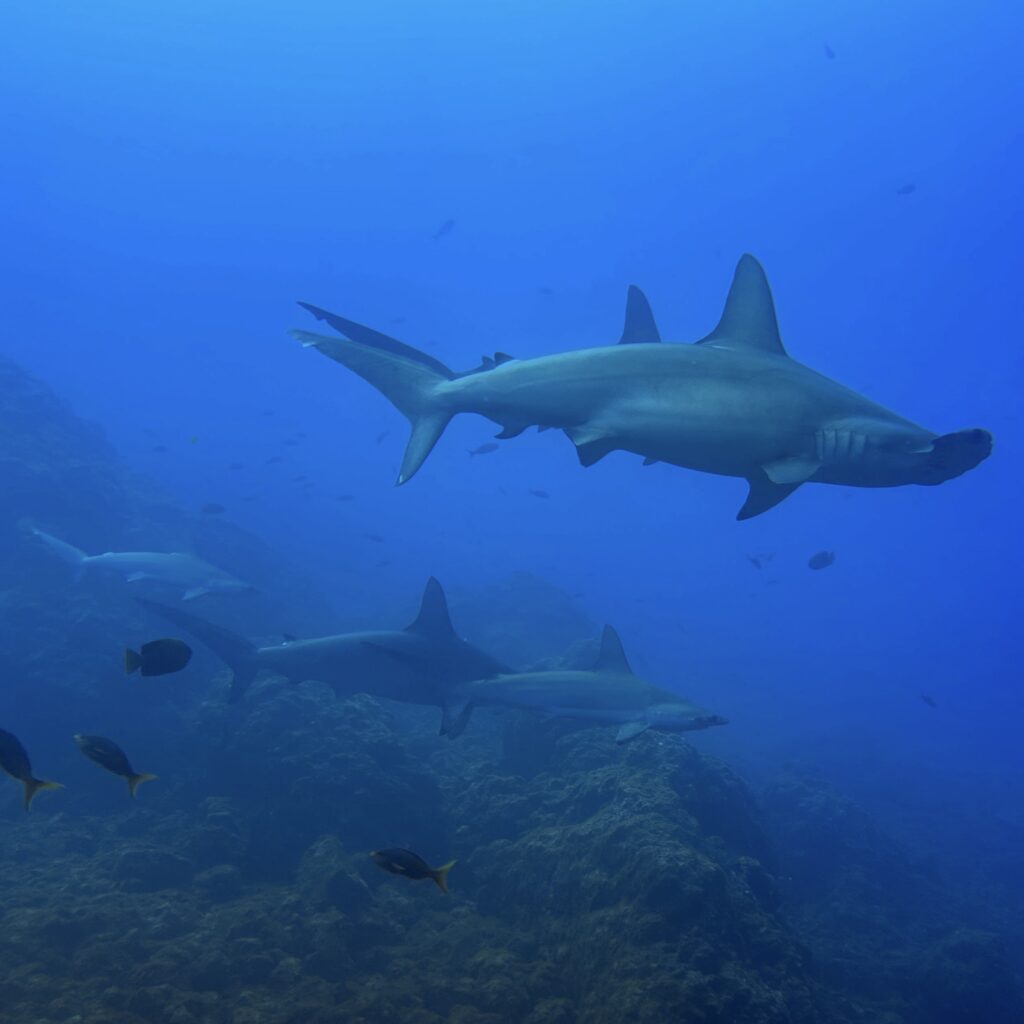
Sharks
- Hammerhead sharks (especially at El Cañón)
- Silky sharks
- Silvertip sharks
- Occasional tiger sharks
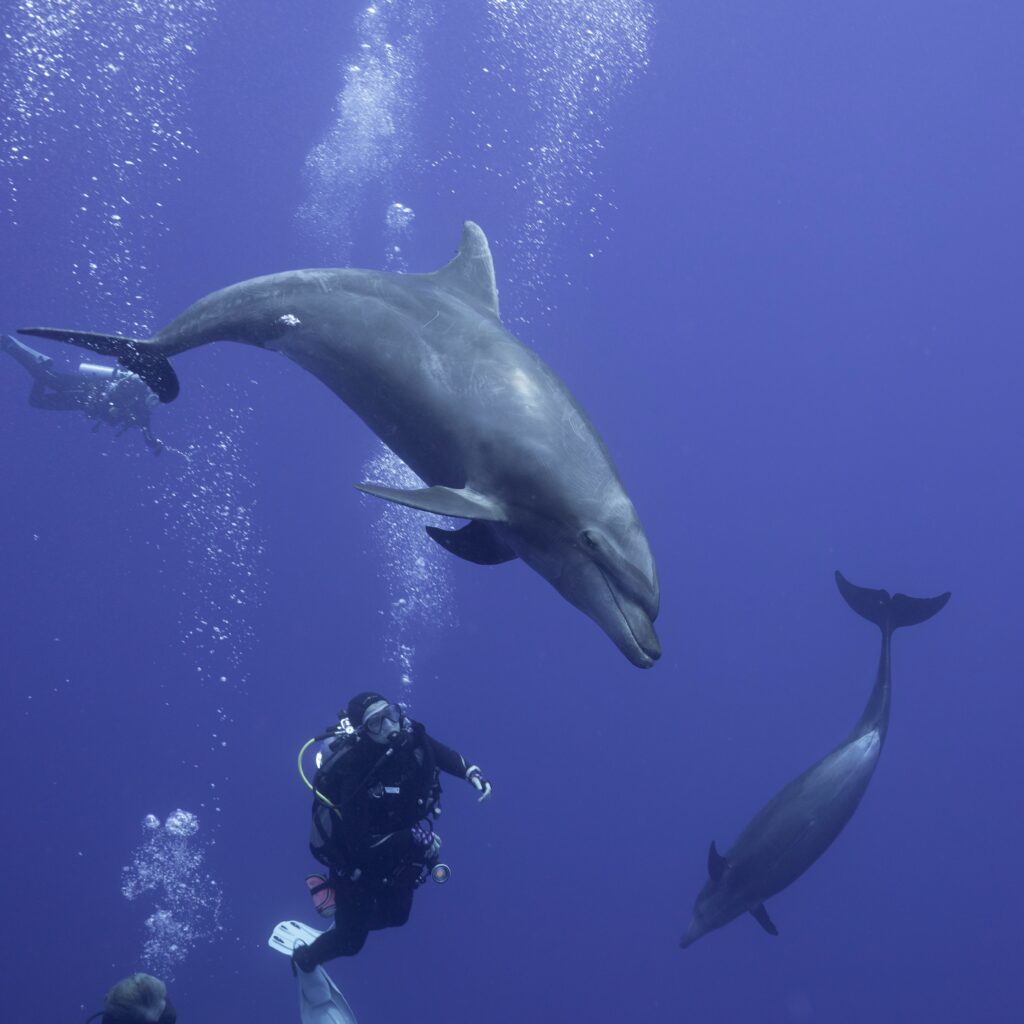
Dolphins
Highly playful and interactive, often approaching dive groups and engaging in curious, energetic behavior underwater.
Socorro Dive Sites & Where You’ll Dive
San Benedicto Island
The Boiler
A legendary manta cleaning station where giant oceanic mantas often approach divers closely.
El Cañón
Known for strong currents and dramatic encounters with hammerheads, sharks, dolphins, and pelagic species.
Socorro Island
Most famous for Cabo Pearce
Known for:
- Playful dolphin encounters
- Unique lava finger formations
- Occasional manta interactions
- Strong currents and dynamic diving
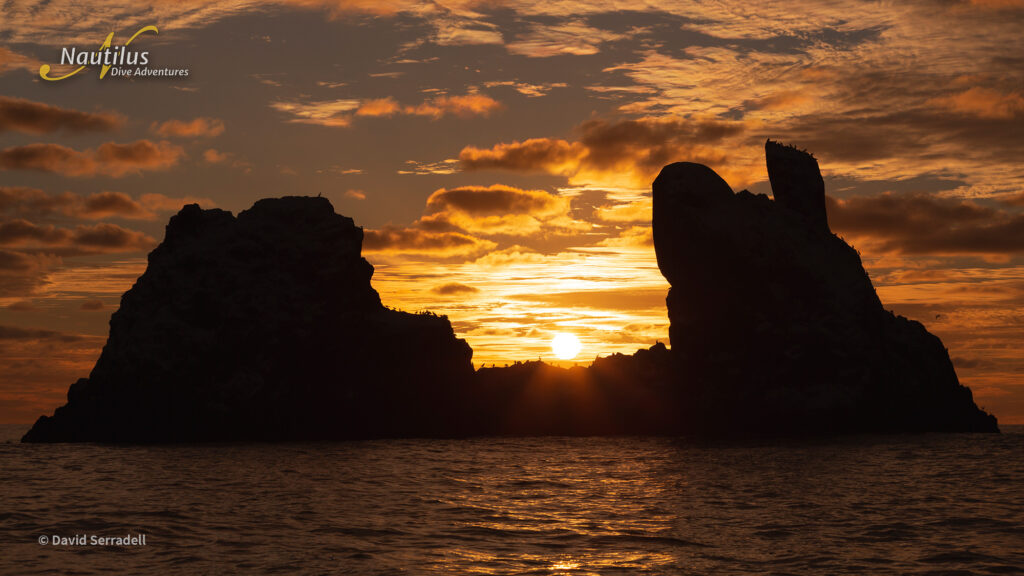
Roca Partida
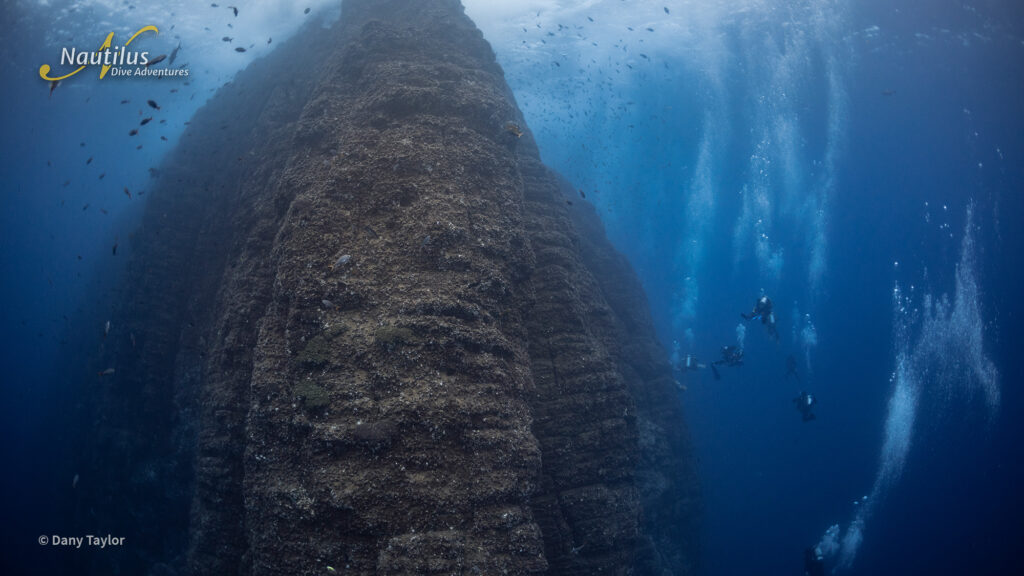
One of the most remote and iconic dive sites in the entire region — a solitary volcanic pinnacle rising from the open ocean.
Here, divers may encounter:
- Dense schools of white tip reef sharks (in piles_
- Silvertip sharks
- Silky sharks
- Passing mantas
- Dolphins in the blue
Roca Partida is one of our favorite dive sites – find out why that is in our blog post: Roca Partida: The Wild Dive Site That Changed How We See the Ocean
Marine Life by Season
The best diving season is typically November to May, when liveaboards operate regularly and marine life encounters are at their peak. During these months, visibility is usually excellent, ranging from 30 to 100 feet, and the water temperature averages around 75°F (24°C). This is also the prime time for spotting manta rays, sharks, and dolphins. Socorro is highly seasonal, and wildlife varies throughout the year:
November – January
- Whale sharks (more common sightings)
- Manta rays
- Sharks
- Comfortable water temperatures
January – March
- Humpback whales migrating through the region
- Manta rays remain active
- Cooler water conditions
April – May
- Strong pelagic activity
- Sharks frequently seen
- Excellent overall visibility conditions
May – June
- Bait balls and large schools of fish
- Occasional pilot whales and tuna activity
- Highly dynamic ocean conditions
Every season offers something different — no two Socorro trips are ever the same!
How to Get to Socorro
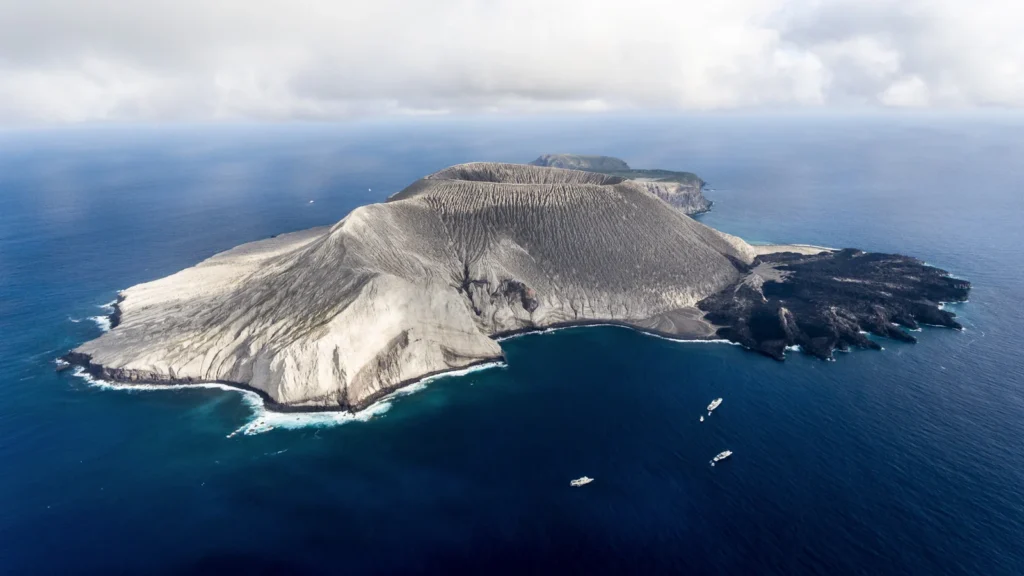
Socorro is located approximately 240 miles south of Baja California and is only accessible by liveaboard.
Socorro is located approximately 240 miles south of Baja California and is only accessible by liveaboard.
Trips depart from San José del Cabo, Mexico, and include:
- Full expedition logistics
- Accommodation onboard
- Meals and diving support
- Multi-day crossings to reach the islands
Because of its remoteness, Socorro remains one of the most untouched and wild dive destinations in the world.
The Socorro Liveaboard Experience
Diving Socorro is done entirely by liveaboard, and life onboard is a big part of the experience.
Most trips include:
- 3–4 dives per day
- No night dives due to open ocean conditions
- Spacious dive decks and zodiac (panga) support
- Shared dining and social areas onboard
- Full expedition-style logistics
The journey begins in San José del Cabo, followed by a long crossing into open Pacific waters. Conditions can range from calm to very rough depending on the season, but all divers are supported by experienced crews throughout the expedition.
Because of the remote nature of Socorro, the experience feels less like a vacation and more like a true ocean expedition.
Why You Should Dive Socorro
Socorro offers something increasingly rare in modern diving — unpredictability.
It’s not just about what you see, but when you see it. A dive can be quiet and reflective one moment, then suddenly filled with mantas, dolphins, or sharks the next.
It’s this contrast — patience and reward — that makes Socorro unforgettable.
Want a More Personal Look at Socorro?
We recently shared a full expedition recap covering exactly what it’s like to dive Socorro — including liveaboard life, rough crossings, manta encounters, and our favorite moments from the trip.
👉 Read our Socorro expedition story here:
“What It’s Really Like Diving Socorro: Giant Mantas, Sharks & Wild Pacific Encounters”
Final Thoughts
Socorro is one of those rare destinations that stays with you long after you’ve returned home.
Between the giant manta rays, the open Pacific crossings, and the feeling of true remoteness, it delivers an experience that is as much about the journey as it is about the diving.
For divers seeking big animals, wild ocean conditions, and unforgettable encounters — Socorro absolutely belongs on your bucket list.