

Some places leave an impression long after you’ve returned home. Maybe it’s the moment a giant oceanic manta ray glides overhead, the sight of a castle perched high above the Bavarian countryside, or the realization that you’re exploring a place that has been shaped by millions of years of natural history.
At Global Adventures for Scuba Divers (GAS’D), we believe travel is about more than checking destinations off a list. It’s about experiencing extraordinary places, understanding their history and discovering why they’re worth protecting.
Some of our most memorable adventures have taken us to UNESCO World Heritage Sites, where natural wonders, remarkable biodiversity and cultural heritage come together.
But what exactly makes these destinations so special?
What Is a UNESCO World Heritage Site?
A UNESCO World Heritage Site is a place recognized for its outstanding universal value to humanity. These sites are selected for their cultural significance, natural importance or a combination of both.
UNESCO World Heritage Sites fall into three categories:
-
Natural heritage: Extraordinary landscapes, geological formations, ecosystems and habitats that support biodiversity.
-
Cultural heritage: Historic buildings, monuments, archaeological sites and other places that represent important aspects of human history.
-
Mixed heritage: Sites recognized for both their natural and cultural significance.
From the marine ecosystems of the Galápagos Islands to the architectural imagination of Bavaria’s King Ludwig II, these destinations represent an extraordinary diversity of natural and human heritage.
World Heritage recognition also comes with a responsibility to protect these places for future generations.
Exploring UNESCO’s Natural World Heritage Sites
Some of the world’s most extraordinary diving destinations are also UNESCO World Heritage Sites.
These protected areas support remarkable marine biodiversity, provide habitats for threatened species and offer opportunities to better understand the ecosystems that sustain our planet.
For divers, they also offer the chance to experience some of the most unforgettable underwater encounters imaginable.
Galápagos Islands, Ecuador
The Galápagos Islands are famous for their extraordinary wildlife and their role in shaping our understanding of evolution.
Located approximately 1,000 kilometers off Ecuador’s coast, this volcanic archipelago supports an incredible variety of marine life, including hammerhead sharks, whale sharks, sea turtles, marine iguanas and sea lions.
For divers, the remote islands of Wolf and Darwin offer opportunities for encounters with large schools of hammerheads and other pelagic species.
But the Galápagos are part of something even bigger.
The islands lie within the Eastern Tropical Pacific, a region where ocean currents, nutrient-rich waters and interconnected marine habitats support some of the planet’s most remarkable wildlife migrations.
Many marine animals travel between the Galápagos, Cocos Island, Coiba and other important habitats. Protecting these animals requires conservation efforts that extend beyond individual marine reserves.
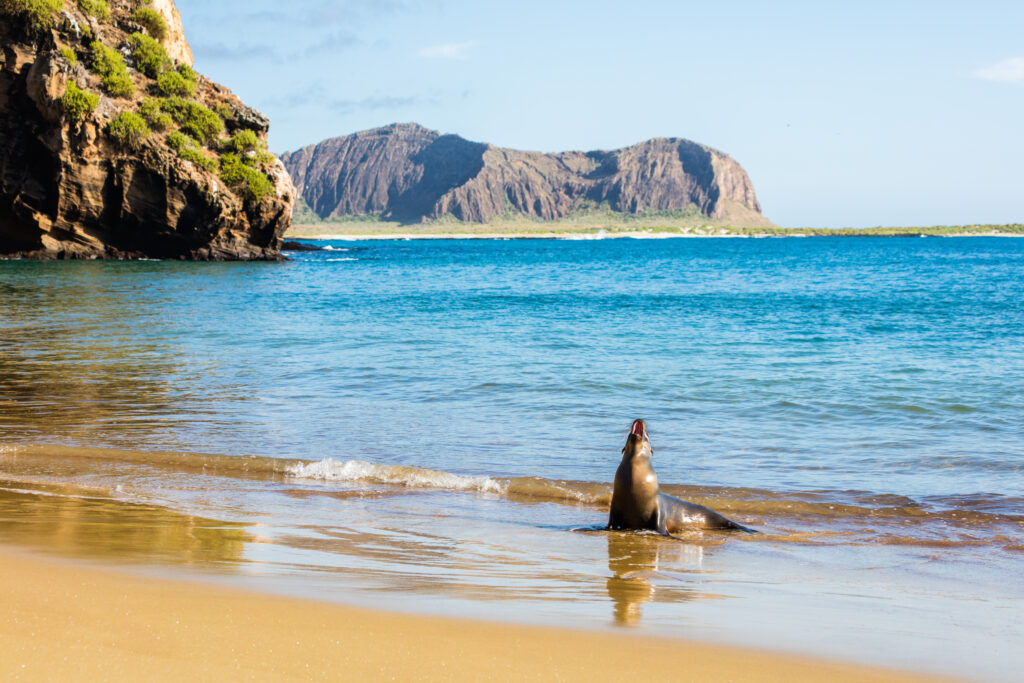
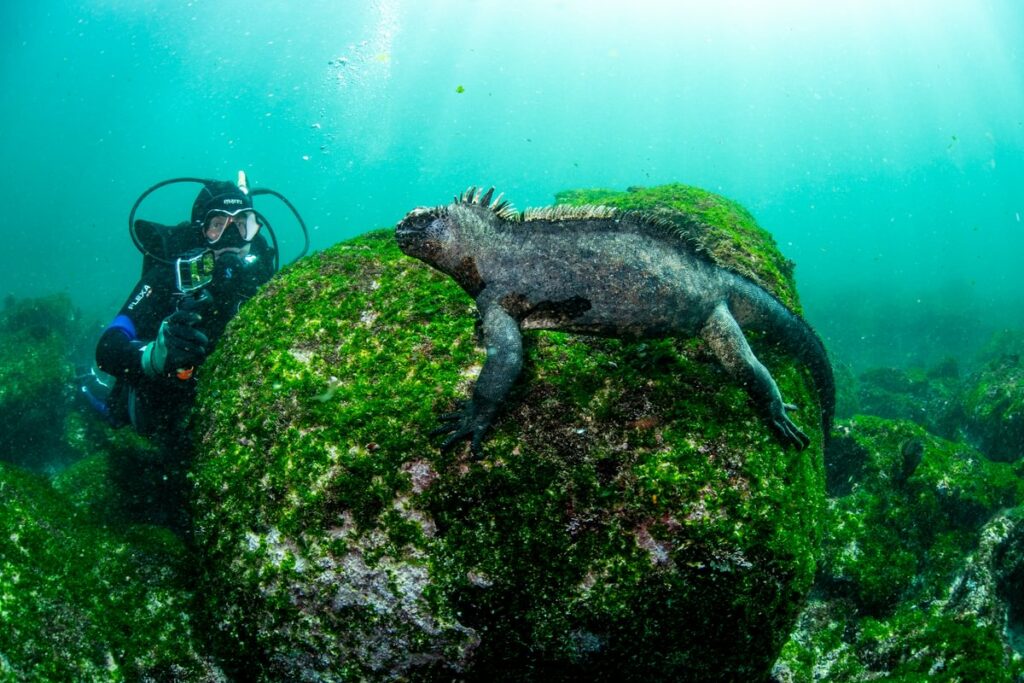
For divers, the remote islands of Wolf and Darwin offer opportunities for extraordinary encounters with schooling hammerheads, whale sharks and other pelagic species.
Want to experience this remarkable UNESCO World Heritage Site yourself? Explore our 2028 Galápagos Liveaboard Adventure, featuring seven nights aboard the Galápagos Master
Learn More about the GalapogosKomodo National Park, Indonesia
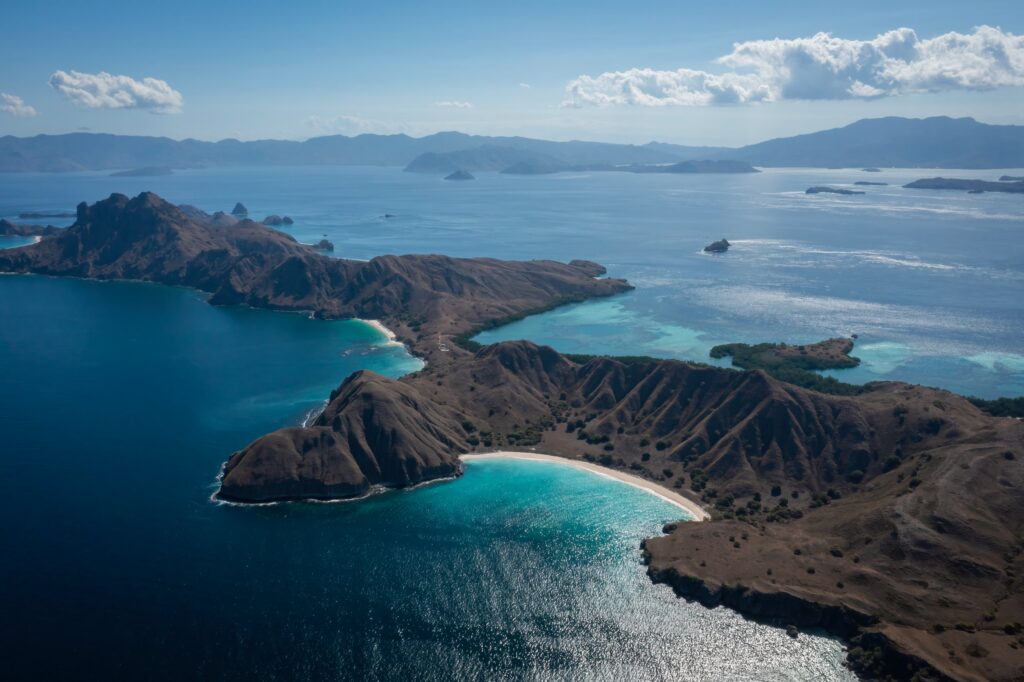
Komodo National Park is best known for its famous Komodo dragons, but beneath the surface lies an equally extraordinary world.
Located within Indonesia’s Coral Triangle region, the park supports exceptional marine biodiversity. Nutrient-rich currents sustain vibrant coral reefs, while manta rays, reef sharks, turtles and countless reef fish inhabit its waters.
During our 2026 Manta Trust expedition, we spent ten days exploring Komodo’s underwater landscapes.
Our adventures included multiple visits to manta aggregation sites, encounters with black-morph manta rays and opportunities to contribute to ongoing manta research.
We also explored the park above the surface, visiting its famous dragons and experiencing the dramatic landscapes of this remarkable archipelago.
Komodo demonstrates how conservation, scientific research and responsible tourism can work together to support the protection of important marine habitats.
Revillagigedo Archipelago (Socorro), Mexico
Far off Mexico’s Pacific coast, the Revillagigedo Archipelago is a remote volcanic island group known for its exceptional marine biodiversity.
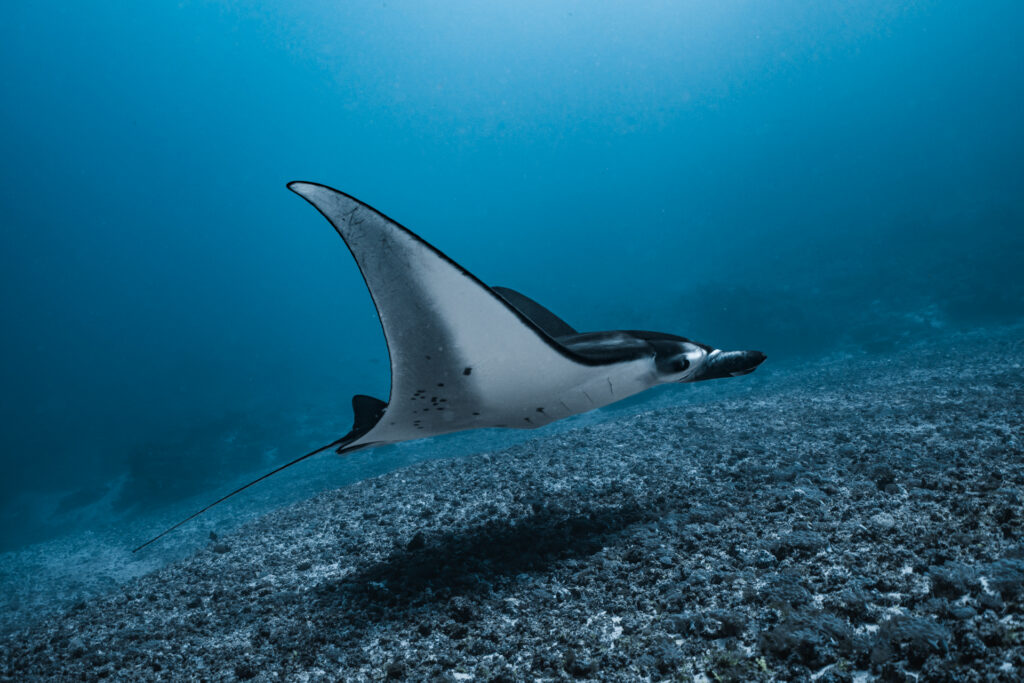
Often referred to by divers as Socorro, the archipelago is particularly famous for its giant oceanic manta rays, which sometimes approach divers with remarkable curiosity.
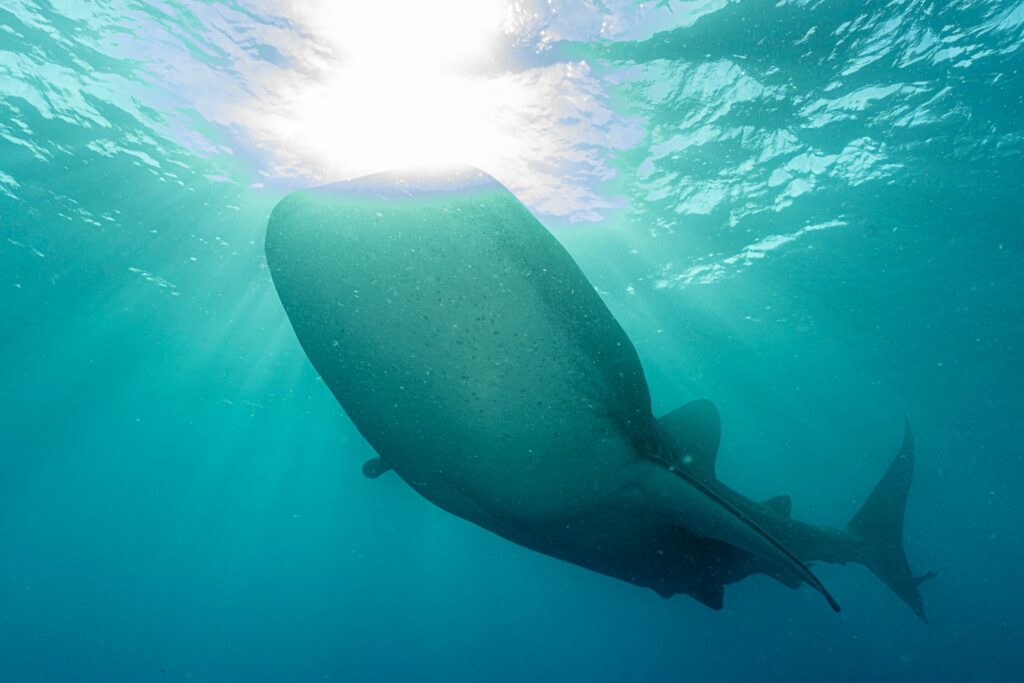
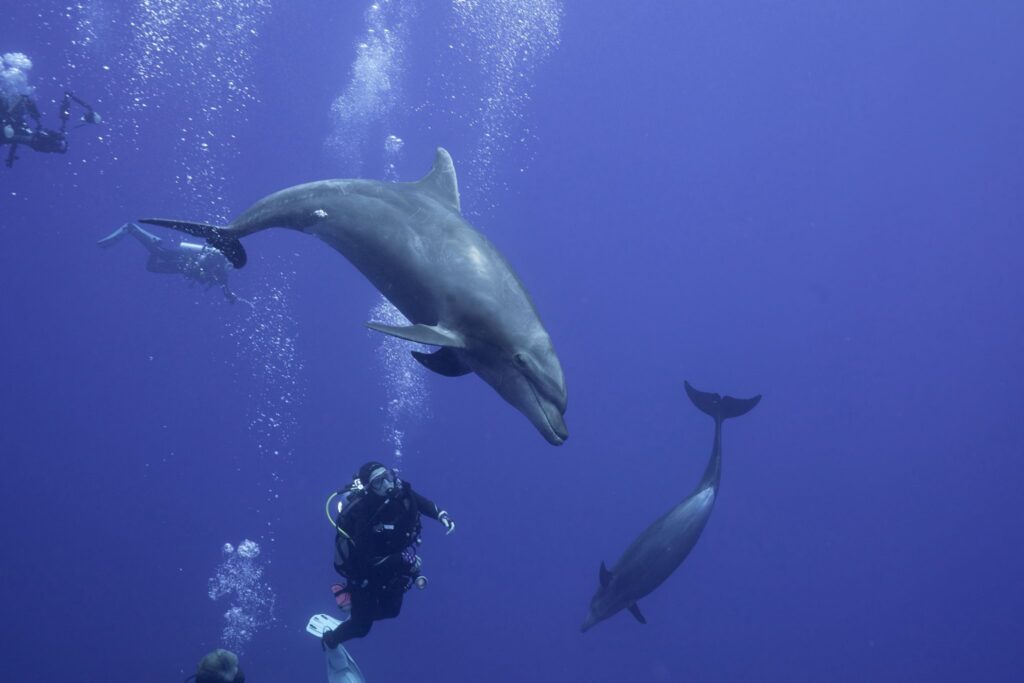
During our 2026 Socorro expedition, we experienced incredible encounters with oceanic mantas, dolphins and several shark species, including schooling hammerheads. We even encountered a whale shark during a safety stop!
These experiences are a powerful reminder of why protecting remote marine ecosystems matters.
The islands provide important habitat for sharks, manta rays and other migratory species. Their location within the broader Eastern Tropical Pacific also highlights the importance of international marine conservation.
For divers, reaching this remote destination requires a liveaboard journey, but the opportunity to experience its extraordinary marine life makes the adventure unforgettable.
UNESCO World Heritage Sites in the Caribbean
The Caribbean is famous for its turquoise waters, vibrant coral reefs and tropical landscapes. But beyond its beautiful beaches, the region has a fascinating history and several UNESCO World Heritage Sites worth exploring.
From volcanic peaks and lush rainforests to historic fortresses and colonial trading ports, these destinations offer opportunities to experience the Caribbean’s natural and cultural heritage.
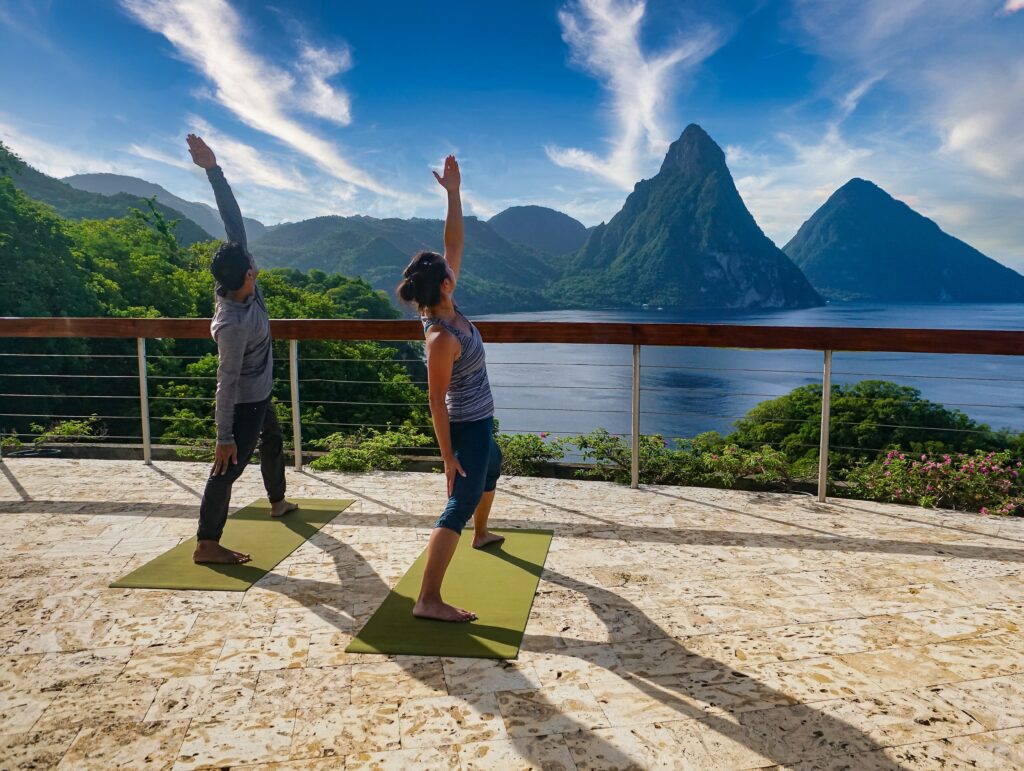
Pitons Management Area, St. Lucia
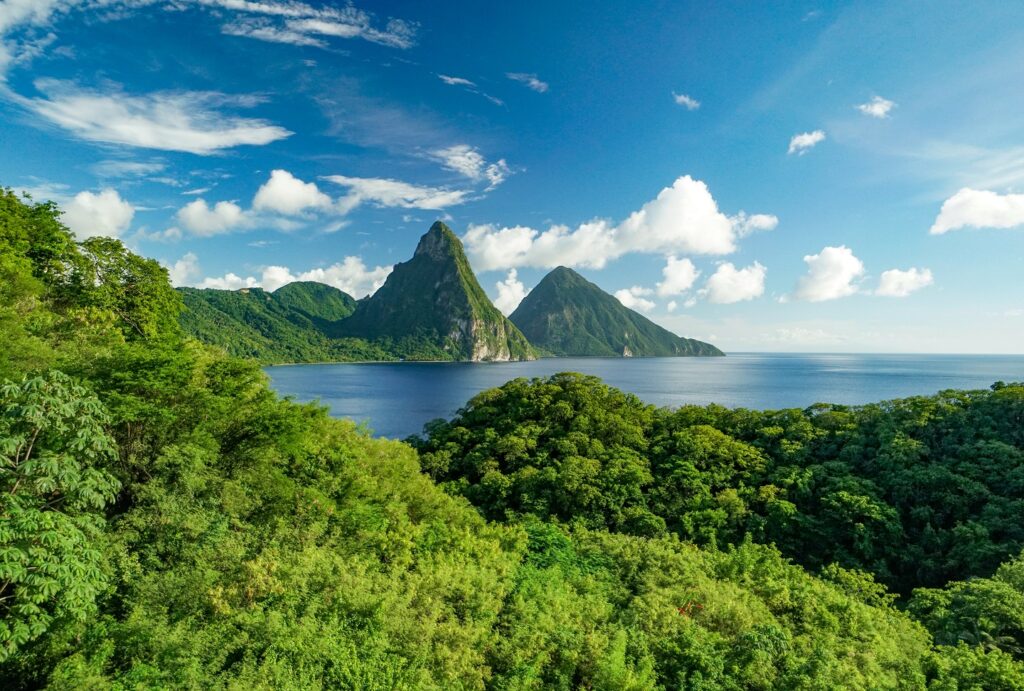
Rising dramatically from the Caribbean Sea, Gros Piton and Petit Piton are among St. Lucia’s most recognizable natural landmarks.These volcanic formations are part of the UNESCO-listed Pitons Management Area, which encompasses terrestrial and marine environments.
The surrounding landscape includes tropical forests, volcanic features and coral reefs, creating an extraordinary combination of natural attractions.
For divers, the waters around Soufrière offer colorful reefs, dramatic underwater topography and an abundance of marine life.Above the surface, visitors can explore the island’s volcanic landscapes, waterfalls and tropical vegetation.
Discover More of the Caribbean
From the UNESCO-listed Pitons of St. Lucia to the historic fortifications of Statia and Grenada, the Caribbean offers far more than beautiful beaches and exceptional diving.
Exploring these destinations helps us better understand the people, cultures and natural environments that make each island unique.
Discover more in our Underrated Caribbean Dive Destinations guide, where we explore some of the region’s fascinating islands and their above-and-below-the-surface adventures.
Exploring Cultural World Heritage Sites
Not every extraordinary adventure happens underwater.
UNESCO also recognizes places that preserve important aspects of human history, architecture and cultural identity.
These destinations offer opportunities to discover the stories behind remarkable structures and understand how people have shaped the world around them.
Neuschwanstein Castle, Germany
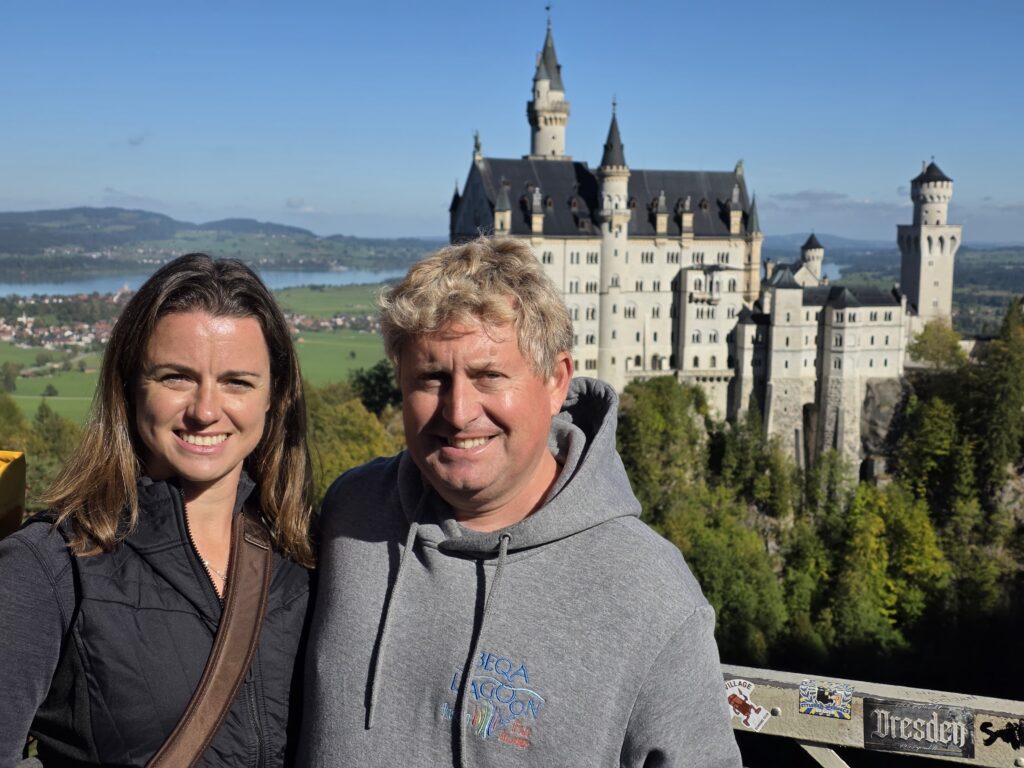
Perched above the Bavarian countryside, Neuschwanstein Castle looks like something straight out of a fairy tale.
Commissioned by King Ludwig II in the 19th century, the castle reflects his fascination with medieval legends, romantic architecture and the operas of Richard Wagner.
In 2025, Neuschwanstein and three other royal residences of Ludwig II were collectively added to the UNESCO World Heritage List, recognizing their architectural and cultural significance.
During our Oktoberfest and Bavarian Escapade, visiting Neuschwanstein was one of the highlights of our adventure.
Exploring the castle gave us an opportunity to learn more about Ludwig II, his extraordinary imagination and the history of Bavaria.
It also demonstrated why we love combining cultural experiences with our adventures. Understanding the stories behind a destination makes the experience even more memorable.
From the castle’s dramatic Alpine setting to its elaborate interiors, Neuschwanstein offers a fascinating glimpse into 19th-century Bavarian history.
Machu Picchu, Peru
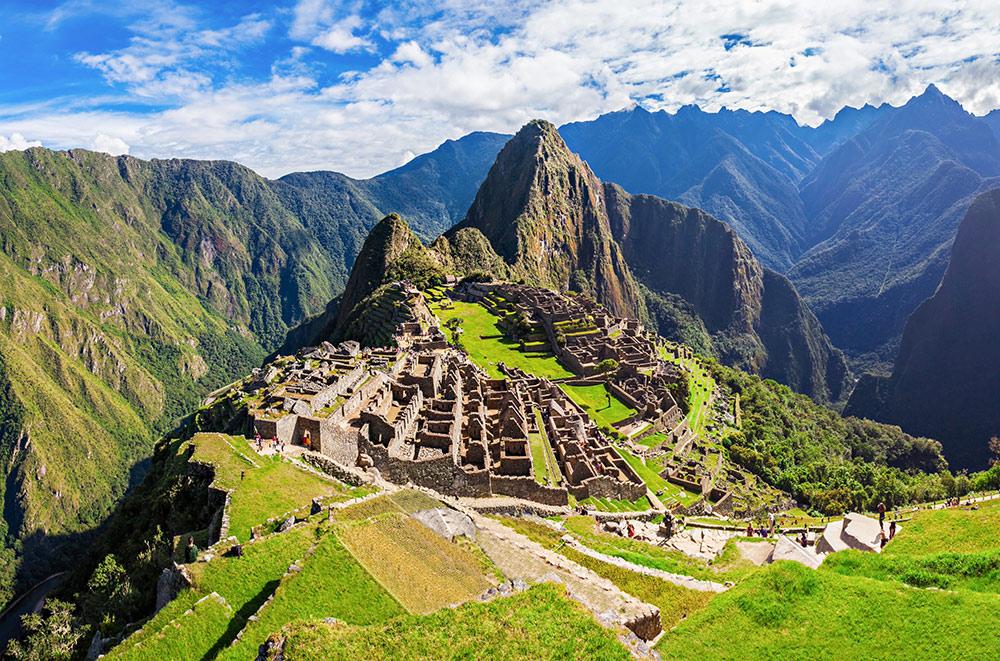
High in the Peruvian Andes, Machu Picchu is one of the world’s most remarkable archaeological sites.
Built during the height of the Inca Empire in the 15th century, the ancient city is celebrated for its sophisticated stonework, agricultural terraces and extraordinary mountain setting.
Unlike sites recognized exclusively for their cultural or natural significance, Machu Picchu is a mixed UNESCO World Heritage Site.
Its designation recognizes both the achievements of the Inca civilization and the surrounding mountain ecosystems, which support exceptional biodiversity.
Machu Picchu demonstrates the relationship between human history and the natural environment.
For visitors, it offers an opportunity to explore an extraordinary cultural landscape while learning about the importance of preserving both archaeological heritage and fragile mountain ecosystems.
Does UNESCO World Heritage Status Guarantee Protection?
UNESCO recognition brings international attention to places of exceptional importance, but designation alone does not guarantee their protection.
World Heritage Sites can face significant challenges, including climate change, habitat degradation, pollution and the pressures of tourism.
Marine destinations are particularly vulnerable to warming oceans, coral bleaching and overfishing.
Cultural sites face different challenges, including erosion, development and the effects of large visitor numbers.
Protecting these destinations requires ongoing management, conservation funding, scientific research and cooperation with local communities.
It also requires visitors to recognize that their choices can have an impact.
How to Visit UNESCO World Heritage Sites Responsibly
Visiting extraordinary places comes with a responsibility to help preserve them.
Whether you’re exploring a coral reef, hiking through a protected landscape or visiting a historic castle, responsible travel can help reduce your impact.
A few ways to make a difference include:
-
Respect wildlife and natural habitats. Maintain appropriate distances, avoid touching marine life and follow local regulations.
-
Choose responsible operators. Support businesses that prioritize conservation, environmental education and sustainable practices.
-
Support local communities. Choose locally owned businesses, respect cultural traditions and contribute to local economies.
-
Stay on designated routes. Follow established trails, diving regulations and visitor guidelines to minimize damage.
-
Learn about your destination. Understanding a site’s history, ecology and conservation challenges makes your visit more meaningful.
Responsible tourism doesn’t mean avoiding these extraordinary places. It means making thoughtful choices that help preserve them.
Beyond Borders: Why Conservation Matters
One of the most important lessons from exploring UNESCO World Heritage Sites is that nature doesn’t recognize the boundaries we create.
Marine animals migrate across international waters, ocean currents connect distant ecosystems, and environmental changes in one region can affect habitats thousands of miles away.
The Eastern Tropical Pacific illustrates these connections particularly well.
Sharks, manta rays, sea turtles and other migratory species move between important habitats, making cooperation between countries essential for their long-term protection.
The same principle applies to cultural heritage. Preserving historic places requires continued investment, education and an appreciation of the communities and traditions connected to them.
UNESCO recognition helps bring attention to these responsibilities, but their long-term success depends on the actions of governments, communities, conservation or
Explore the World With GAS’D
At Global Adventures for Scuba Divers, we believe the most memorable adventures combine extraordinary experiences with a deeper understanding of the places we visit.
From diving alongside giant manta rays in Socorro and exploring Komodo’s remarkable marine ecosystems to discovering the history of Bavaria’s Neuschwanstein Castle, our adventures take us to some incredible corners of the world.
We love sharing these experiences with our travelers, connecting world-class diving with nature, culture and meaningful exploration.
Whether you’re an experienced diver, a wildlife enthusiast or someone who simply loves discovering extraordinary destinations, there’s always another adventure waiting.
Ready to explore? Discover our upcoming adventures and join us as we explore some of the world’s most remarkable destinations.
Explore Our Trips