

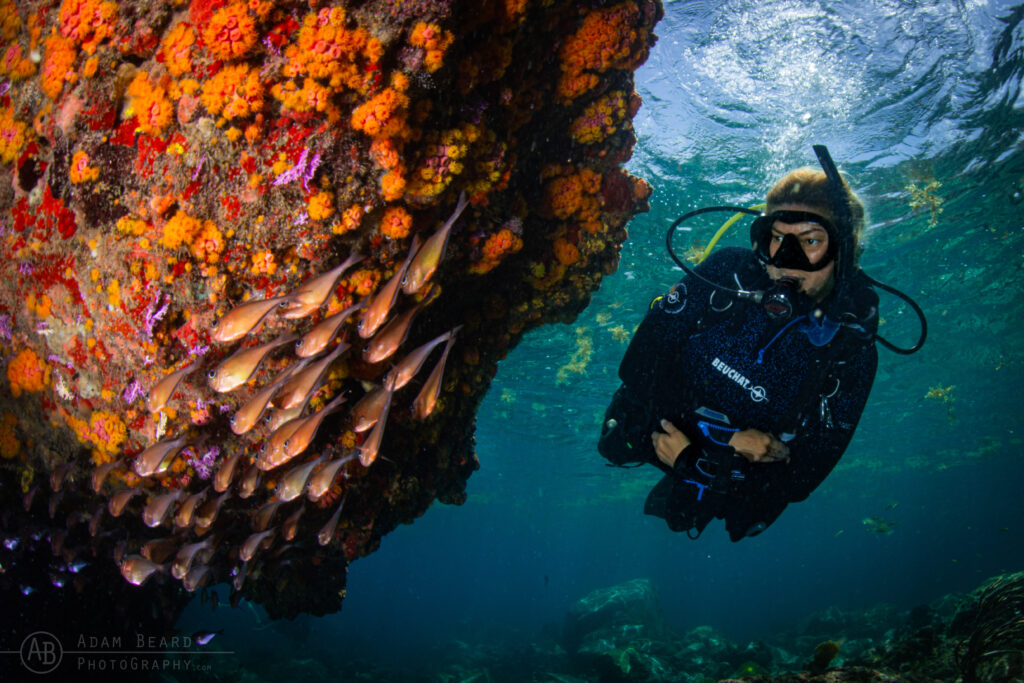
Underrated Caribbean Dive Destinations: Beyond the Usual Hotspots
When divers start talking about the best places to scuba dive in the Caribbean, a few familiar names tend to dominate the conversation. Bonaire. Cozumel. The Cayman Islands. Roatán. And there’s a reason these destinations are popular — they offer fantastic diving.
But the Caribbean is much bigger than its greatest hits.
Some of our favorite Caribbean experiences have happened on islands that don’t necessarily appear at the top of every diver’s bucket list. These are places where dramatic walls, volcanic landscapes, historic wrecks, tiny critters and fascinating history give you plenty to explore — both underwater and after you’ve taken your wetsuit off.
And that’s one of the things we love about a Caribbean dive trip: it doesn’t necessarily have to feel like only a dive trip.
Many Caribbean islands make fantastic tropical vacations in their own right. Beaches, rainforests, waterfalls, hiking, snorkeling, sailing, history, great food and beautiful resorts mean there’s plenty to do between dives — and plenty for non-divers to enjoy while you’re underwater.
For couples, families and groups with a mixture of divers and non-divers, that can be a huge advantage.
Of course, we also have to be honest about Caribbean diving today. The region’s coral reefs have faced enormous challenges, weather and hurricane season can affect travel, and the Caribbean we dive today isn’t necessarily the same Caribbean someone remembers from decades ago.
That doesn’t mean there isn’t incredible diving here. There absolutely is.
It just means that sometimes we need to look beyond the idea that a great Caribbean dive destination is simply the place with the prettiest coral reef.
At Global Adventures for Scuba Divers (GAS’D), we’re drawn to destinations with something more to discover: unusual underwater topography, marine life, wrecks, history, culture and landscapes that make us curious about the place we’re visiting.
If you’re willing to look beyond the Caribbean’s usual hotspots, these underrated Caribbean dive destinations — and one particularly interesting cluster of islands — deserve a closer look.
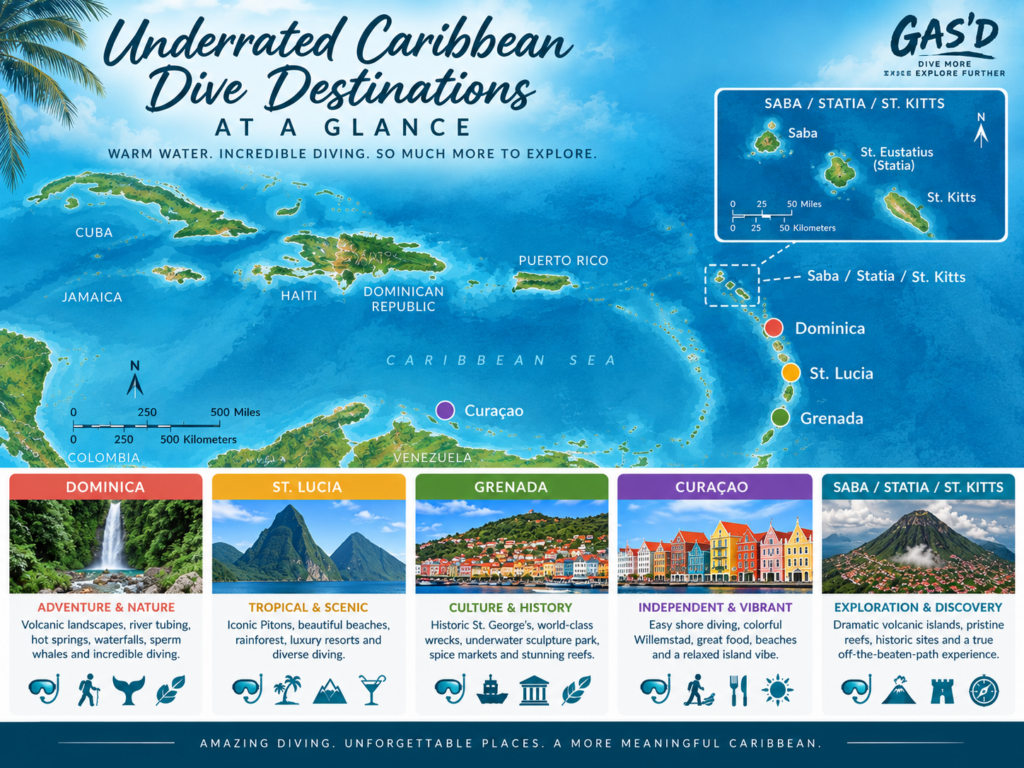
Underrated Caribbean Dive Destinations at a Glance
What makes these places interesting isn’t simply that they’re less famous. Each offers a distinctly different way to experience the Caribbean — and none requires spending every waking moment in scuba gear.
Dominica: The Nature Island, Above and Below the Water
Dominica might be one of the best examples of what we mean when we call a Caribbean dive destination underrated.
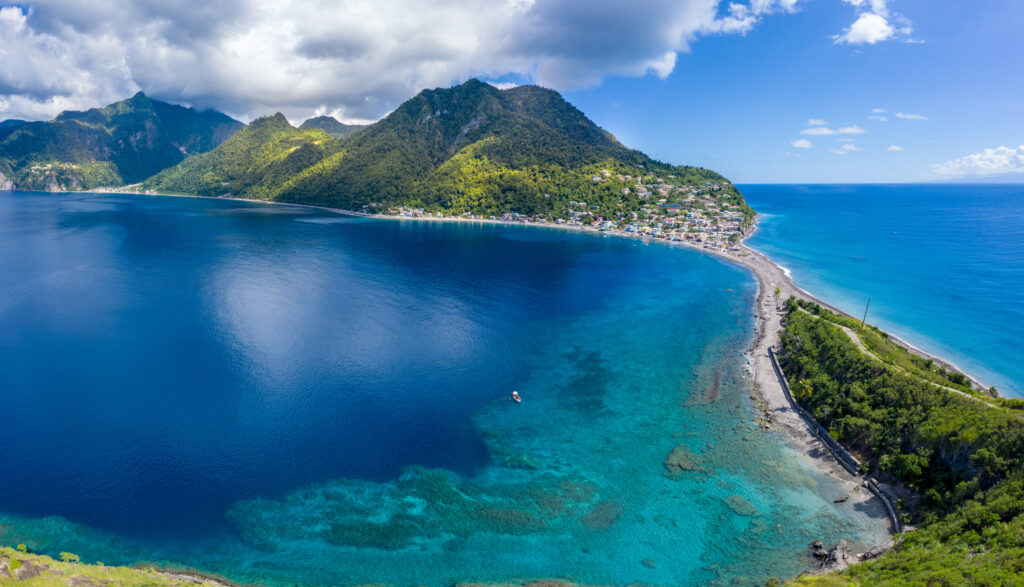
This isn’t an island dominated by sprawling resorts and enormous stretches of developed beachfront. Dominica is mountainous, volcanic and extraordinarily green, earning it the nickname the Nature Island. That dramatic geology doesn’t stop when you reach the shoreline.
Underwater, divers can explore walls, pinnacles, swim-throughs, coral gardens and volcanic formations. Champagne Reef is probably the island’s best-known underwater attraction, where geothermal activity beneath the seafloor sends streams of bubbles through the water.
But after bringing a GAS’D group to Dominica, we’d argue that the island deserves far more attention than Champagne Reef alone.
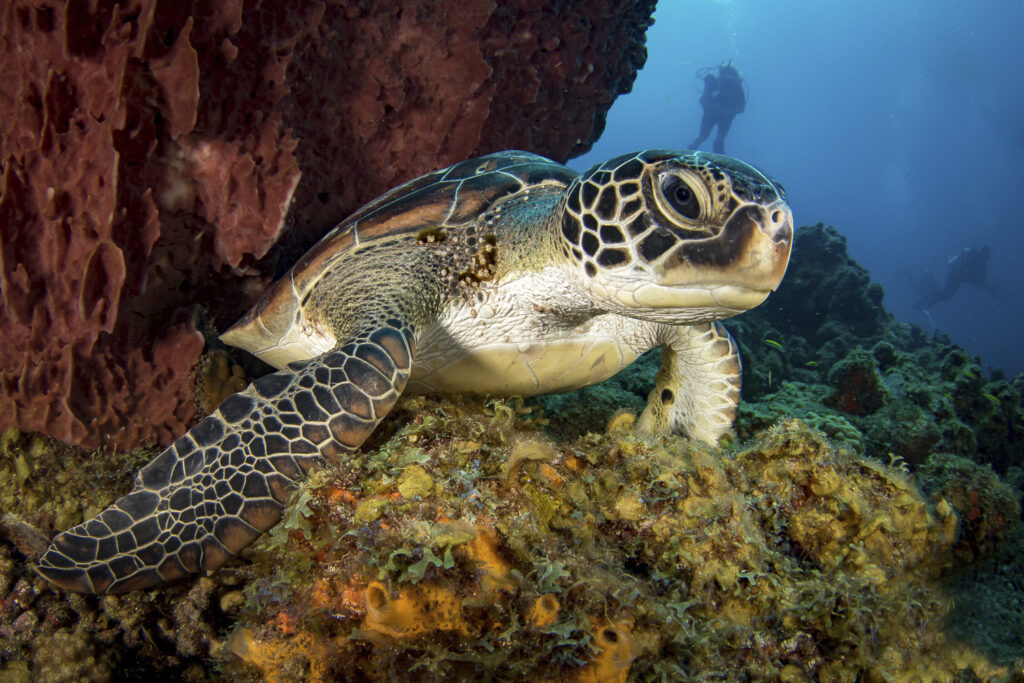
We found an impressive amount of variety. We searched reefs for frogfish and seahorses, explored beautiful walls and encountered turtles, eagle rays and plenty of Caribbean reef life. We even had a surprise encounter with a small manta ray — certainly not something we’d gone to Dominica expecting to see.


And Then There Are the Whales
Dominica is also one of the Caribbean’s most fascinating destinations for sperm whales.
Deep waters close to the island support sperm whales throughout the year, making Dominica an important destination for whale research and responsible whale-watching. Other species of whales and dolphins can also be encountered in the surrounding waters.
If you’re fascinated by whales (we certainly are), our Wonderful World of Whales guide explores these incredible animals, their migrations and some of the best places around the world to encounter them.
That’s a pretty extraordinary addition to an already unusual Caribbean destination.
You can spend one day searching the reef for a tiny seahorse and another out on the water hoping to see the largest toothed predator on Earth.
Sperm whales aren’t something recreational scuba divers should expect to encounter on a dive, but their presence is another reminder of how much is happening in the deep water surrounding these islands.

The Adventure Continues on Land
Here’s the thing about Dominica: we had almost as much fun out of the water as we did underwater.
This isn’t a destination where the non-divers sit by the pool waiting for everyone else to come back. There’s a ton to do.
We went river tubing through the rainforest, soaked in natural hot springs and headed out whale watching in search of the sperm whales that live in the deep waters surrounding the island. There are waterfalls to explore, hiking trails through the mountainous interior, snorkeling, geothermal areas and plenty of opportunities to get out and actually experience the island.
And because Dominica is so lush and volcanic, the activities feel connected to the landscape. The same geology that creates walls and dramatic underwater terrain also gives you mountains, hot springs, waterfalls and rivers above the surface.
That’s a big part of why Dominica surprised us.


We went there for the diving, but it didn’t feel like we were simply filling the hours between dives when we explored the island. The topside adventures became some of the highlights of the trip.
That makes Dominica particularly good for mixed groups. A non-diver could easily come along and have a fantastic vacation without ever putting on a tank — while divers still get plenty of underwater time.
Why we think it’s underrated: The diving is varied, but add sperm whales, river tubing, volcanic landscapes, rainforest, waterfalls and hot springs and Dominica starts looking less like a simple Caribbean dive destination and more like a full adventure.
Best for: Nature lovers, adventurous travelers, macro fans, whale lovers, active travelers and mixed groups of divers and non-divers.
St. Lucia: The Famous Island Divers Sometimes Overlook
Calling St. Lucia an undiscovered Caribbean island would be ridiculous.
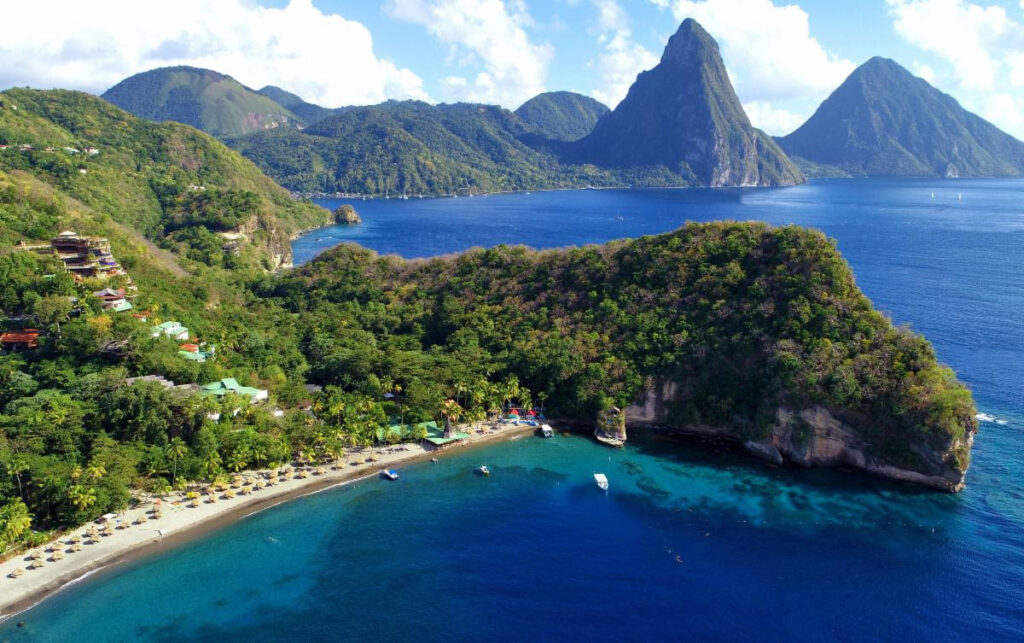
Those famous Pitons appear on postcards, honeymoon advertisements and travel bucket lists around the world.
But there’s a difference between being a famous Caribbean destination and being a famous Caribbean dive destination.
St. Lucia doesn’t always receive the same attention from divers as Bonaire, Cozumel or the Cayman Islands, despite having plenty happening below the surface.
The same volcanic geology responsible for the island’s dramatic scenery continues underwater, creating walls, slopes, pinnacles and reefs. Around Soufrière, dive sites sit beneath the Pitons themselves, giving divers an underwater perspective on the landscape that makes St. Lucia famous.
There’s also plenty of smaller life to look for, including some of our favorite Caribbean critters.
And St. Lucia has another major advantage: you absolutely don’t have to be a diver to love it.
Rainforest, waterfalls, volcanic landscapes, beaches, hiking, snorkeling and beautiful resorts make it particularly appealing for couples, families or groups where only some people dive.
A diver can spend the morning exploring beneath the Pitons while a non-diving partner spends the day at the beach, hiking, visiting waterfalls or simply enjoying the resort — and everyone still feels like they’re on the same vacation.
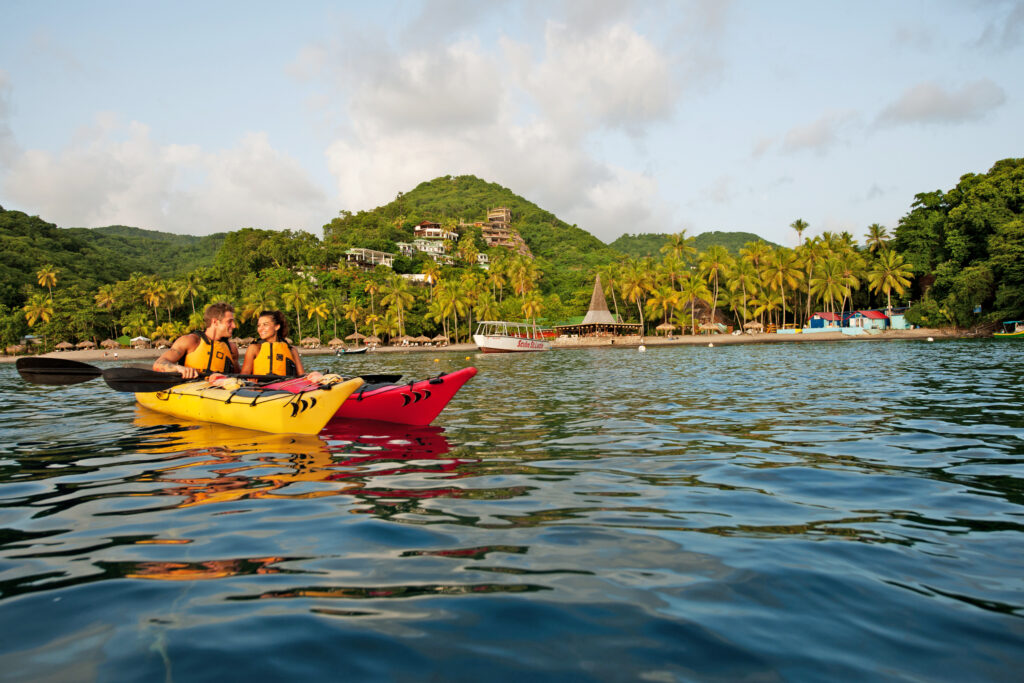
That’s something we think gets overlooked when choosing a dive destination. Sometimes the best dive trip isn’t the place with nothing to do except dive. It’s somewhere you can have an incredible morning underwater and still feel like there’s an entire island waiting for you afterward.
Why we think it’s underrated: Everyone knows St. Lucia. Far fewer divers seem to think of it first when planning a Caribbean dive vacation.
Best for: Divers traveling with non-divers, couples, families and anyone who wants serious diving wrapped inside a tropical Caribbean vacation.
Grenada: The Caribbean’s Wreck-Diving Surprise
If your ideal dive vacation involves history, marine life and a very large ship sitting underwater, Grenada should probably be on your radar.
The island’s headline dive is the Bianca C, a former luxury passenger ship that sank off Grenada in 1961. It’s an enormous wreck and one of the reasons Grenada has earned a following among experienced wreck divers.
But Grenada’s diving doesn’t begin and end with the Bianca C.
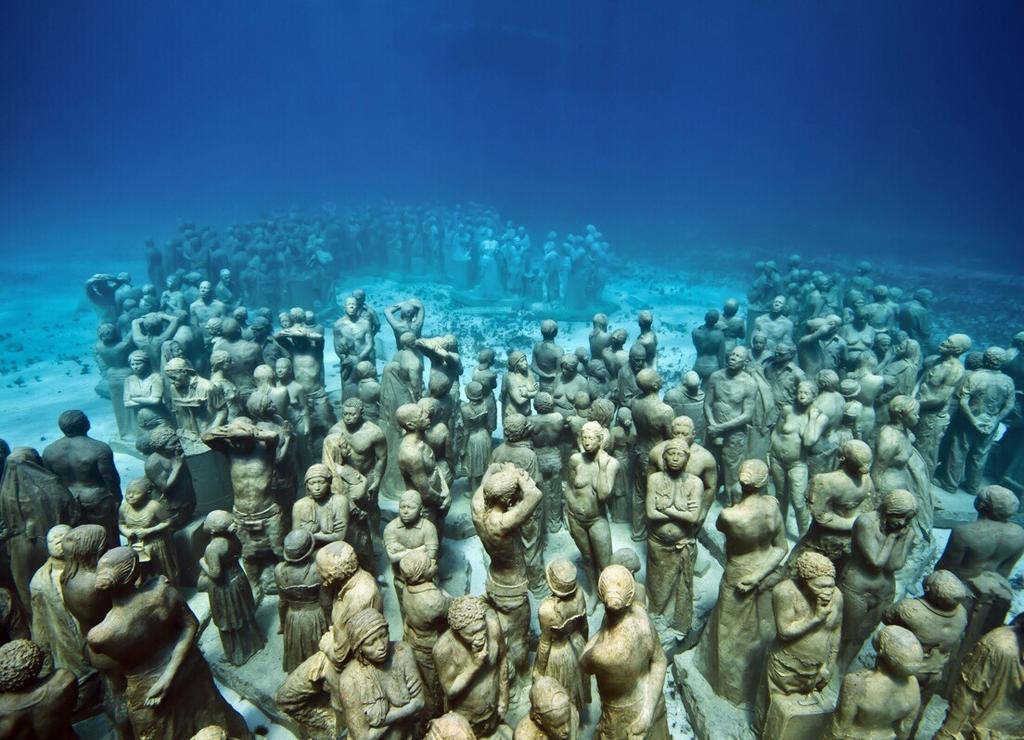
There are numerous other wrecks around the island, along with reefs and the Molinere Underwater Sculpture Park, where submerged sculptures have gradually become part of the marine environment. Several pieces draw inspiration from Grenadian culture and history, making it much more than an underwater photo stop.
That connection between the underwater experience and the island itself is one reason Grenada catches our attention.
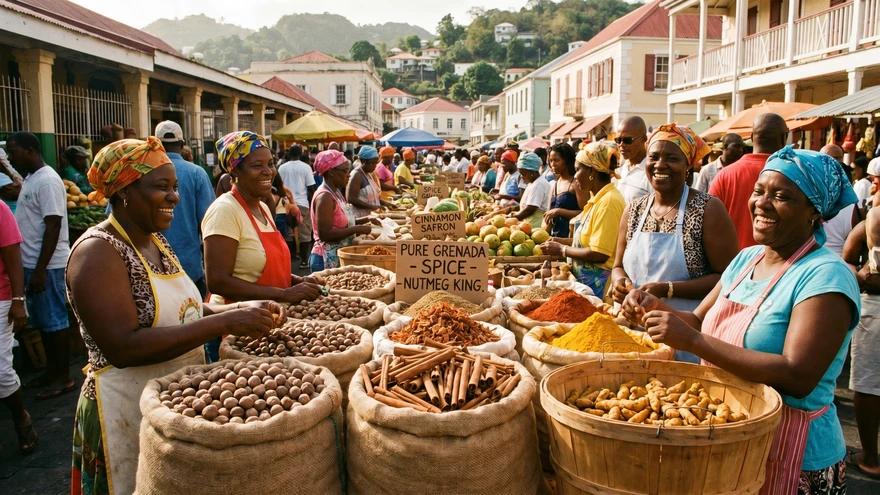
Known as the Spice Island, Grenada is famous for nutmeg, cocoa and other spices, but its history extends far beyond agriculture. Indigenous history, European colonization, slavery, revolution and political upheaval have all shaped the island.
Today, colorful St. George’s, historic forts, spice estates, beaches and local food give travelers plenty to discover between dives — and plenty for non-divers to build an entire vacation around.
Why we think it’s underrated: Grenada is well known among serious wreck divers, but deserves more attention from Caribbean dive travelers generally. The combination of wrecks, reefs, history, food, beaches and culture makes it far more than a one-wreck destination.
Best for: Wreck divers, history lovers, mixed diver/non-diver groups and travelers who want their dive vacation to include plenty of exploration on land.
Curaçao: More Than Bonaire’s Neighbor
Mention shore diving in the Caribbean and one island tends to immediately enter the conversation: Bonaire.
Right next door, Curaçao sometimes gets treated as the other Dutch Caribbean dive island.That’s selling it a little short.
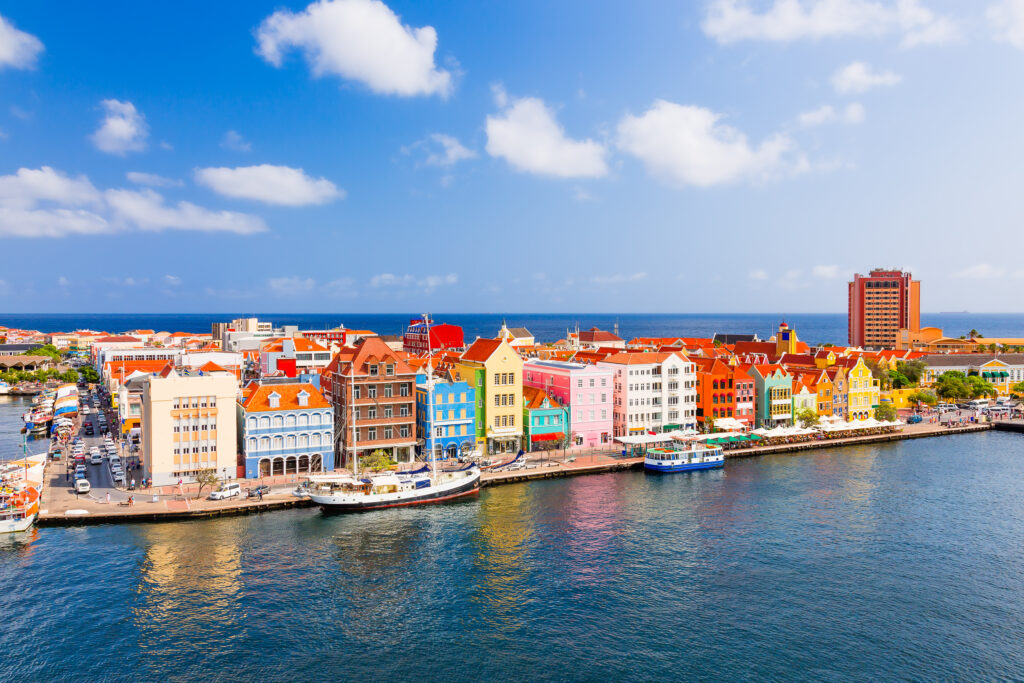
Curaçao offers extensive shore-diving opportunities, allowing divers to explore reefs without building every day around a boat schedule. For divers who like independence, there’s something wonderful about being able to load up your gear and decide where you’re diving next.
But Curaçao also offers a very different experience once the wetsuit comes off.
The historic center of Willemstad is a UNESCO World Heritage Site, instantly recognizable for its colorful Dutch-Caribbean architecture. The island’s languages, food, architecture and culture reflect centuries of interaction among Indigenous Caribbean peoples, Europeans, Africans and communities from across the region.
Add beaches, snorkeling, restaurants and resorts, and this is another destination where the non-diver doesn’t have to feel like the person who accidentally booked a scuba vacation.
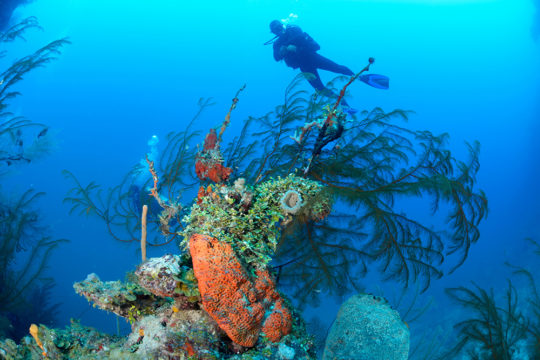
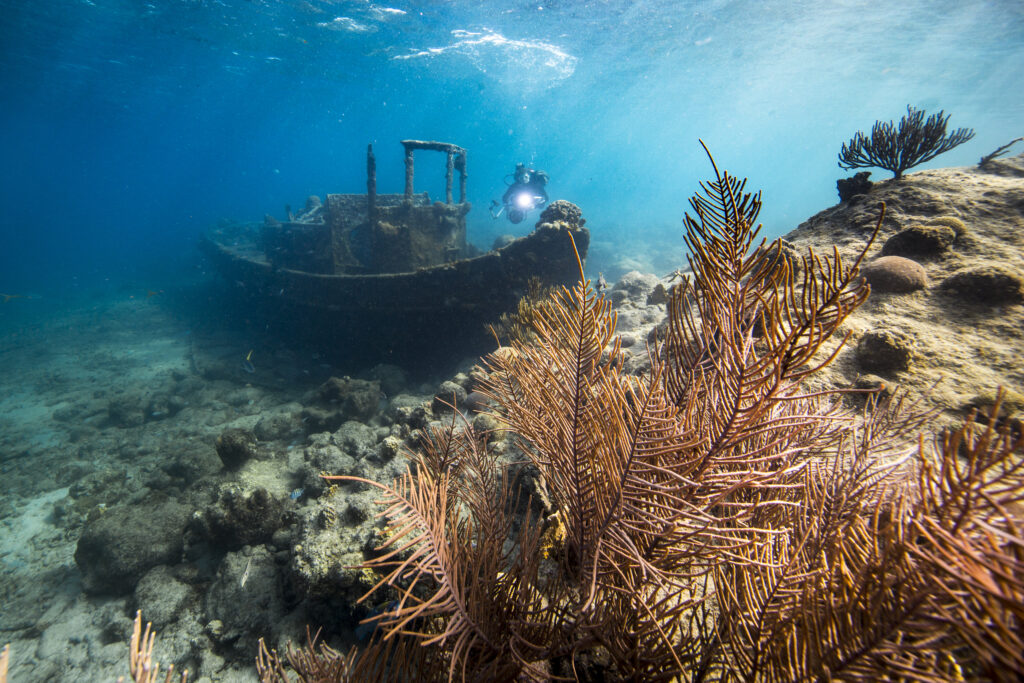
You can spend the morning underwater, wander through one of the Caribbean’s most distinctive cities in the afternoon and head somewhere entirely different the following day.
Why we think it’s underrated: Curaçao isn’t unknown, but it often gets overshadowed by Bonaire in diving conversations. Its combination of accessible diving, independence, beaches, culture and history deserves its own attention.
Best for: Shore-diving fans, independent travelers, mixed groups and divers who want food, beaches, history and culture to be a substantial part of the trip.
Saba, Statia & St. Kitts: Three Islands, One Fascinating Corner of the Caribbean
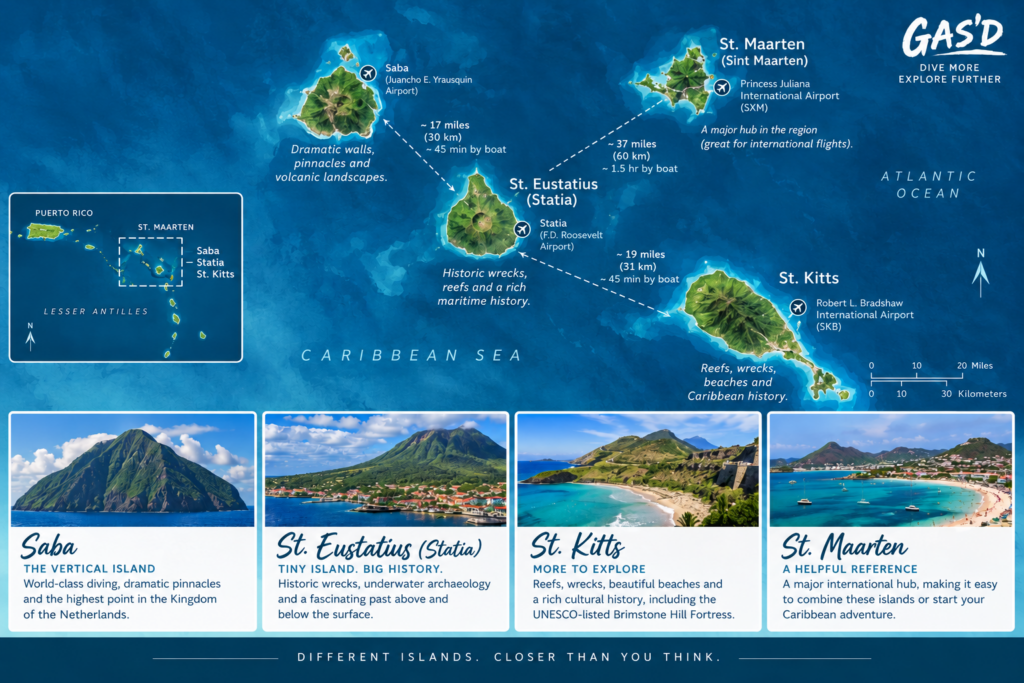
Look at a map of the northeastern Caribbean and you’ll find Saba, St. Eustatius (Statia) and St. Kitts clustered remarkably close together.
They’re neighbors, but they’re certainly not interchangeable.
Together, they form a fascinating little corner of the Caribbean where volcanic geology, maritime history and very different styles of diving come together.
We’ve already had the opportunity to explore Statia with a GAS’D group, and it quickly became one of those places that made us wonder why more divers aren’t talking about this region.
Statia: Tiny Island, BIG History
Statia is small. Really small. But you’d never guess that from its history.
During the 18th century, the island became one of the Caribbean’s most important trading ports. Ships arrived from across the Atlantic world, and Statia’s role in international trade became wildly disproportionate to the size of the island itself.
Today, pieces of that maritime history remain underwater.
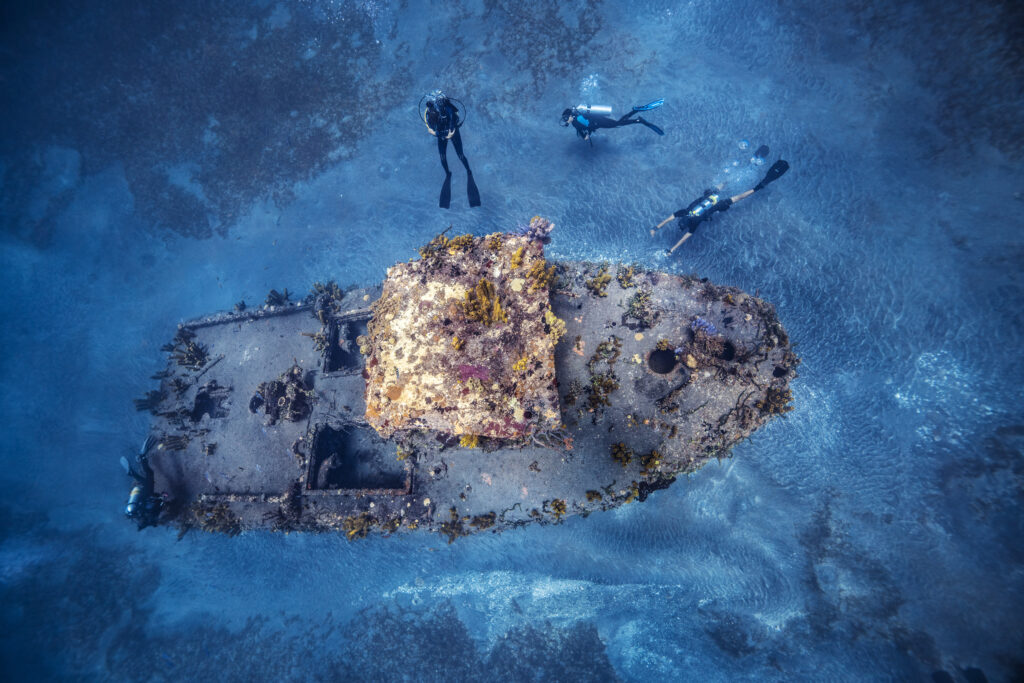
Divers can explore reefs, pinnacles, modern wrecks and archaeological sites where historic anchors and other remnants hint at the thousands of ships that once passed through these waters. If you’re curious about what it’s actually like to dive here, our complete guide to diving in Statia takes a deeper look at the island’s dive sites, conditions, marine life and what to expect. One of the best-known modern wrecks is the enormous Charles L. Brown, now home to marine life.
When we visited Statia, though, one of the things we loved most wasn’t a particular dive site. It was the quiet.
It was the quiet.
We weren’t surrounded by fleets of dive boats or crowds of tourists. The diving felt relaxed, and the island itself still felt like somewhere you could slow down enough to actually learn about the place you were visiting.
Topside, that history continues. Statia famously fired what became known as the First Salute in 1776, an event closely tied to the early history of the United States.
For such a tiny island, Statia has an astonishing amount of story packed into it.
Saba: A Mountain Rising From the Sea
Saba looks almost improbable.
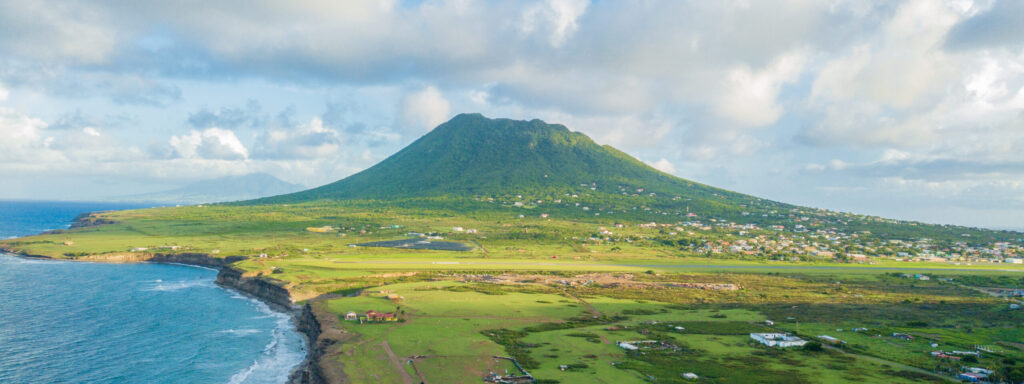
The island rises steeply from the Caribbean, essentially the exposed summit of a volcanic mountain. There are no sprawling beaches and very little flat land.
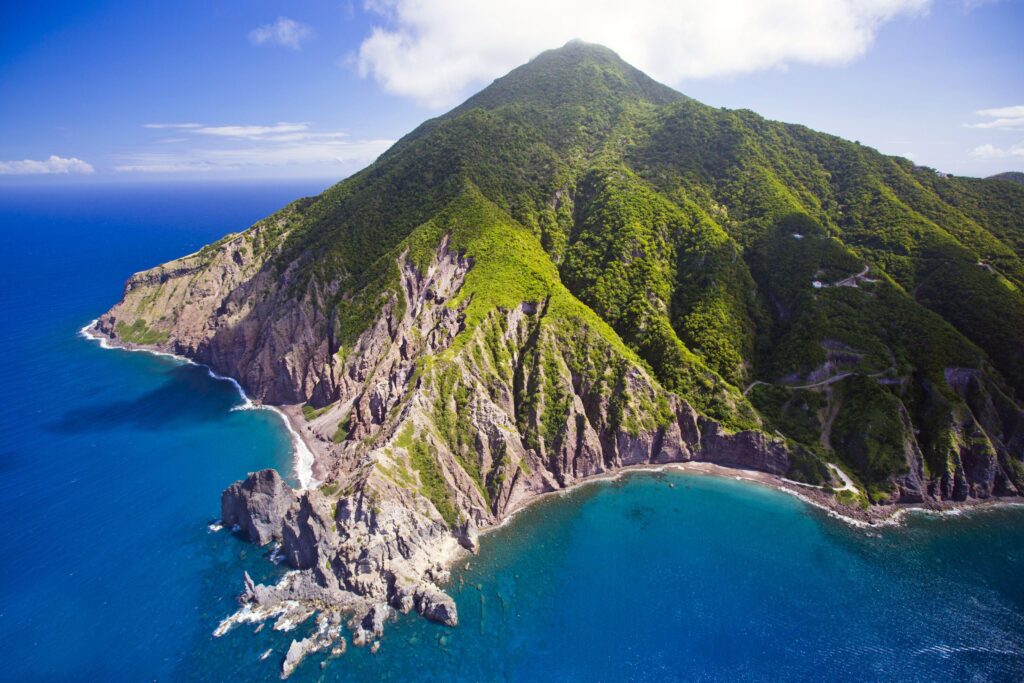
Rather than being known primarily for shore diving or shallow reef systems, Saba is famous for walls, pinnacles and volcanic formations. Offshore pinnacles rise from deep water toward recreational diving depths, creating dramatic underwater scenery and opportunities to encounter reef life as well as passing pelagics.
The protected waters of Saba Marine Park surround the island, helping preserve the environment that makes diving here so distinctive.
And Saba doesn’t become less vertical when you get out of the water.
Hikers can head toward Mount Scenery through lush vegetation and cloud forest, reaching the highest point in the Kingdom of the Netherlands.
It’s the kind of place that seems designed for travelers who don’t mind earning the view.
St. Kitts: Reefs, Wrecks & Caribbean History
St. Kitts brings something different to this trio.
The island has more tourism infrastructure than tiny Saba or Statia, but it also offers reefs, wrecks and varied Caribbean diving alongside beaches, resorts and a substantial amount to explore on land.
And the history here is difficult to ignore.
Which Caribbean Dive Destination Is Right for You?
Part of what makes the Caribbean so interesting is that these islands aren’t interchangeable.
DOMINICA
For the adventurer who wants to do everything.
✓ Dramatic walls + macro
✓ Sperm whales
✓ River tubing + hot springs
✓ Fantastic for active non-divers
Best match: Nature lovers · Whale lovers · Active travelers
ST. LUCIA
For the diver who also wants a tropical vacation.
✓ Diving beneath the Pitons
✓ Beaches + rainforest
✓ Great resorts
✓ Excellent for non-diving partners
Best match: Couples · Resort lovers · Mixed groups
Grenada
For the diver who gets excited about wrecks.
✓The enormous Bianca C plus numerous other wrecks
✓Reefs and the underwater sculpture park
✓Beaches and classic Caribbean scenery
✓Fascinating history and spice culture
✓Plenty of food, culture and exploring between dives
Best match: Wreck divers · History lovers · Foodies · Travelers who like a little bit of everything
Curacao
For the independent traveler.
✓Extensive shore-diving opportunities
✓Freedom to build your own diving schedule
✓Beaches and snorkeling for non-divers
✓Colorful Willemstad, restaurants and nightlife
✓ A different cultural experience from many Caribbean dive islands
Best match: Shore divers · Independent travelers · Couples · Food and culture lovers
Saba, Statia & St. Kitts
For the explorer who wants something different.
- Three very different islands surprisingly close together
- Saba’s dramatic pinnacles and volcanic underwater terrain
- Statia’s quiet diving, wrecks and maritime archaeology
- St. Kitts’ reefs, wrecks, beaches and historical sites
- Island hopping adds another layer of adventure
- Remarkable maritime history — including Statia’s role as one of the Caribbean’s most important 18th-century trading ports
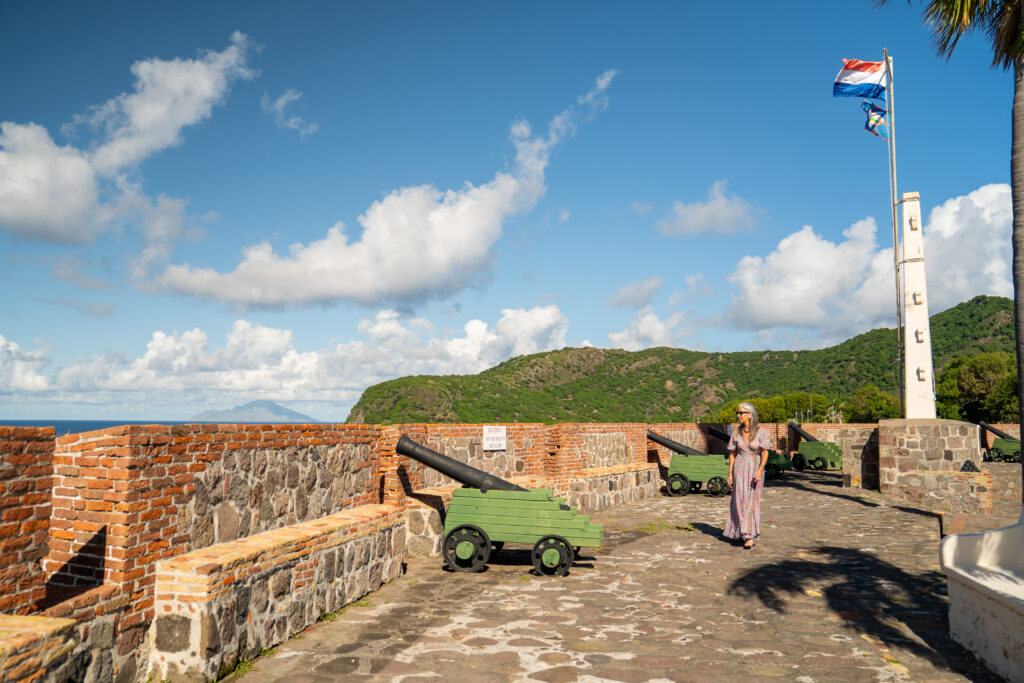
- Centuries of Caribbean history above water, from Statia’s First Salute to St. Kitts’ UNESCO-listed Brimstone Hill Fortress
Warm Water, Fewer Crowds & Hurricane Season: Know Before You Go
One of the great things about Caribbean diving is that there’s really no single “Caribbean dive season.” You can find warm water and good diving somewhere in the region throughout the year.
But there are trade-offs.
Travel during the quieter months and you may find fewer tourists, less crowded dive sites and better resort rates. Those same months can also bring more rain to some islands — and, depending on where you’re traveling, overlap with Atlantic hurricane season.
Atlantic hurricane season officially runs from June through November, with activity typically peaking later in the summer and into early fall. That doesn’t mean a hurricane is going to interrupt your trip. Most Caribbean vacations during those months happen without one. But it does mean weather deserves a little more consideration when you’re choosing an island and booking your travel.
Location matters, too.
Dominica, St. Lucia, Grenada, St. Kitts, Statia and Saba can all be affected by tropical weather, although the risk and typical weather patterns vary. Curaçao sits much farther south and outside the main hurricane belt, giving it a somewhat different weather profile from many of the other destinations in this guide.
Rain is another consideration — particularly on the lush, mountainous islands.
There’s a reason places like Dominica and St. Lucia are so spectacularly green. Tropical rain helps create the rainforests, waterfalls and dramatic landscapes that make these islands so appealing above water. Sometimes a passing shower is simply part of the experience.
And there can be an upside to traveling outside the busiest season: fewer people.
Warm water, quieter resorts and dive sites that aren’t packed with boats can be a pretty appealing trade-off — as long as you understand that Mother Nature gets a vote.
This is also one of the many reasons we recommend travel insurance for dive trips, particularly when traveling during periods when tropical weather could affect flights or an itinerary.
The goal isn’t necessarily to avoid an entire season. It’s to understand the trade-offs and choose the destination, timing and travel protection that make sense for your trip.
A Realistic Look at Caribbean Coral Reefs
We can’t write a guide to Caribbean diving without talking about the coral.
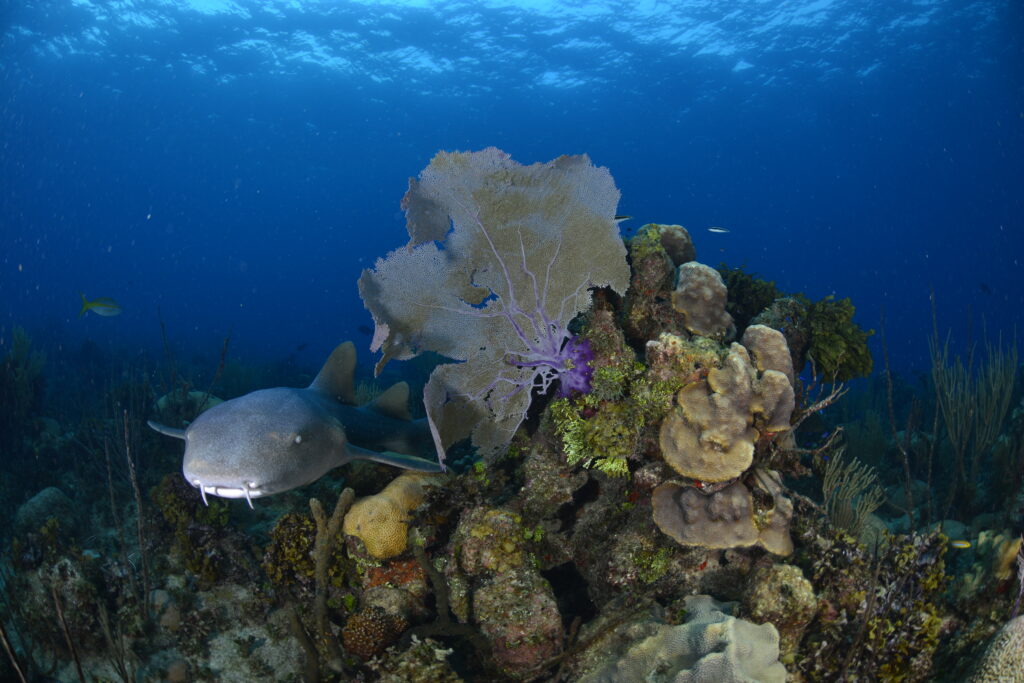
The region’s reefs are under tremendous pressure. Rising ocean temperatures have contributed to widespread bleaching, while coral disease, pollution, coastal development, hurricanes and other stressors have affected reefs throughout the Caribbean.
And the impact isn’t identical everywhere.
Conditions can vary between islands, between different sides of the same island and even from one dive site to another. You can have a disappointing dive followed by a beautiful one a few miles away.
For divers, that makes expectations important.
We try to be cautious about throwing around words like “pristine” when describing Caribbean reefs. There are absolutely still beautiful reefs and impressive coral formations to explore, but there are also places where the effects of bleaching and coral loss are impossible to ignore.
Fortunately, coral isn’t the only reason to dive the Caribbean.
Volcanic walls and pinnacles, shipwrecks, underwater archaeological sites, macro life and larger marine animals can make a dive memorable even when coral coverage isn’t what it once was.
And the reefs that remain are worth protecting. Good buoyancy, keeping our hands and fins off the reef, respecting marine life, supporting marine parks and choosing responsible dive operators won’t solve warming oceans, but they’re part of being a responsible visitor to an ecosystem already facing considerable pressure.
The Caribbean is changing. That’s not a reason to stop exploring it.
It’s a reason to explore it thoughtfully.
The Caribbean Still Has Plenty Left to Discover
One of the reasons we keep coming back to the Caribbean is that it continues to surprise us.
We’ve already had the opportunity to explore places like Dominica and Statia with GAS’D travelers, and both reinforced something we’ve learned again and again through dive travel: the destination everyone talks about isn’t always the destination you’ll talk about most when you get home.
Sometimes it’s the tiny island you barely knew existed.
Sometimes it’s a wreck you hadn’t heard of, a frogfish hiding in plain sight or a dive site where your group seems to have the entire reef to itself. And sometimes the best part happens after you’ve taken the wetsuit off — hiking through rainforest, walking through centuries of history or sitting somewhere wondering how a place this interesting managed to stay off your radar for so long.
The Caribbean’s reefs are changing, and we don’t think we do divers — or the ocean — any favors by pretending otherwise.
But there are still remarkable places to explore, marine life to encounter, communities to visit and stories to discover.
And sometimes the best Caribbean dive destination isn’t the most famous one.
You just have to be willing to look beyond the usual hotspots.