

Diving in Tulamben reveals a very different side of Bali. Along the island’s quieter northeast coast, black volcanic sand, colorful reefs, fascinating macro life, and one of Bali’s most famous wrecks create a destination that’s just as interesting below the surface as it is above it.
During our time in Bali, we had the chance to explore Tulamben both underwater and on land—and quickly discovered why this area has earned such a loyal following among divers.
But if you’ve never been there before, you might be wondering: What is Tulamben actually like?After spending time exploring the area during our Blissful Bali scouting trip, here’s what we discovered.
Getting to Tulamben
One thing to know before you arrive: Tulamben isn’t a quick trip from the airport.
The drive from Bali’s Ngurah Rai International Airport takes roughly three hours, depending on traffic.
That’s a long transfer after a flight, but there’s a silver lining: once you’re out of the busier areas of Bali, the drive becomes part of the experience.
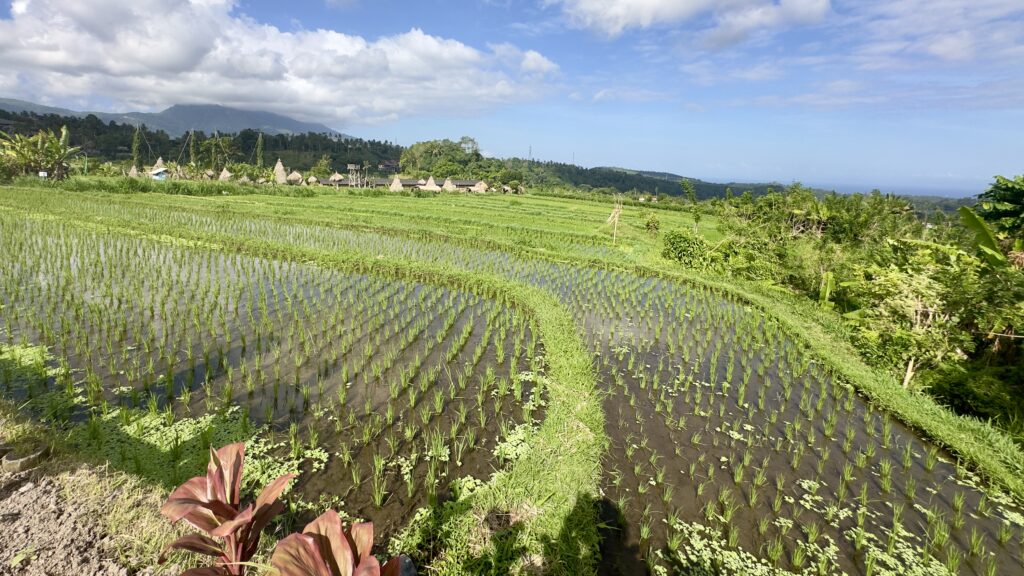
You’ll pass through villages, rice fields, lush countryside, and winding roads as you make your way toward the quieter northeast coast.
By the time you arrive, you’ll understand why this part of Bali feels so different.
And once you’re there, the diving is very close by.

A Different Side of Bali
When most people picture Bali, they might imagine surf beaches, beach clubs, rice terraces, temples, and bustling towns.
Tulamben feels different.The northeast coast is quieter and more relaxed, with small villages, black volcanic beaches, and a slower pace of life.
It’s also a great base for divers because many of the area’s dive sites are close to shore.And compared with some of Bali’s other well-known diving destinations, Tulamben generally offers easier, more relaxed diving conditions. Bali is also part of Indonesia’s much larger underwater story. Sitting within the Coral Triangle, Indonesia is home to some of the greatest marine biodiversity on the planet.
For example, Nusa Penida is famous for manta rays and can involve stronger currents and cooler water. Tulamben offers a very different experience—one that allows you to slow down and spend more time looking closely at the reef, sand, and marine life around you.
That doesn’t mean there’s nothing exciting to see. Quite the opposite.
Diving in Tulamben: More Than Muck Diving
One of the first things we noticed about diving in Tulamben was how convenient it is.
Many of the area’s most famous dive sites are accessible directly from shore or are only a short boat ride away.
That means less time traveling to dive sites and more time underwater.
Depending on the site, you may enter from the beach or across the smooth volcanic rocks along the shoreline. If you’re doing a shore entry, sturdy dive booties are definitely your friend.
And because the sites are so close together, you can experience several very different types of diving without spending your entire day traveling between them.
Black Sand Doesn’t Mean Empty
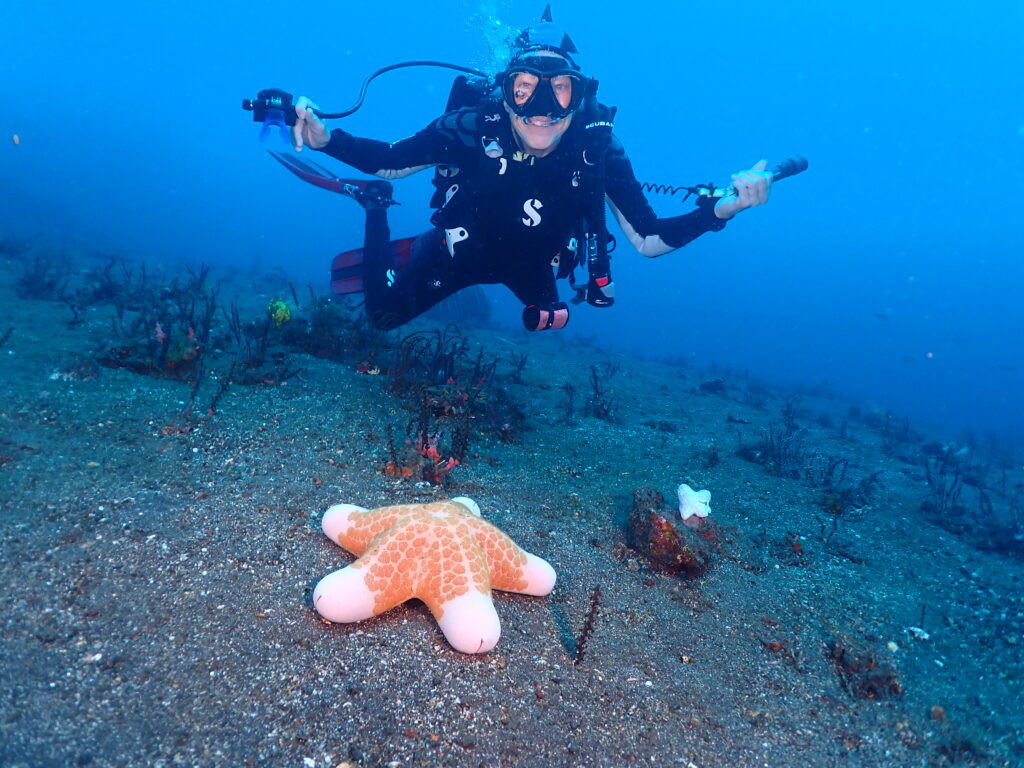
If you’ve never experienced black volcanic sand underwater, you might initially wonder what all the fuss is about.
Why Is the Sand Black?
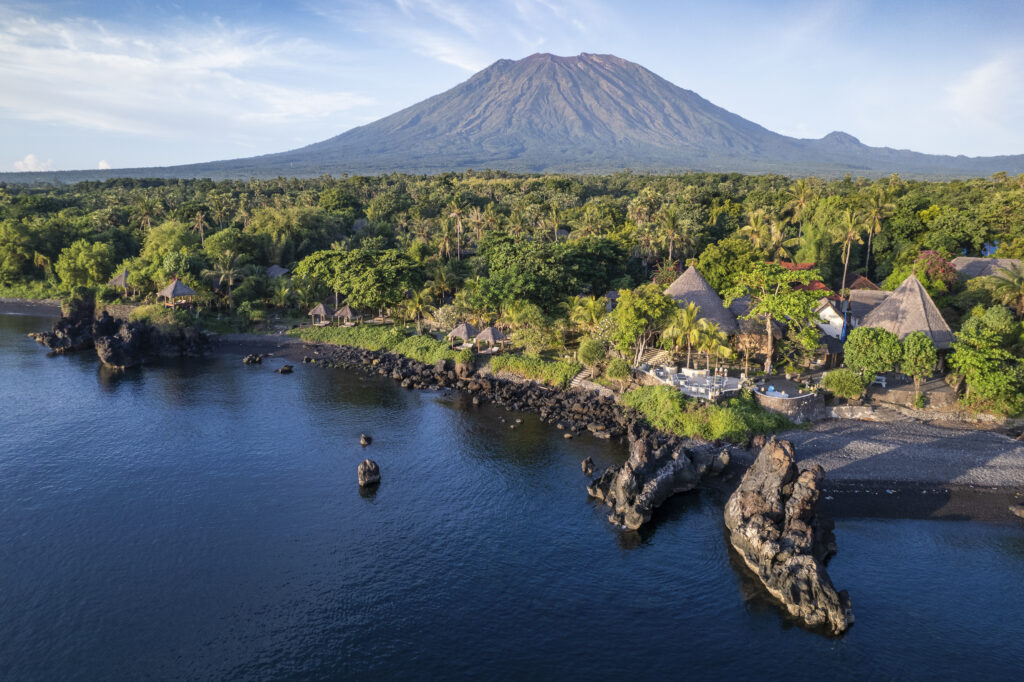
Tulamben’s distinctive black sand comes from Bali’s volcanic landscape. Nearby Mount Agung, Bali’s highest volcano, has played an important role in shaping the island’s landscape, including the coastline around Tulamben.
Over time, volcanic rock is broken down by weather, waves, and erosion, creating the dark sand you’ll find along the coast and underwater.
And Mount Agung isn’t just part of the scenery. The volcano holds deep cultural and spiritual significance in Bali, making it an important part of the landscape you’ll see as you explore the island.
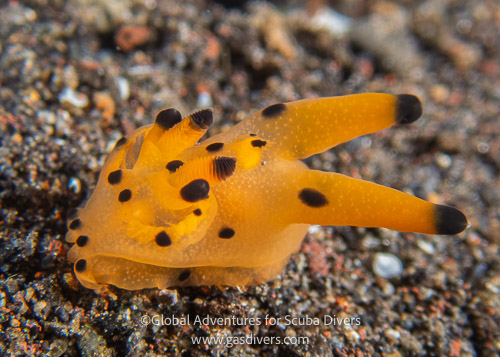
But don’t let the dark sand fool you. Black sand doesn’t mean an empty bottom. Once you slow down, the seafloor comes alive. A patch of “seaweed” might actually be a leaf scorpionfish, a shell can suddenly start walking, or a tiny pair of eyes might appear from the sand. A flash of unexpected color can catch your attention, revealing a nudibranch, shrimp, or another tiny resident hiding in plain sight.
The dark volcanic sand also creates a fantastic backdrop for colorful marine life, making these small creatures stand out in a way they might not against a traditional reef. The more carefully you look, the more you find. And that’s where Tulamben’s reputation for macro and muck diving really comes into play.
If you’re curious about why these seemingly ordinary environments can be packed with fascinating marine life, check out our guide to Muck Diving: Why the Weird Stuff Lives in the Sand.
Marine Life in Tulamben
This is one of the things we really want divers to understand about Tulamben.
You don’t have to be a macro diver to enjoy it.
The area offers a variety of dive sites, including coral reefs, reef slopes, interesting underwater landscapes, and wrecks.
And then, of course, there’s the USS Liberty.
Diving the USS Liberty Wreck in Tulamben
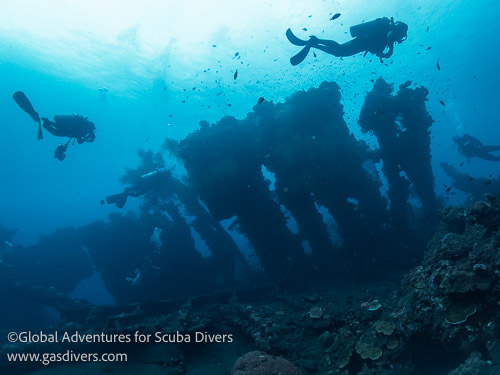
The USS Liberty is one of Bali’s most famous dive sites—and for good reason.
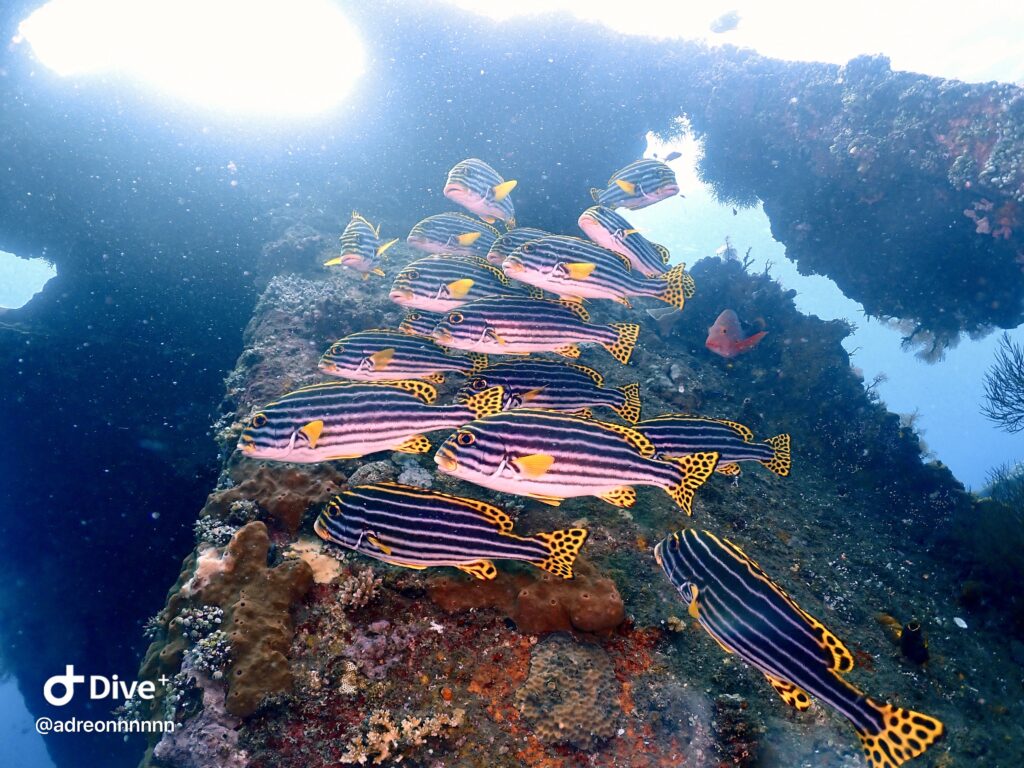
The former cargo ship rests just offshore and has become an incredible artificial reef. Coral, sponges, and marine life have transformed the wreck into a thriving underwater habitat.
And it’s big.Large enough that you can explore different sections of the wreck on multiple dives and still notice something new.
Because the Liberty is one of Bali’s most popular dive sites, an early-morning dive is worth considering if you want a quieter experience.
What Might You See?
This is where Tulamben gets really fun.
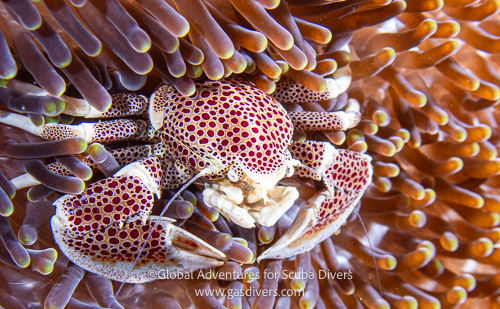
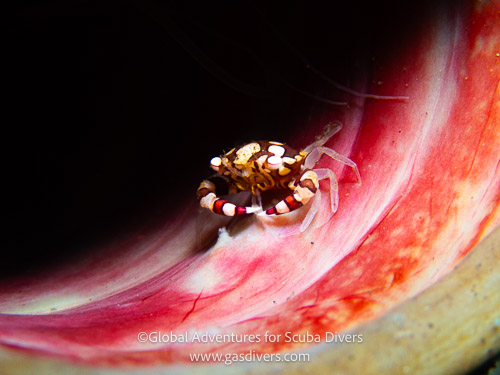
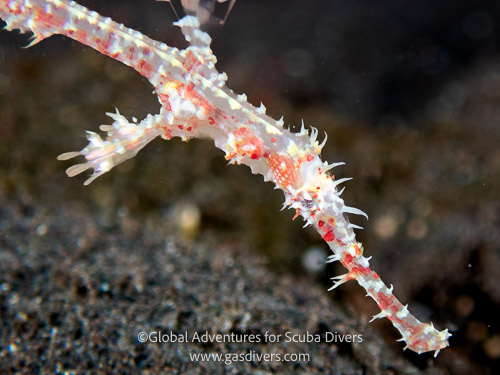
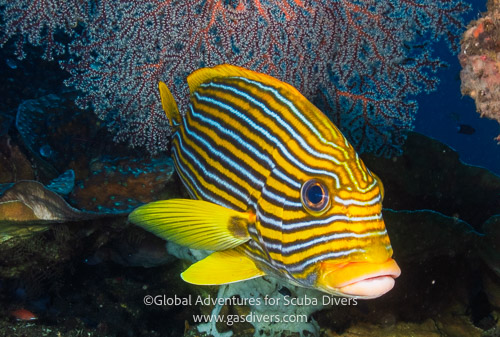
During our dives, we encountered: Wonderpus, Rhinopias, ribbon eels, sea turtles, nudibranchs, shrimp and crabs, reef fish, schools of sweetlips, white tip reef sharks, and plenty of tiny macro critters.
And that’s just the list of things we can remember.
Every dive felt a little like a treasure hunt!
You can dive the same site more than once and still find completely different things.
That’s especially true when you’re diving with guides who know the local sites and have an eye for spotting the small stuff.
Trust Your Dive Guide
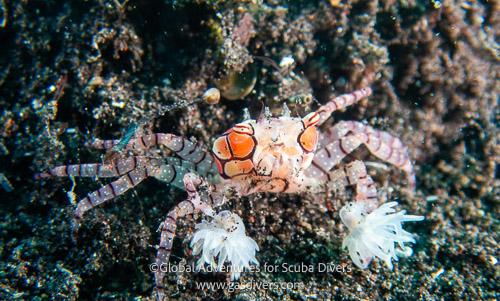
If you’re new to macro or muck diving, don’t be surprised if your guide points at something and you have absolutely no idea what you’re supposed to be looking at.
We had plenty of those moments ourselves.Our guides would point toward the sand or rubble, and we’d stare at the exact spot thinking:
“Where?!”Then suddenly we’d see it.
And once you start seeing those creatures, you begin to understand what your guides are looking for.
That’s one of the best things about diving somewhere with experienced local guides. They know where animals tend to hide, what to look for, and sometimes even where a particular creature has been hanging out.
Diving Tulamben for Underwater Photographers
Tulamben is particularly appealing to underwater photographers because you can photograph both macro and wide-angle subjects during the same trip.
The black volcanic sand creates a relatively simple background for macro photography, allowing tiny subjects to stand out.
Then you can switch to wide angle for the USS Liberty, reef scenes, turtles, and larger underwater landscapes.
For macro photographers, this is the kind of destination where a macro lens and plenty of patience can really pay off.
A magnifying glass can also be fun when you’re trying to appreciate some of the truly tiny creatures you’ll encounter.
But photography shouldn’t get in the way of the experience—or the other divers.
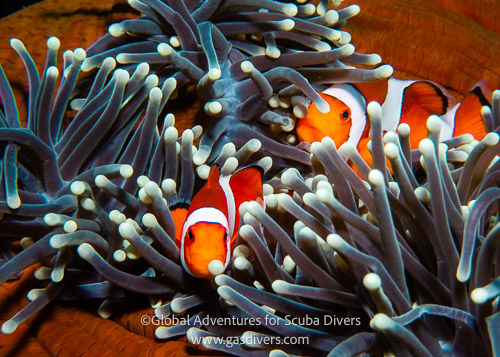
If you’re photographing a popular critter, give other divers a chance to see it before settling in for your perfect shot. And always keep your buoyancy under control so you don’t accidentally stir up the black sand around your subject. One of the things we loved most about diving in Tulamben was how much variety could be found without constantly changing locations.
A Glimpse of Bali Above the Surface
One of the things we loved about exploring Tulamben was that the experience didn’t end when we got out of the water.
The northeast coast offers a quieter glimpse of Bali, with villages, rice fields, temples, traditional offerings, and beautiful countryside.
And the offerings you’ll notice throughout Bali are particularly striking. Small daily offerings, often made from woven palm leaves and filled with flowers, are placed in homes, businesses, temples, and other spaces as part of Balinese Hindu traditions.
You don’t need to be diving to appreciate how much culture surrounds you.
That’s part of what makes Bali such an interesting destination for a dive trip.
There’s always something else to explore.
Want to see more of Bali beyond the dive sites?
From the resort and spa to cultural excursions, food, and our time exploring the area, we documented the full experience in our recent trip to Bali > Blissful Bali
A Few Things to Know Before You Go
A few simple things can make your Tulamben experience even better:
- Bring dive booties if you’ll be doing shore entries over volcanic rocks.
- Be comfortable with your buoyancy. The black sand is easily disturbed.
- Move slowly. Many of the best sightings reward patient divers.
- Tell your dive guide what you’re hoping to see. They may know exactly where to look.
- Don’t underestimate the small stuff. Some of the area’s best encounters may only be a few inches long.
- Bring a magnifying glass if you’re getting into the macro side of diving.
- Keep an open mind about muck diving. You may discover a whole new style of diving you love.
Who Will Love Diving Tulamben?
Tulamben is a particularly good fit for:
- Macro photographers
- Underwater naturalists
- Divers who enjoy searching for unusual marine life
- Wreck diving enthusiasts
- Divers who prefer relaxed conditions
- Divers who want variety without spending hours traveling between sites
- Anyone curious about trying muck diving for the first time
And perhaps most importantly, you don’t have to choose just one style of diving.You can spend one dive searching the black sand for a tiny critter and the next exploring a massive wreck.
Experience Tulamben with GAS Divers
Want to experience Tulamben for yourself? Join us next November!
Our Blissful Bali trip was designed to be more than a dive vacation. We worked with our resort partners to create a GAS Divers-exclusive experience that combines diving in the Tulamben area with spa experiences, cultural excursions, great food, and plenty of time to simply enjoy Bali.
And because we’ve already experienced it for ourselves, we know what we’re bringing our travelers into.
We’re returning to Bali in November 2027—and we’d love to have you join us.
Learn More > Blissful Bali November 2027