
If you’re a scuba diver, Indonesia is the kind of place that can completely change your idea of what underwater biodiversity looks like.
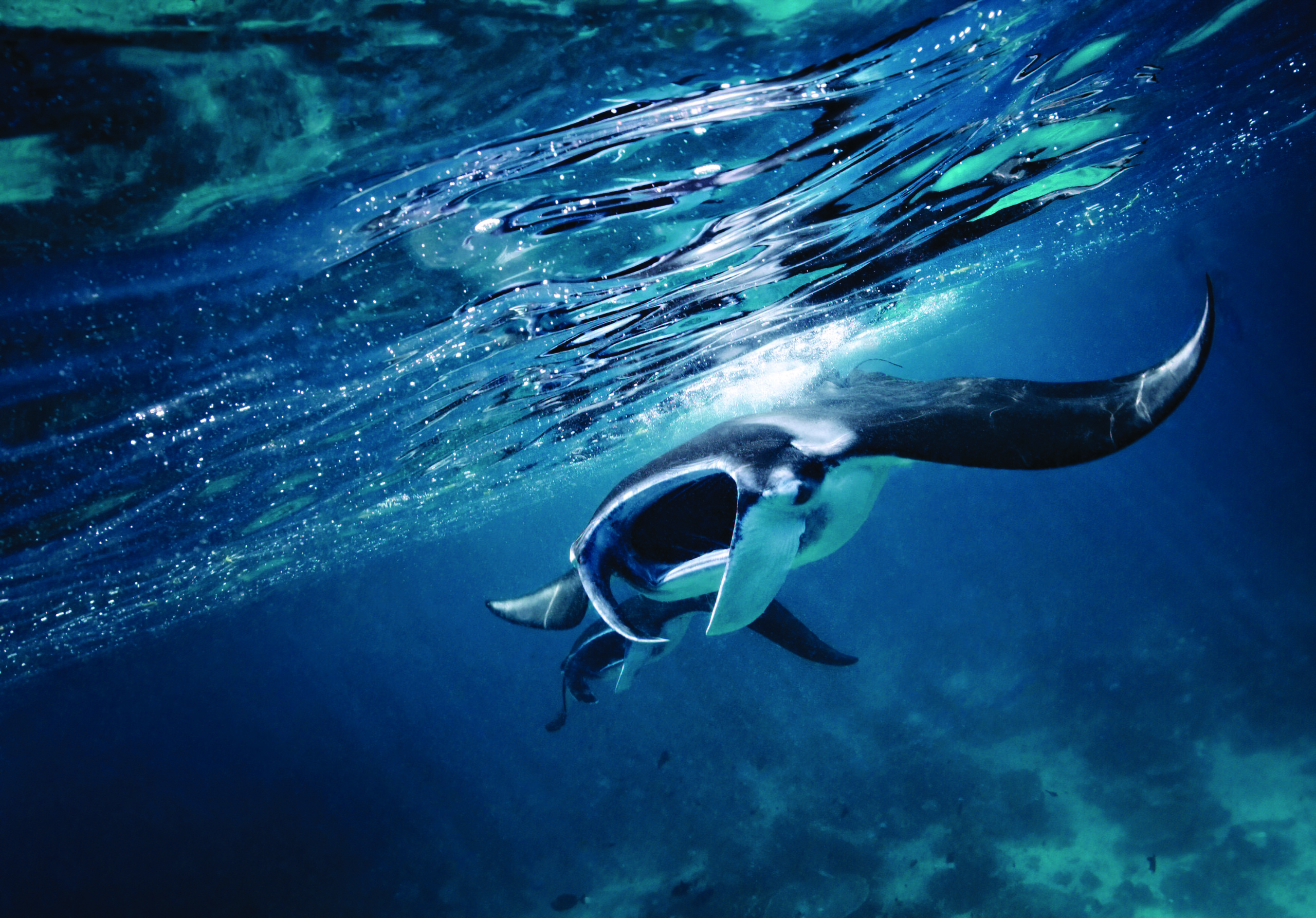
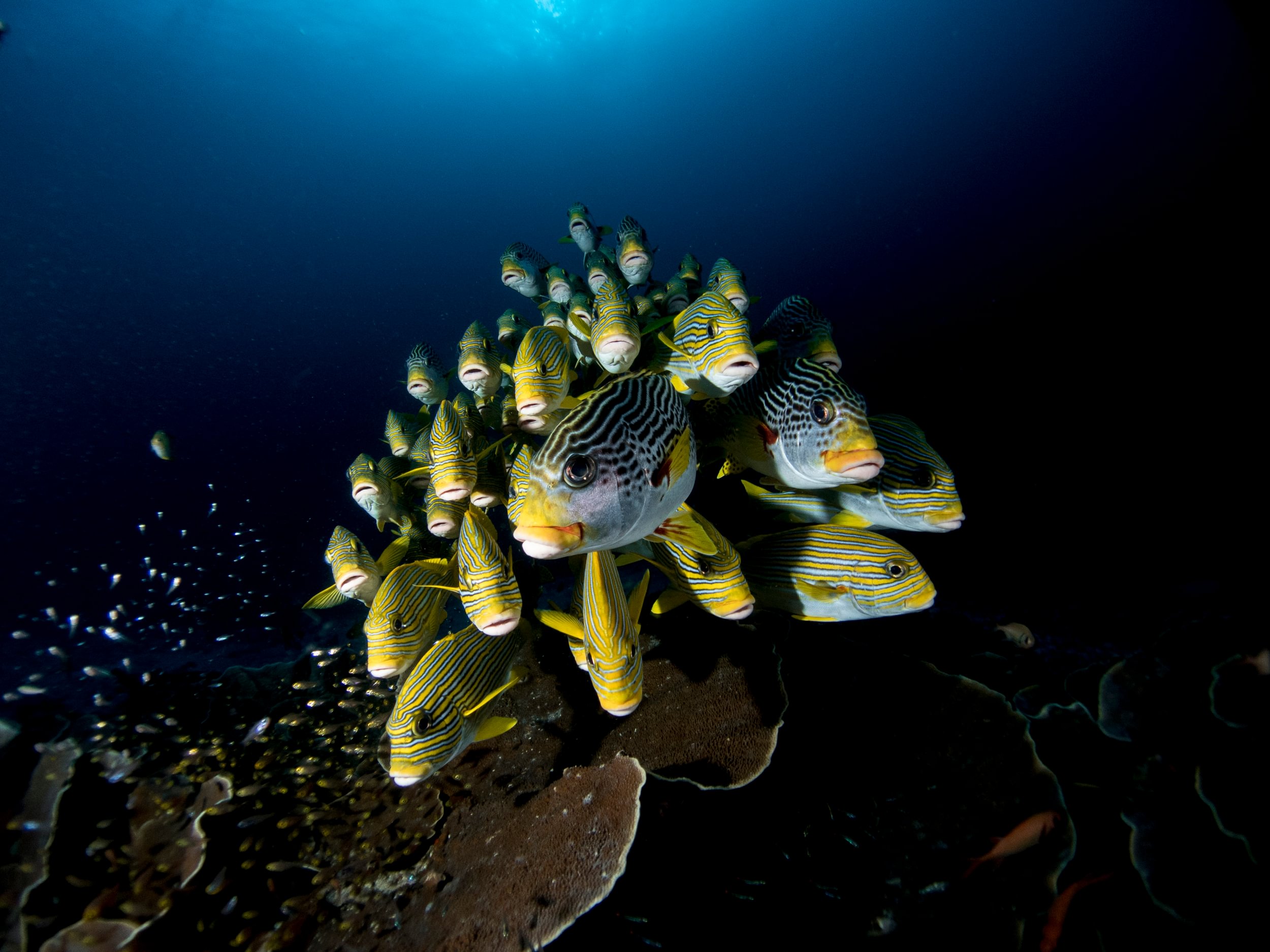
From colorful coral reefs and enormous schools of fish to manta rays, sharks, turtles and some of the strangest creatures you’ll ever find on a dive, Indonesia offers an incredible variety of underwater experiences.
And while individual destinations like Komodo, Bali and Raja Ampat get plenty of attention, there’s a bigger story behind Indonesia’s extraordinary marine life.
Much of the country sits within the Coral Triangle, one of the most biologically diverse marine regions on Earth.
For divers, that means one thing:
There is a lot to explore.
What Is the Coral Triangle?
The Coral Triangle is a marine region spanning parts of Indonesia, Malaysia, Papua New Guinea, the Philippines, the Solomon Islands and Timor-Leste.
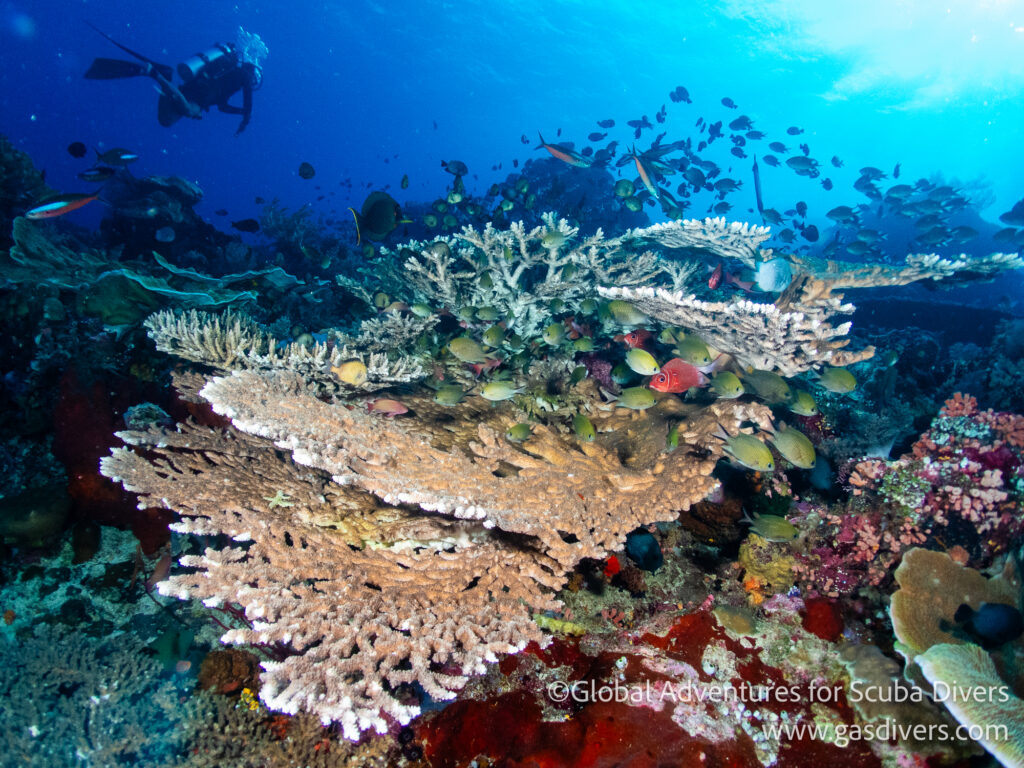
It contains an extraordinary concentration of coral and marine species, making it one of the most important areas for marine biodiversity on the planet.
Indonesia occupies a huge portion of this region.
And that’s one reason diving in Indonesia offers such an incredible range of experiences.
You can travel from one part of the country to another and encounter completely different underwater environments—while still being surrounded by remarkable biodiversity.
Why Is Indonesia’s Marine Life So Diverse?
There’s no single reason.
Indonesia’s geography is a huge part of the answer.
The country sits between the Pacific and Indian Oceans and is part of the Pacific Ring of Fire, where tectonic activity has helped shape a landscape of thousands of islands, volcanic mountains, deep channels and dramatic coastlines.
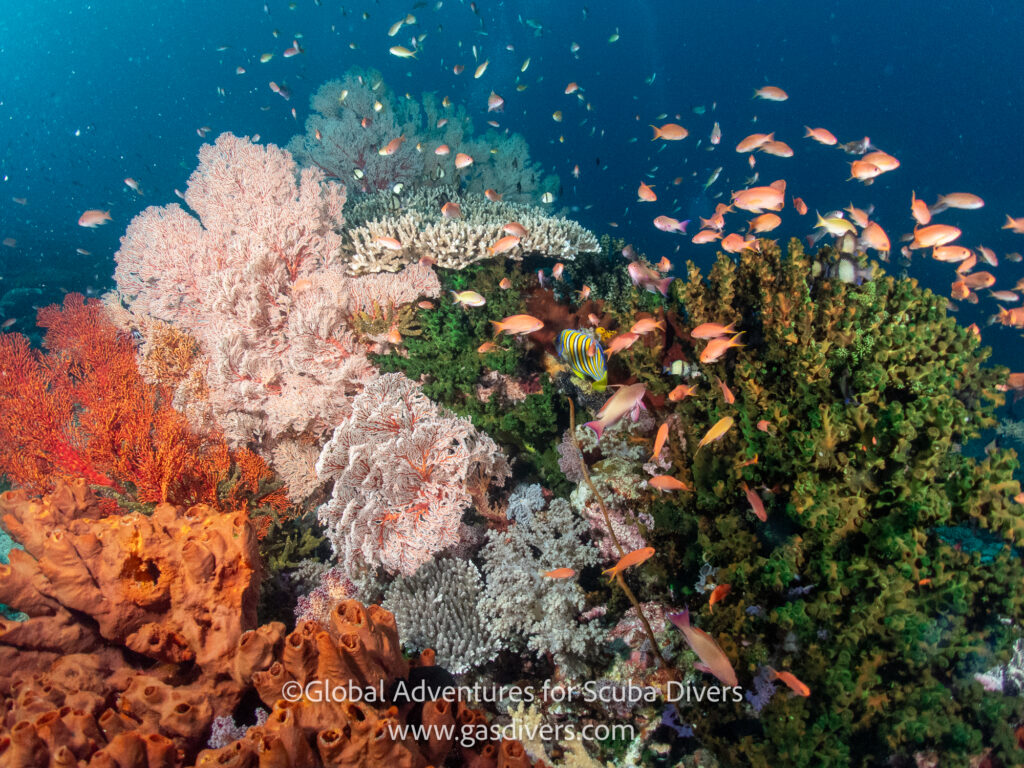
That geography creates an incredible variety of marine habitats—from shallow coral reefs and protected bays to steep walls, volcanic slopes, deep channels and nutrient-rich waters.
Then add the Coral Triangle, warm tropical waters, complex tidal systems and the Indonesian Throughflow, which moves enormous amounts of water between the Pacific and Indian Oceans.
The result?
An extraordinary variety of marine environments—and an extraordinary variety of marine life.
It’s one reason you can go from the current-swept reefs of Komodo to the black-sand muck of Bali or Lembeh, then travel to the pristine reefs of Raja Ampat and feel like you’ve entered a completely different underwater world.
Indonesia Is Incredible—But Conditions Matter
There’s another side to all that geographic and oceanographic diversity:
Conditions can be challenging.
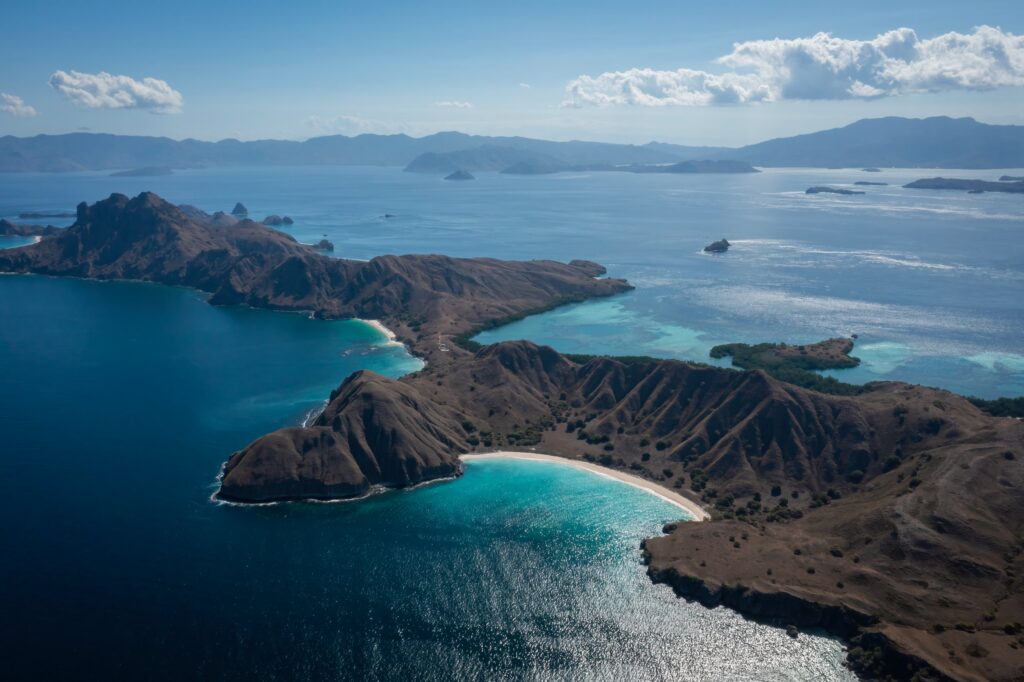
Currents, tides, visibility, water temperature and weather can all vary significantly from one destination to another.
And while Indonesia can be dived year-round, there isn’t one perfect season for the entire country.
Some destinations have distinct periods when conditions are at their best, while others have a more pronounced off-season, when weather or sea conditions can make diving more difficult or limit access to certain sites.
That’s something we think is important to understand when planning an Indonesian dive trip.
The “best time to visit Indonesia” really depends on where you’re going and what you want to experience.
That’s also one reason we don’t try to create one generic Indonesia itinerary and repeat it everywhere.
We look at the destination, the season, the diving and the experience we want our travelers to have—and build the trip around that.
For liveaboards, this can also be a major advantage. A good crew can monitor weather and conditions and adjust an itinerary when necessary, rather than treating a planned route as something that can’t change.
And sometimes, the best dive trip isn’t about having perfect conditions every day.
It’s about having an experienced operator who knows what to do when conditions aren’t perfect.
One Country, Completely Different Diving Experiences
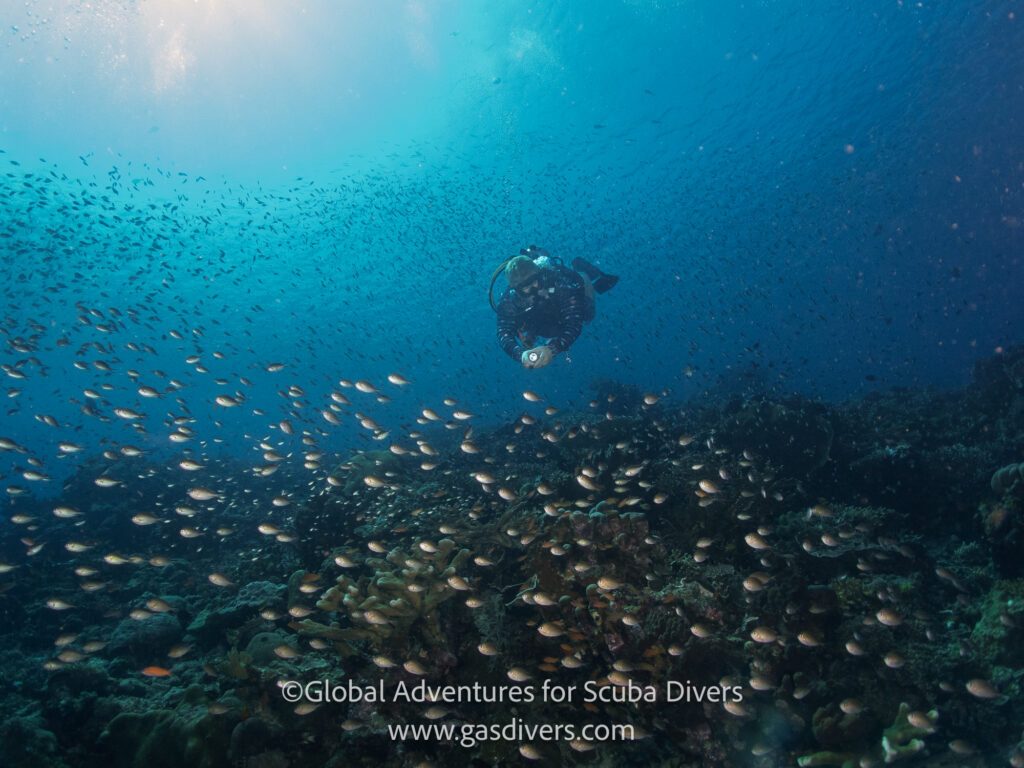
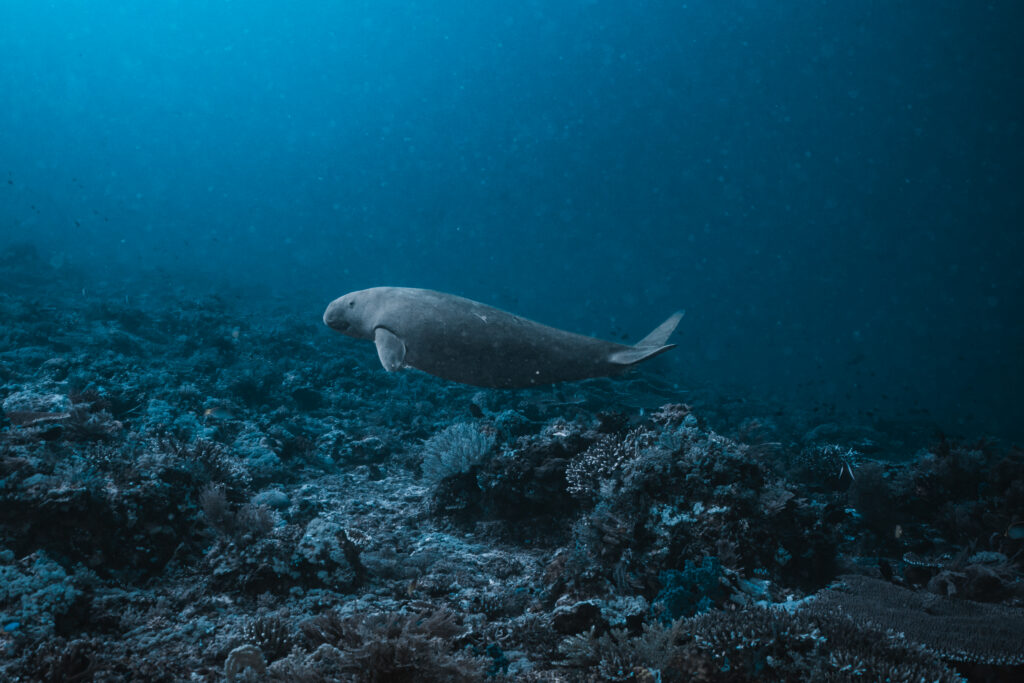
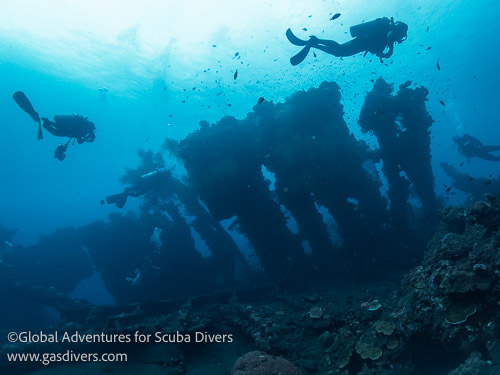
One of the things we love most about scuba diving in Indonesia is that there isn’t one “Indonesian diving experience.”
Depending on where you go, you can have completely different experiences.
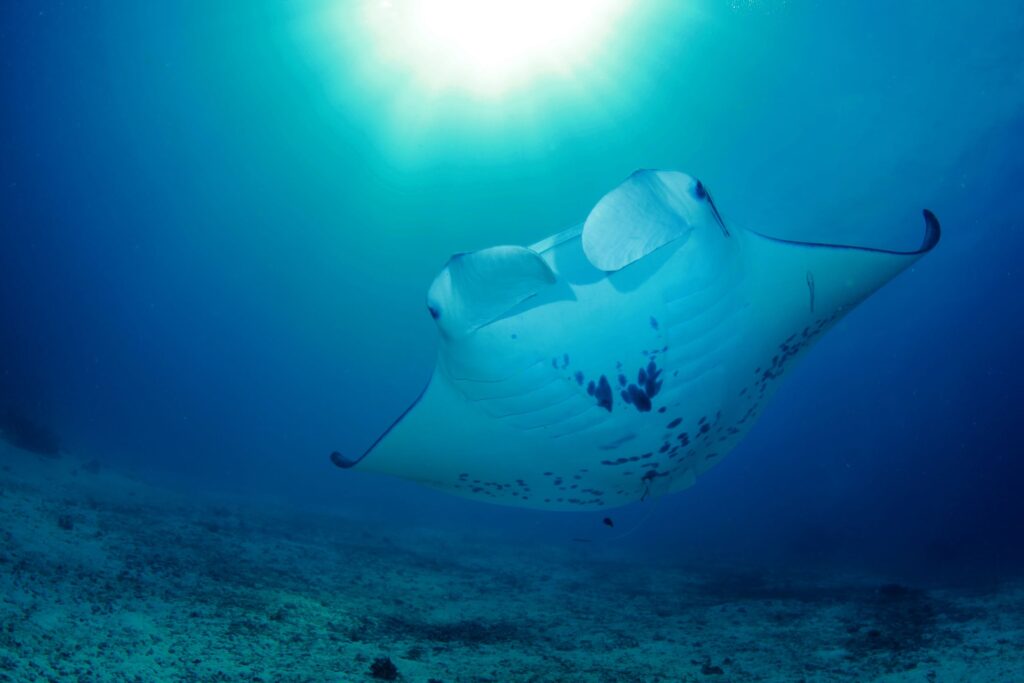
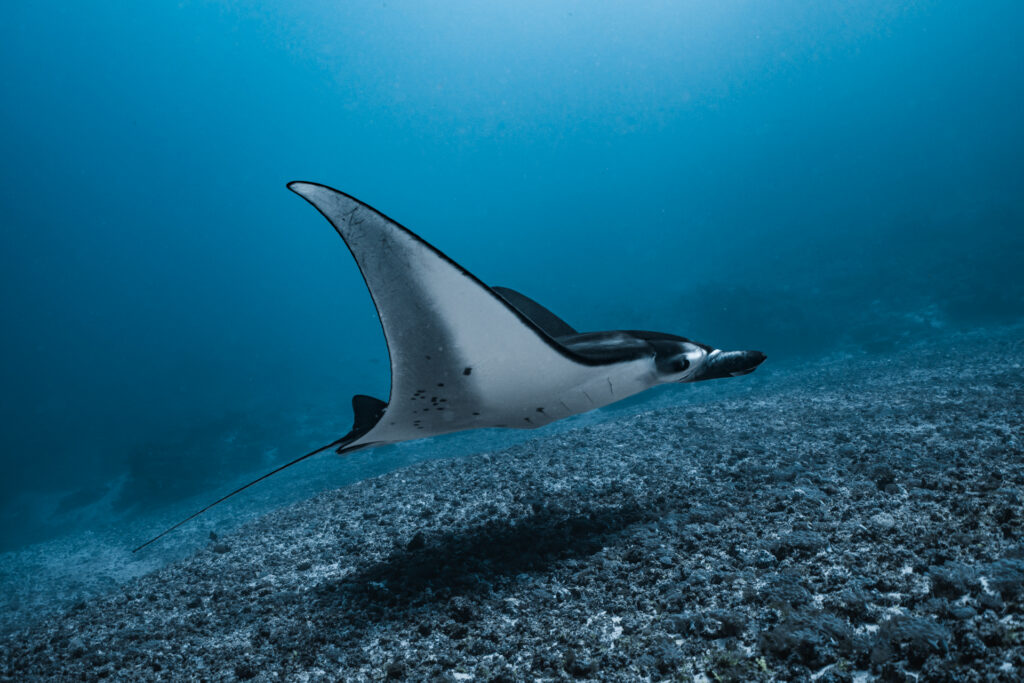
You might spend one trip watching manta rays glide over a reef in Komodo.
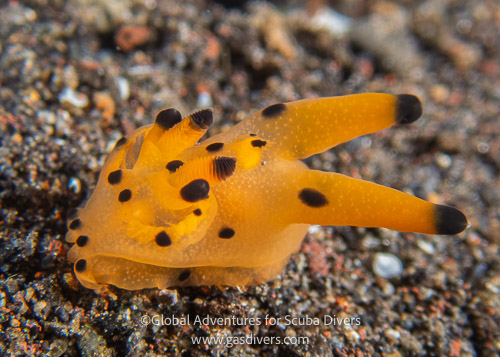
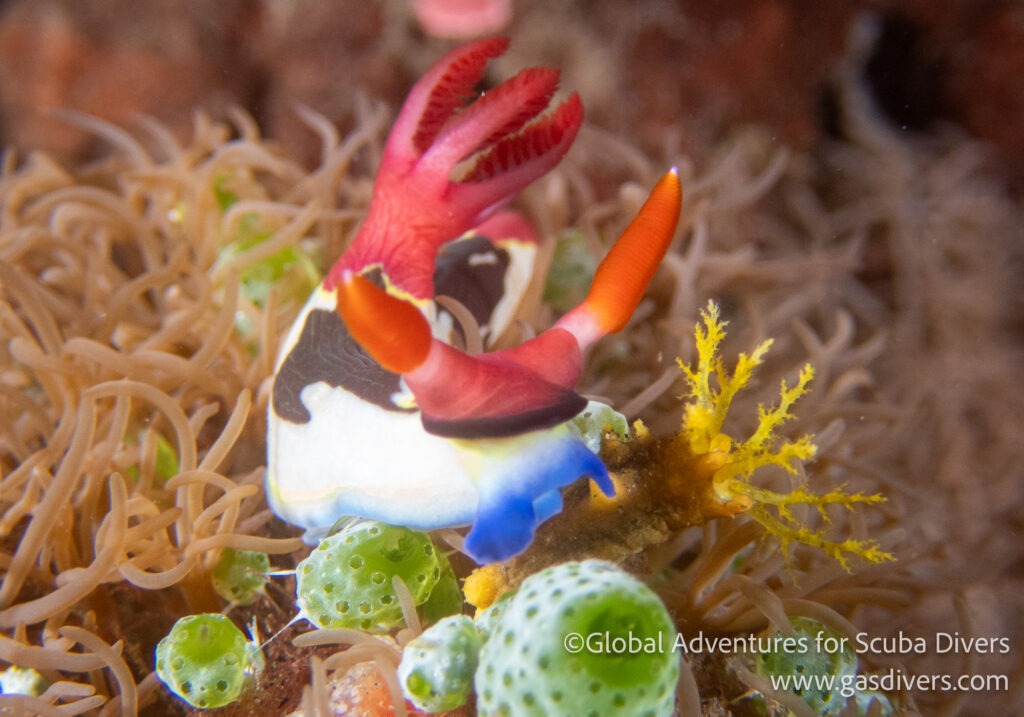
Another might have you searching black sand for a tiny nudibranch in Bali or Lembeh. Somewhere else, you might spend a week exploring pristine coral reefs in Raja Ampat. Or you might travel to a remote part of Borneo where very few divers ever get the opportunity to visit.
That’s what makes Indonesia such an incredible destination for repeat visitors.
You don’t have to do the same trip twice.

Indonesia Is More Than a Diving Destination
As much as we love diving in Indonesia, you don’t have to be a diver to fall in love with the country.
Indonesia offers incredible landscapes, food, history, traditions and culture above the water, too. And for us, that’s an important part of what makes an Indonesian trip special.
Our Blissful Bali trip is a great example.
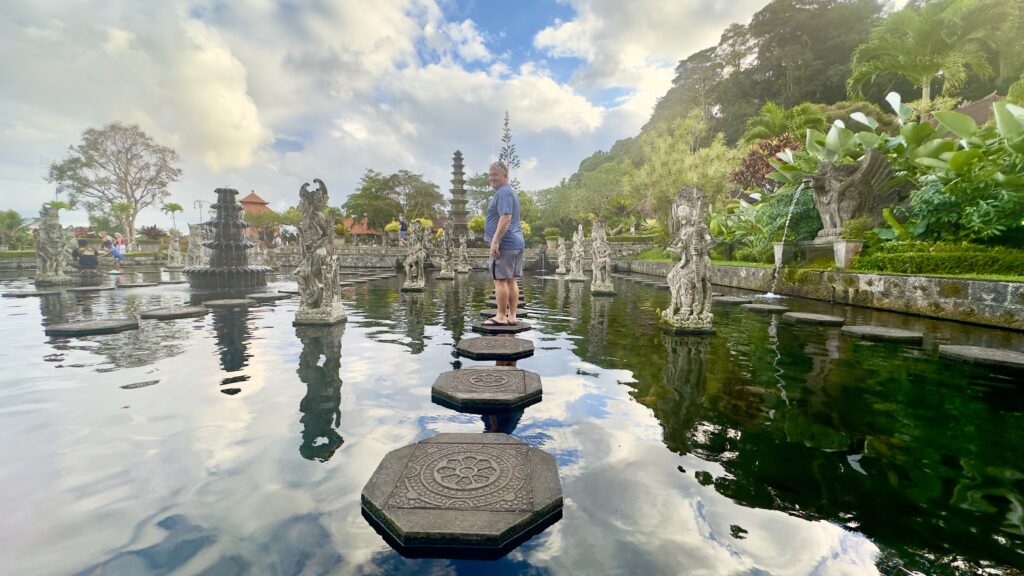
While diving is a big part of the experience, the trip is designed to be enjoyed by divers and non-divers alike. Between dives, there’s plenty of opportunity to experience Bali beyond the resort—from visiting temples and cultural sites to enjoying traditional Indonesian food, exploring the landscape and simply slowing down and taking in the surroundings.
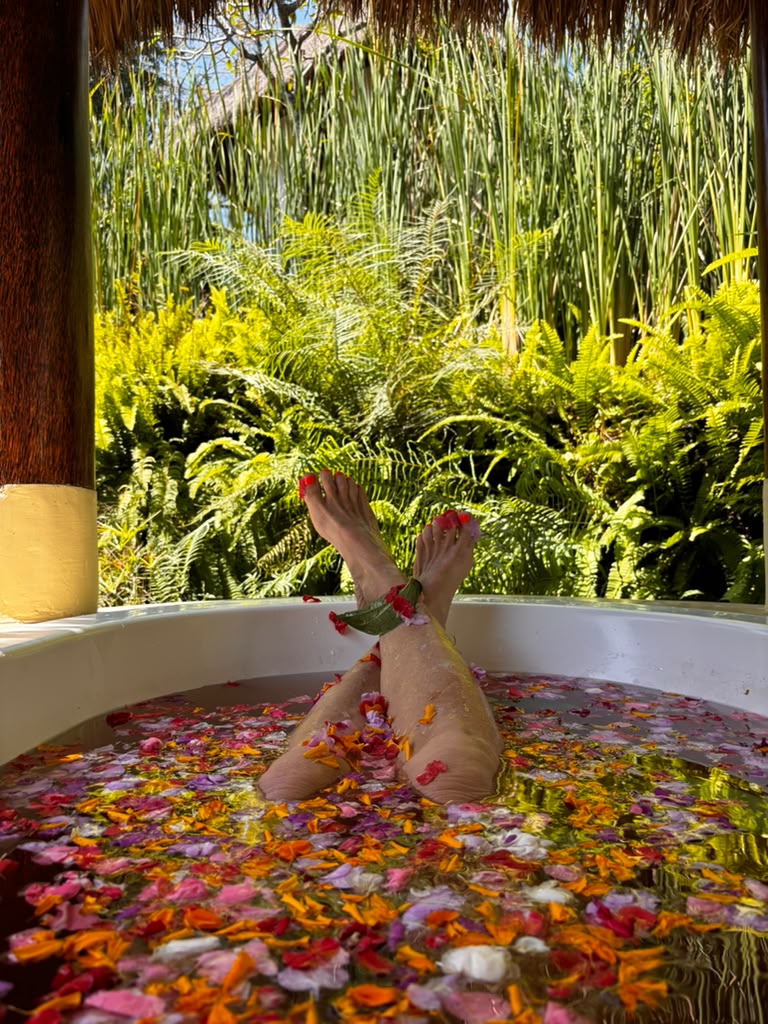
Our Bali experience also includes time to enjoy the resort, spa treatments and local experiences, giving everyone something to look forward to whether they’re spending their days underwater or above it.
And honestly, that’s one of our favorite things about traveling here.
The divers get incredible diving. The non-divers don’t feel like they’re just waiting for everyone to come back from a dive.
Everyone gets to have an adventure.
So Many Ways to Experience Indonesia
Indonesia gives travelers a lot of flexibility.
You can explore the country through a land-based adventure, spend a week or more aboard a liveaboard, or combine diving with cultural experiences above the water.
We intentionally do a mix of both.
Some destinations are best experienced from land, while others are so remote that a liveaboard is the only practical way to reach the diving.
The Advantages of Land-Based Diving
Land-based trips give you a chance to settle into a destination.
You can explore local communities and culture, enjoy resort amenities, take day trips and have more time to experience life above the water.
Our Blissful Bali trip is a perfect example. Diving is a big part of the experience, but it’s not the entire experience. Travelers can visit temples and cultural sites, enjoy Indonesian food, explore the island, relax at the resort and enjoy spa treatments.
Want to see what the experience is really like? Read our Blissful Bali trip review and preview of our 2027 adventure.
We’re also looking toward North Sulawesi, including the Bunaken and Bangka areas, for future land-based adventures.
Liveaboards offer something different:
Liveaboards offer something very different:
Access.
Indonesia’s geography means some of the most remote diving is difficult—or sometimes impossible—to reach as a day trip from land.
A liveaboard lets you move between islands and spend multiple days exploring areas that see relatively few divers.
Our upcoming Raja Ampat, Halmahera & Lembeh expedition is a great example.
Rather than focusing on one destination, the itinerary connects three very different Indonesian diving environments into one liveaboard adventure.
And Borneo is another example. Some of the areas we’re most interested in exploring there are only accessible by liveaboard, and very few operators travel there.
That’s the kind of remoteness that gets us excited.
So when we plan an Indonesia trip, we don’t start by asking:
“Should this be a liveaboard or land-based trip?”
We start with: “What’s the best way to experience this particular destination?”
Sometimes, the answer is a liveaboard. Sometimes, it’s a resort.
What Does That Diversity Look Like Underwater?
This is where Indonesia gets really exciting.
The country’s incredible geography doesn’t just create different travel experiences.
It creates completely different underwater environments.
Here are just a few examples.
Komodo: Currents, Mantas & Incredible Reefs
Our recent trip to Komodo National Park was a perfect example.
Komodo is famous for its currents—and while those currents can make the diving challenging, they’re also part of what makes the ecosystem so productive.
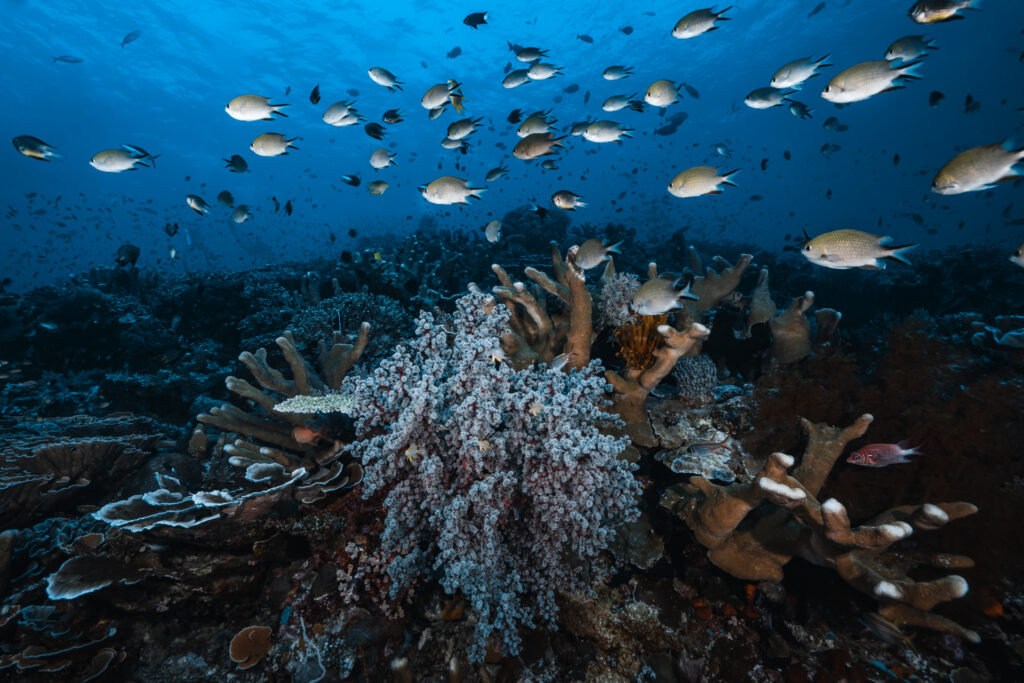
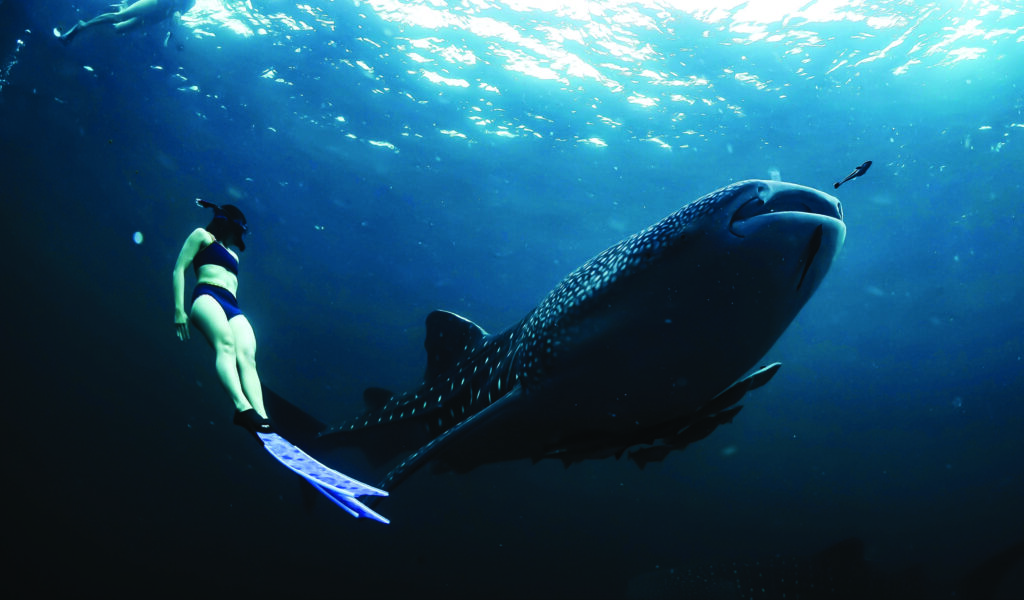
We experienced incredibly healthy coral reefs, huge schools of fish, manta rays, turtles, eagle rays, sharks and dolphins.
And then there was the macro.
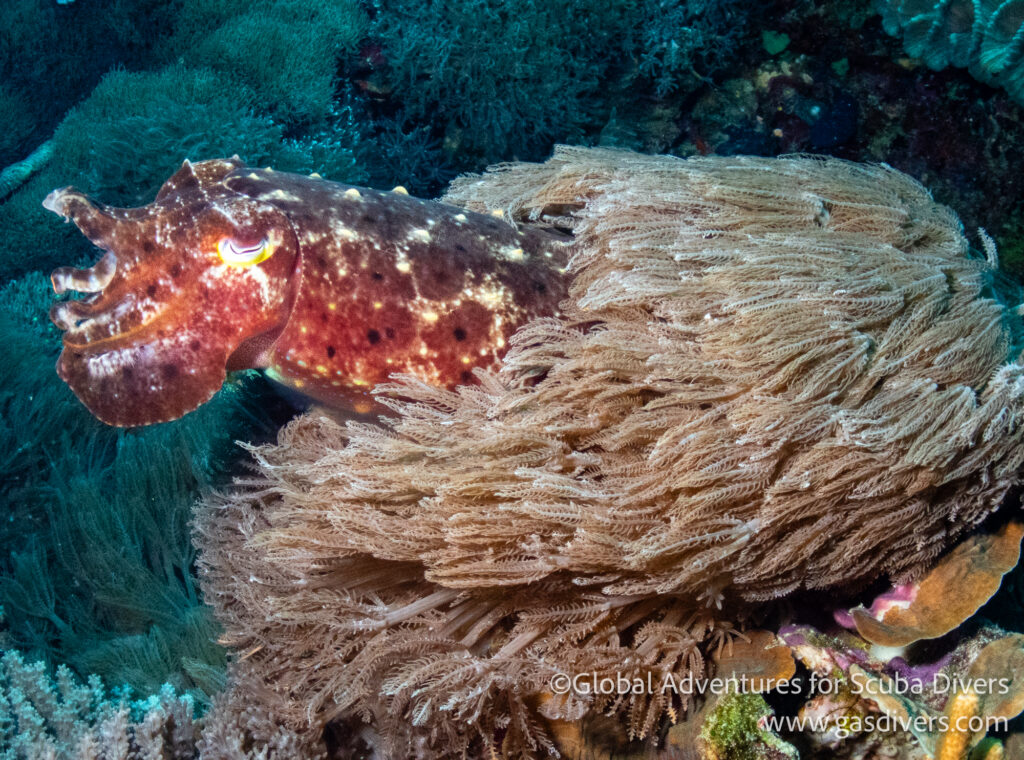
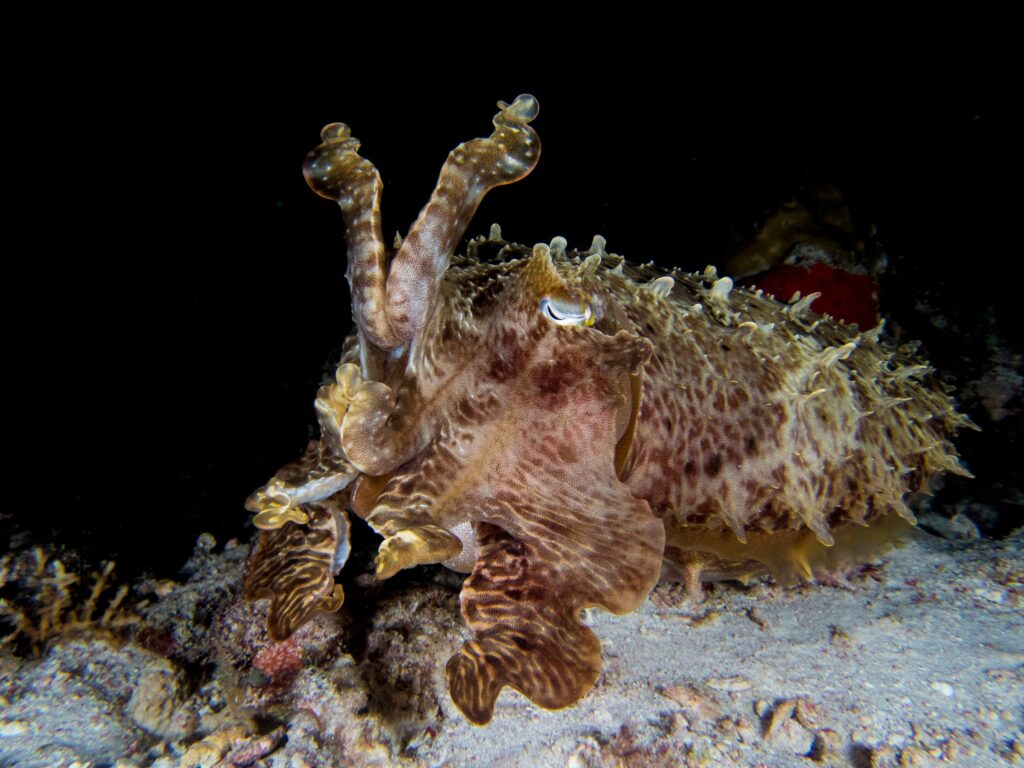
Cuttlefish, crocodilefish, nudibranchs, frogfish, octopus and even a baby bamboo shark turned up during our dives.
We were also incredibly lucky with the mantas, including fascinating feeding and courtship behavior.
We recently spent 10 days exploring Komodo by liveaboard, and you can [read our Komodo trip review] to see what the experience was actually like, from the diving and marine life to the boat, crew and land-based adventures.
Thinking about diving Komodo yourself? Our ultimate guide to diving Komodo National Park covers the diving, conditions, seasons, experience level, gear and what you should know before you go.
Tulamben, Bali: Muck Diving, Reefs & Macro Magic
Bali offers another completely different side of Indonesian diving.
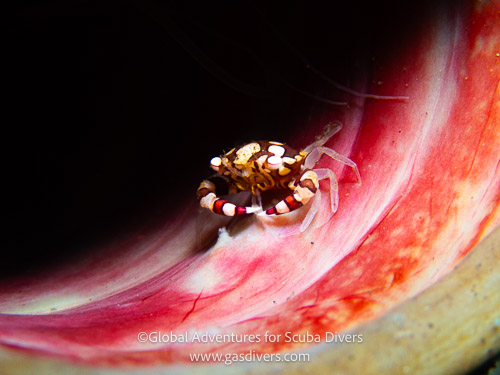
Around Tulamben, the black volcanic sand creates ideal habitat for muck diving and macro photography.
Instead of looking out into the blue for large pelagic animals, you might spend an entire dive searching the bottom for creatures hiding in plain sight.
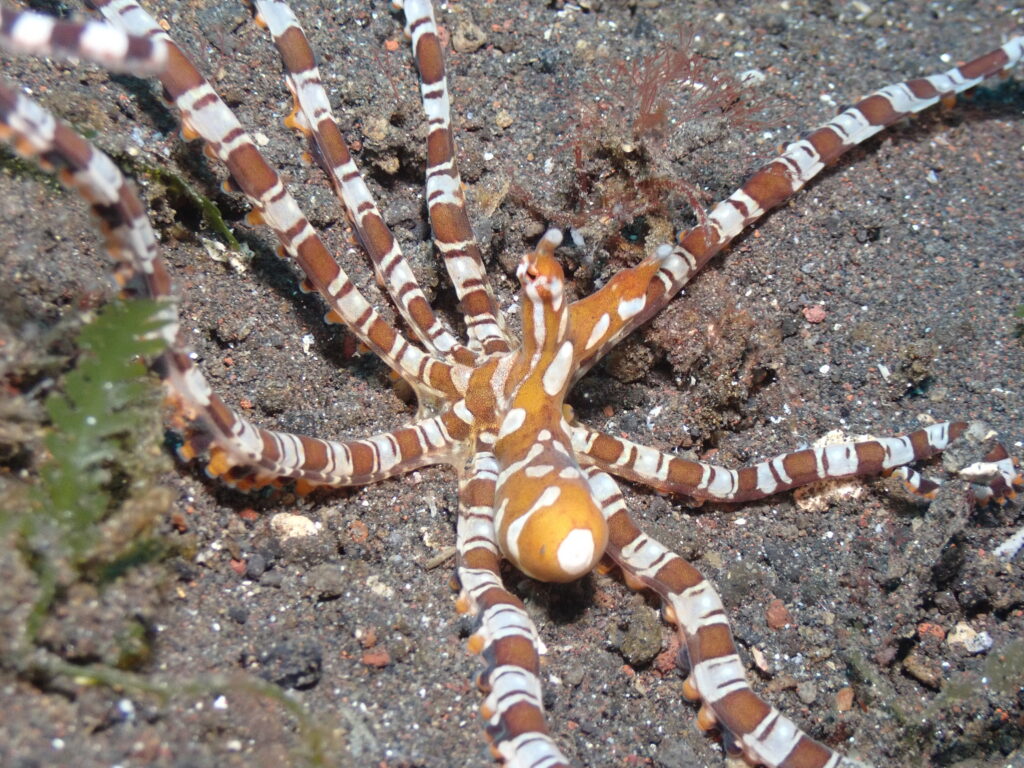
Mimic octopus. Wonderpus. Frogfish.Nudibranchs. Bobtail squid. Shrimp. Cuttlefish.
And creatures you probably didn’t even know existed until your dive guide pointed them out.
But Bali isn’t just about muck diving.
You can also explore reefs, walls and wrecks, making the area surprisingly diverse for such a compact destination.
Slow down, look closely and you’ll find an entirely different world.
If you’re curious about what diving in this area is actually like, our guide to diving in Tulamben breaks down the sites, conditions and what divers can expect.
Raja Ampat, Halmahera & Lembeh: Three Destinations, One Adventure
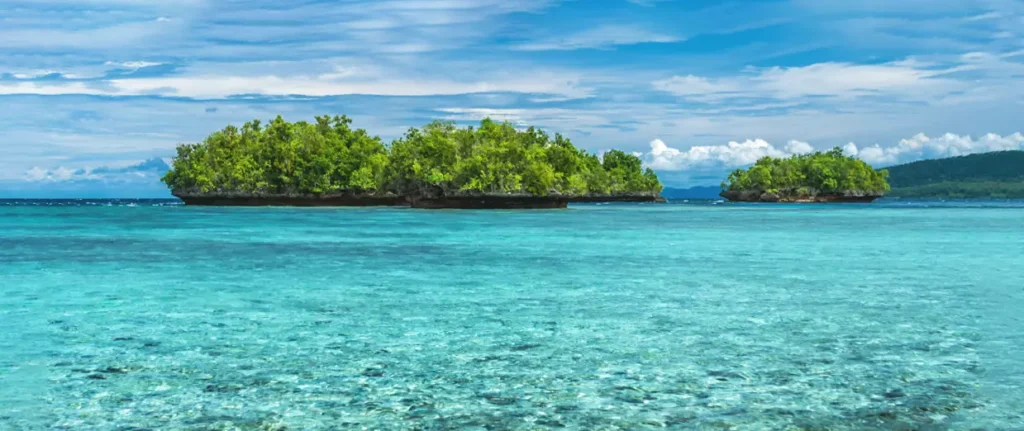
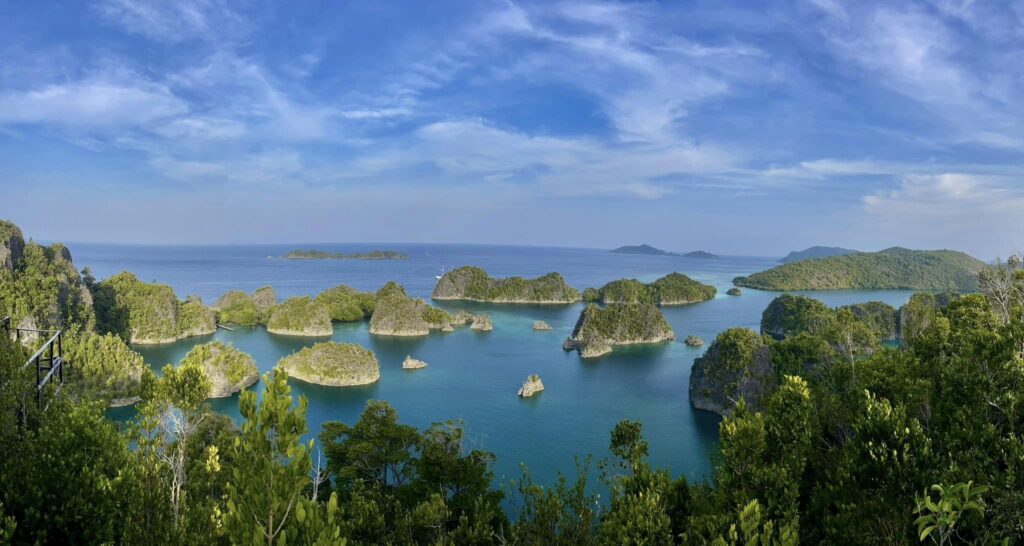
Raja Ampat is famous for its extraordinary reef biodiversity, but our upcoming Indonesian adventure goes beyond Raja Ampat alone.
We’re combining Raja Ampat, Halmahera and Lembeh into one liveaboard journey, connecting three very different underwater environments.
Raja Ampat brings incredible coral reefs and marine biodiversity. Halmahera offers remote diving and the chance to explore areas that see far fewer divers. And Lembeh takes us into the strange and fascinating world of muck diving and macro life.
Individually, each destination would be worth a trip. Together, they create an opportunity to experience three very different sides of Indonesia on one adventure.
And that’s exactly what we love about exploring Indonesia: you don’t always have to choose just one type of diving.
One country. Three very different underwater worlds. One liveaboard adventure.
Take a look at our Raja Ampat, Halmahera & Lembeh trip
Lembeh: The Weird and Wonderful Side of Indonesia
Then there’s Lembeh.
If you love the strange stuff, Lembeh is a completely different kind of paradise.
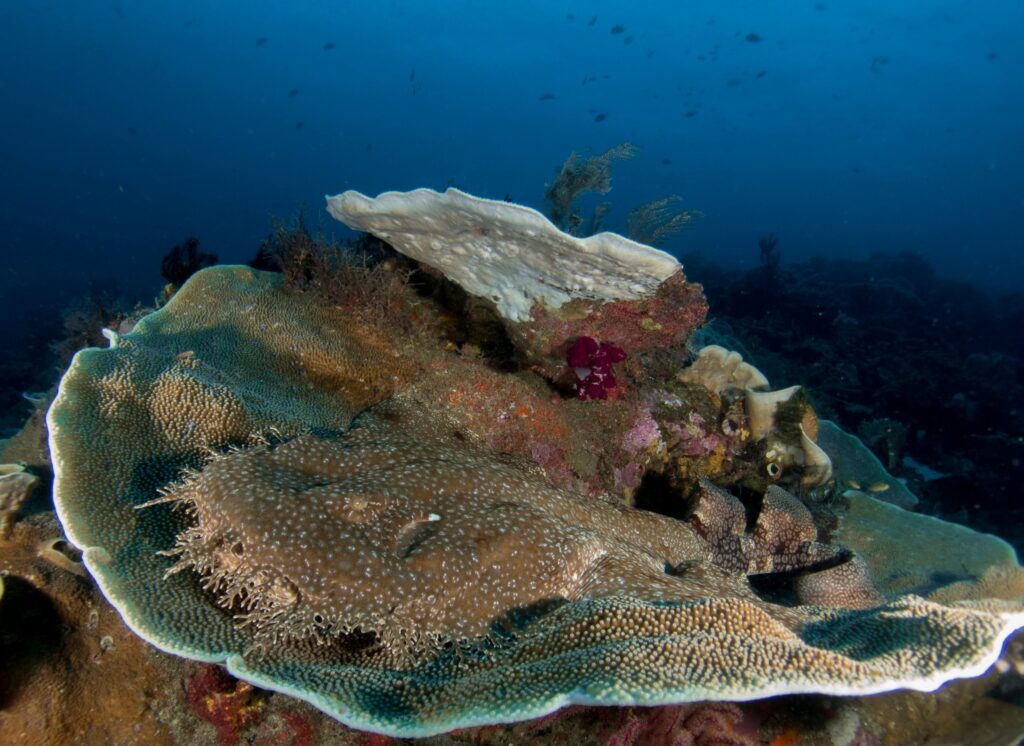
The Lembeh Strait is famous for muck diving, where black volcanic sand provides habitat for some of the most unusual creatures in the ocean.
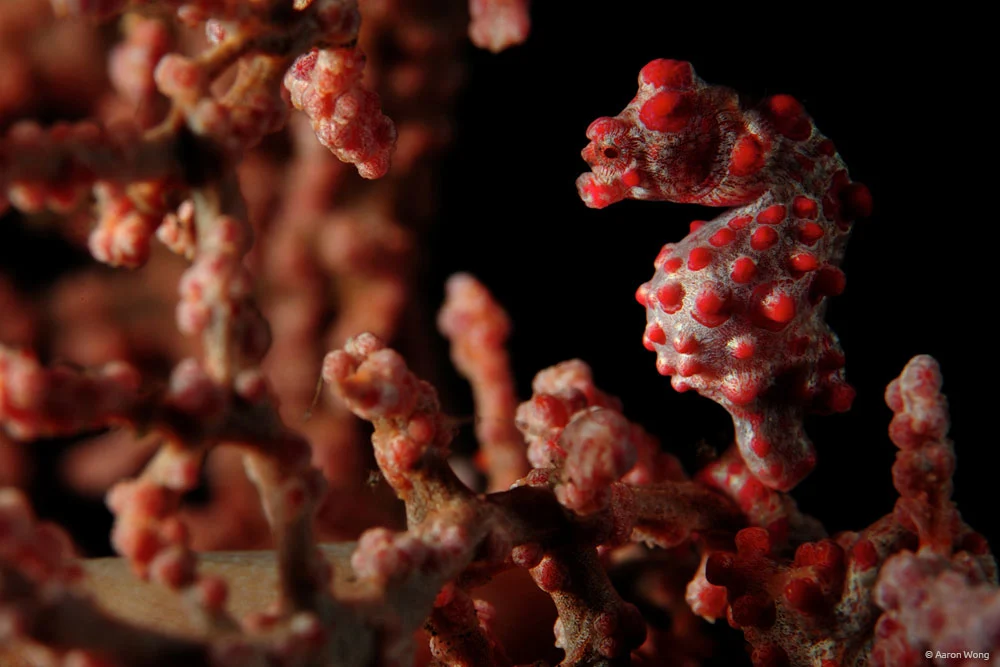
Think: Frogfish, Mimic octopus, Rhinopias, Wonderpus, Nudibranchs, Bobtail squid, Coconut octopus, Shrimp, Cuttlefish
It’s the kind of diving where you can spend an entire dive looking at a patch of sand and still come away with a dozen incredible photographs.
If searching for strange and tiny creatures is your idea of a perfect dive, our guide to muck diving goes deeper into what makes these habitats so special—and why some of the ocean’s weirdest animals call them home.
Borneo: Remote Diving Worth the Journey
Borneo represents another side of Indonesian diving that we’re especially excited about: remoteness.
Some of the areas we’re exploring are difficult to reach from land and are visited by very few dive operators. That’s where a liveaboard really makes a difference, allowing us to travel farther, spend more time in the water and reach reefs that aren’t accessible as typical day trips.
For us, that’s part of the appeal. We’re not just looking for famous dive sites—we’re looking for places that feel wild, remote and a little harder to reach.
Our upcoming Borneo adventure is designed around exactly that kind of experience.
Curious where we’re headed? Explore our Borneo trips
And We’re Not Done Exploring Indonesia
One of the reasons we keep coming back to Indonesia is that there is always another region to discover.
We’re already looking ahead to future adventures in North Sulawesi, including the Bunaken and Bangka areas.
North Sulawesi is particularly intriguing because of the variety found across the region—from the dramatic walls and reefs of Bunaken to the unusual marine life around Bangka and the legendary muck diving of Lembeh.
We’re keeping an eye on the region as we plan future GAS Divers land-based adventures.
Diving in the Coral Triangle Comes With a Responsibility
The incredible biodiversity of the Coral Triangle is also a reminder that these ecosystems aren’t guaranteed to stay this way.
Healthy coral reefs depend on healthy oceans and responsible tourism.
As divers, we have a role to play.
That means:
- Don’t touch coral or marine life
- Maintain good buoyancy
- Don’t chase or harass animals
- Avoid damaging reefs with equipment
- Follow local diving guidelines
- Choose operators that prioritize environmental responsibility
- Support conservation efforts
- Leave the underwater environment better protected for the next generation of divers
The privilege of seeing these places comes with a responsibility to protect them.
During our recent Komodo trip, we also had the opportunity to learn more about manta research and conservation through our connection with the Manta Trust.
Experiences like this are a reminder that diving can be more than simply observing marine life—we can also support the work being done to understand and protect it.
Keep Exploring Indonesia With GAS Divers
We’ve already explored Bali and Komodo, and our Indonesian adventures are continuing to grow.
Our upcoming and future adventures include:
- Bali in November 2027
- Raja Ampat, Halmahera & Lembeh Liveaboard
- Borneo & West Sulawesi Liveaboard
- Bunaken / North Sulawesi in 2028 / 2029
- And more destinations we’re continuing to explore!
We’re intentionally building our Indonesia trips around different marine environments and experiences, rather than returning to the same destination year after year.
Because that’s the beauty of Indonesia: There’s always somewhere else to dive.
Ready to Explore Indonesia?
If you’re looking for your next Indonesian adventure, check out our upcoming trips or reach out to us. We love helping divers figure out which destination best matches the kind of diving they love.
Raja Ampat Liveaboard Expedition
November 10-22, 2027
DIve INto raja

Best of Borneo
August 10 -18, 2028
Explore Borneo